


 English
 한국어
한국어 Español

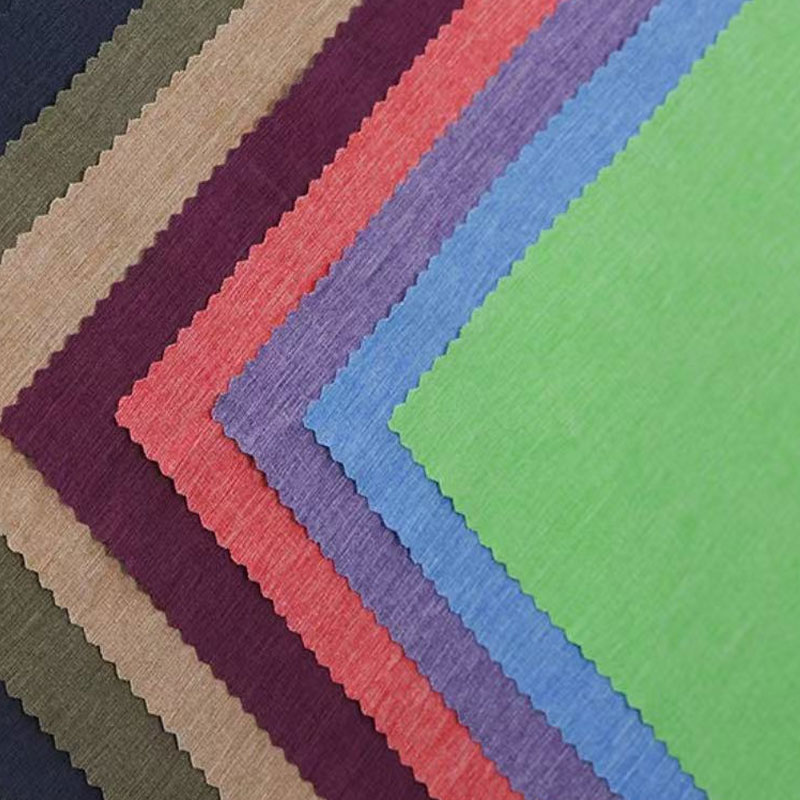
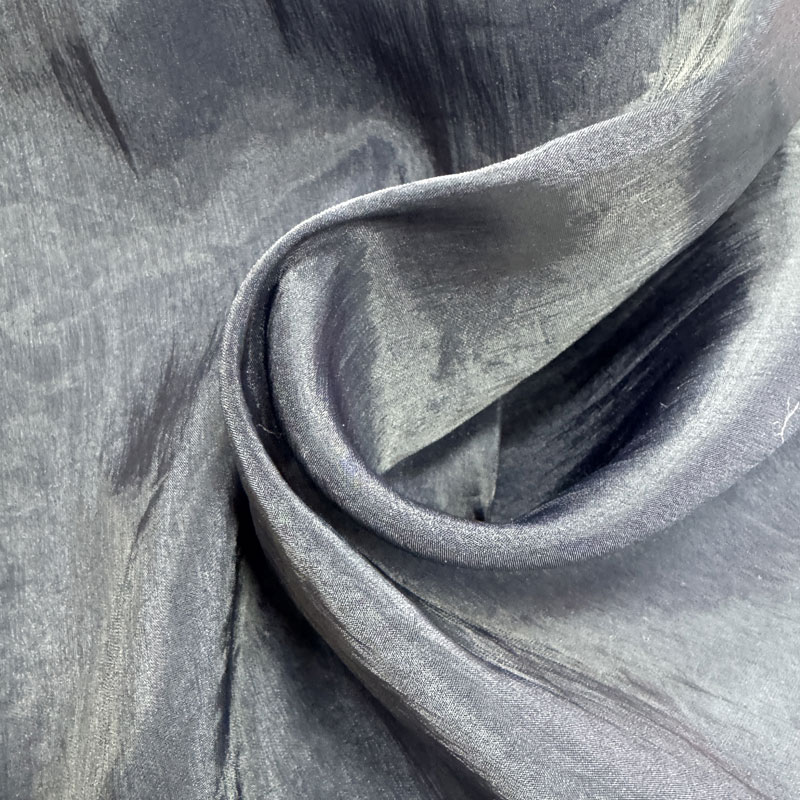
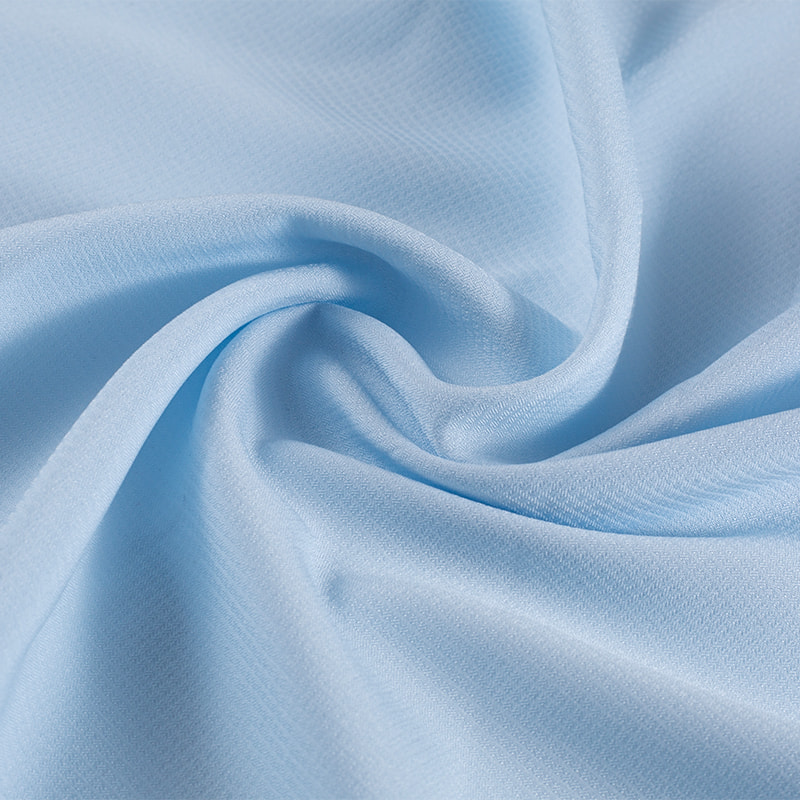
Warm-climate and resort apparel manufacturers rely on textiles engineered to perform under sun exposure, humidity, and frequent water contact. beach cloth fabr...
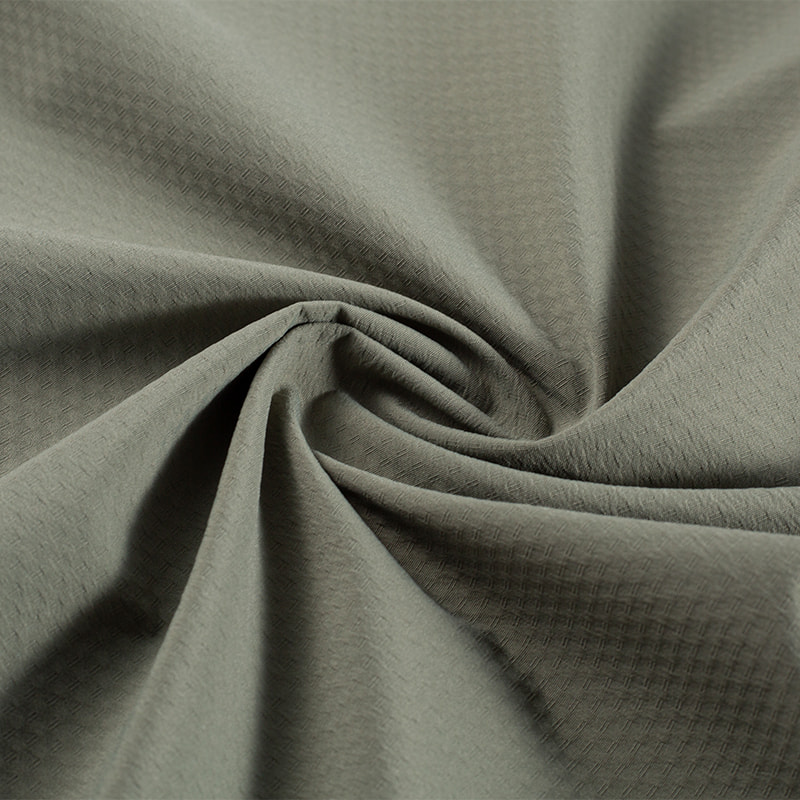
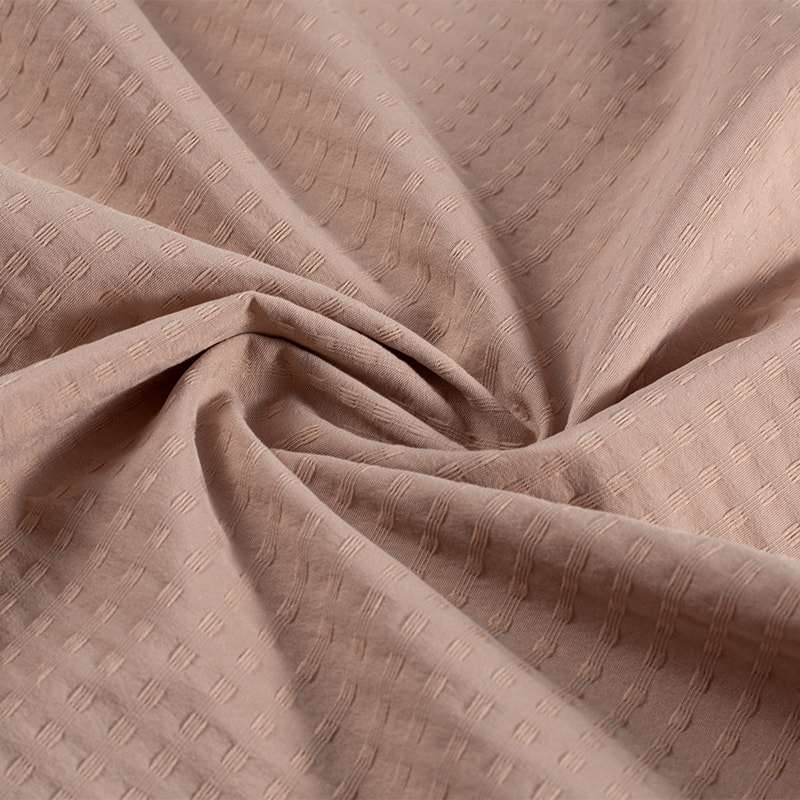
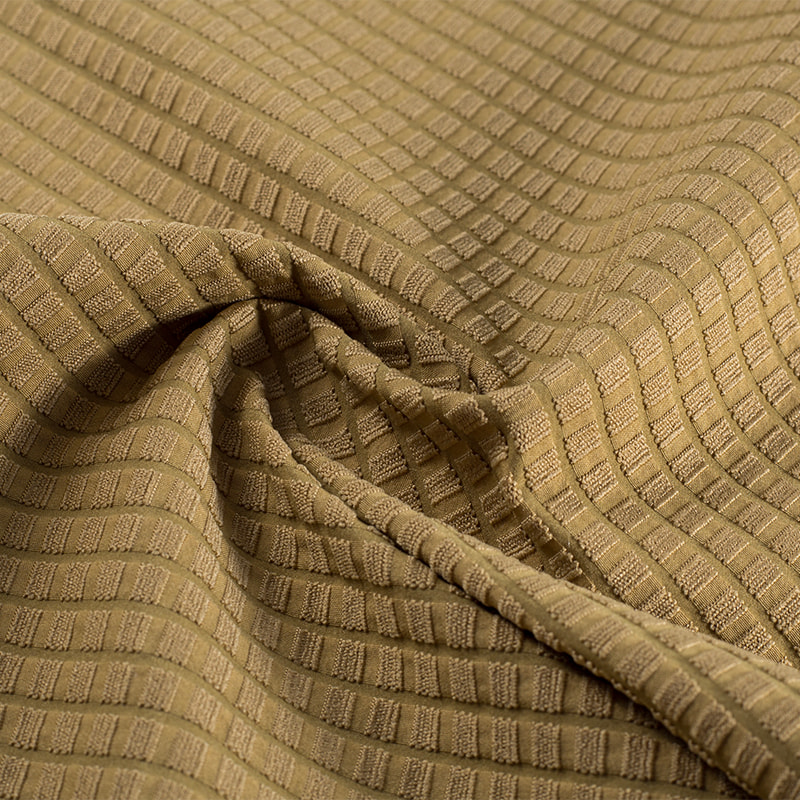
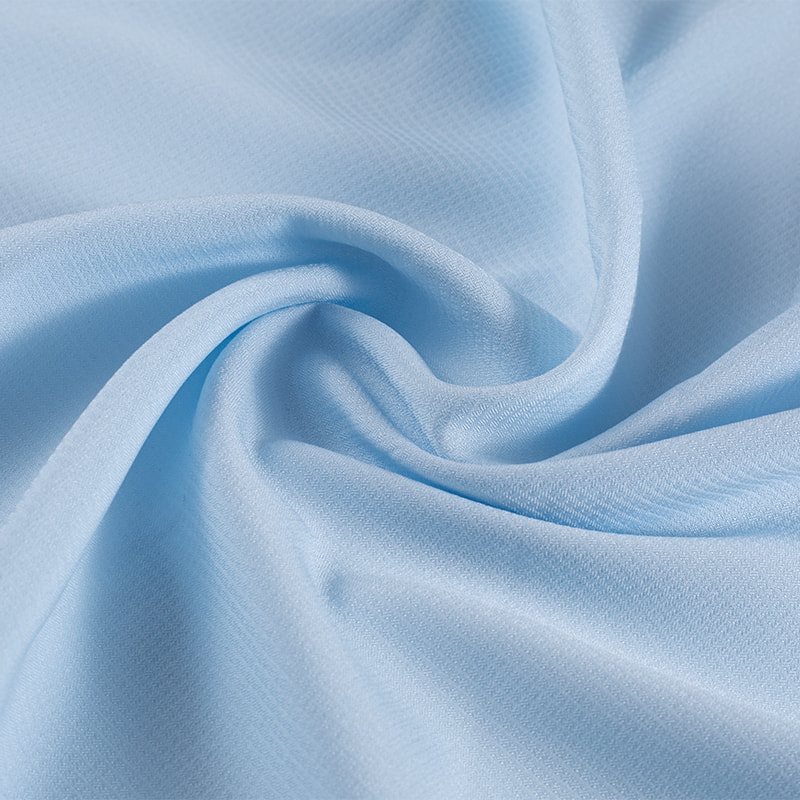
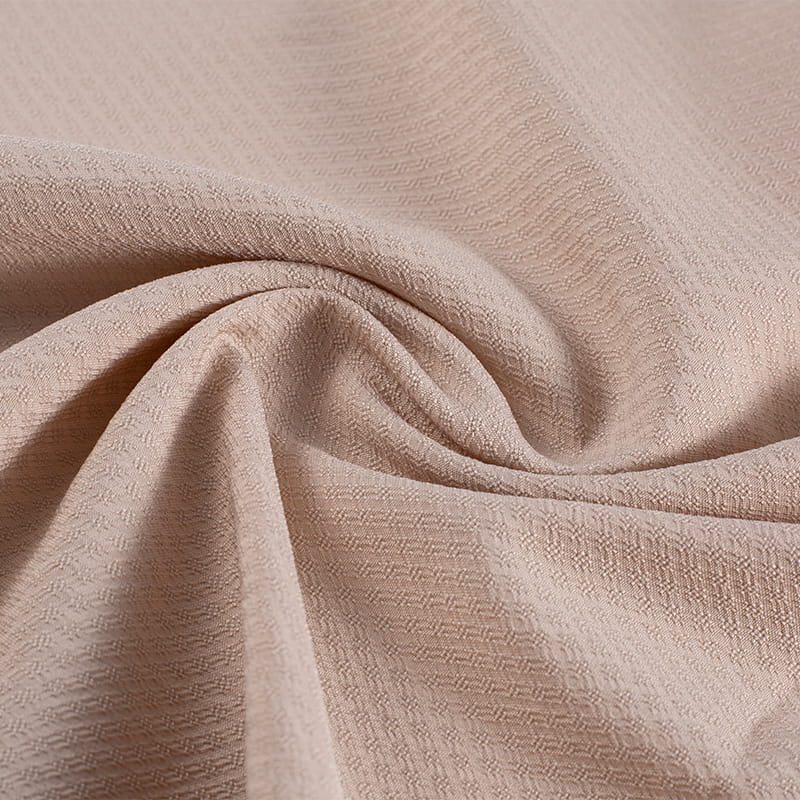
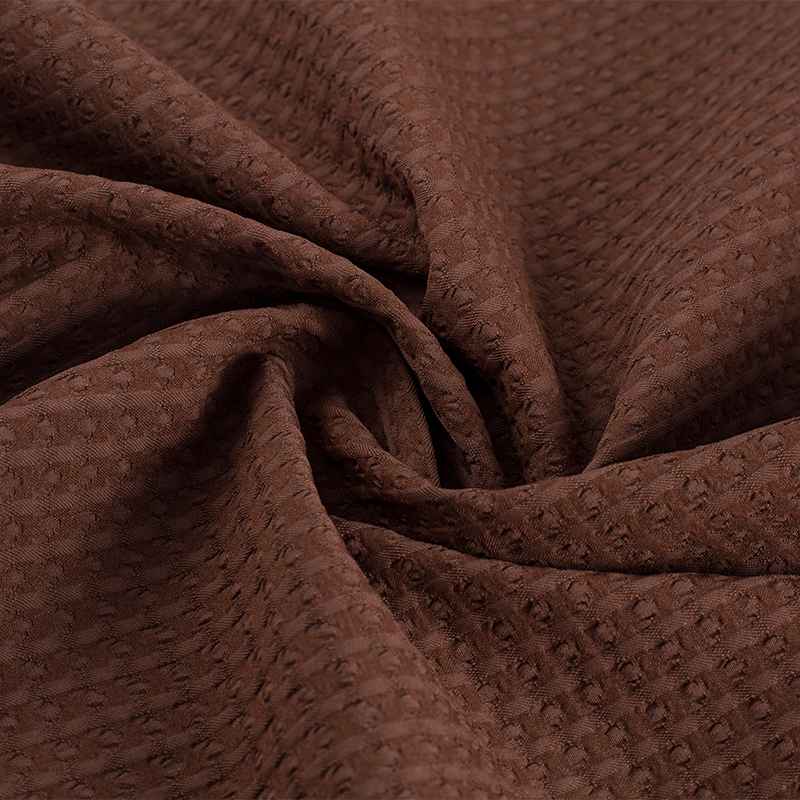
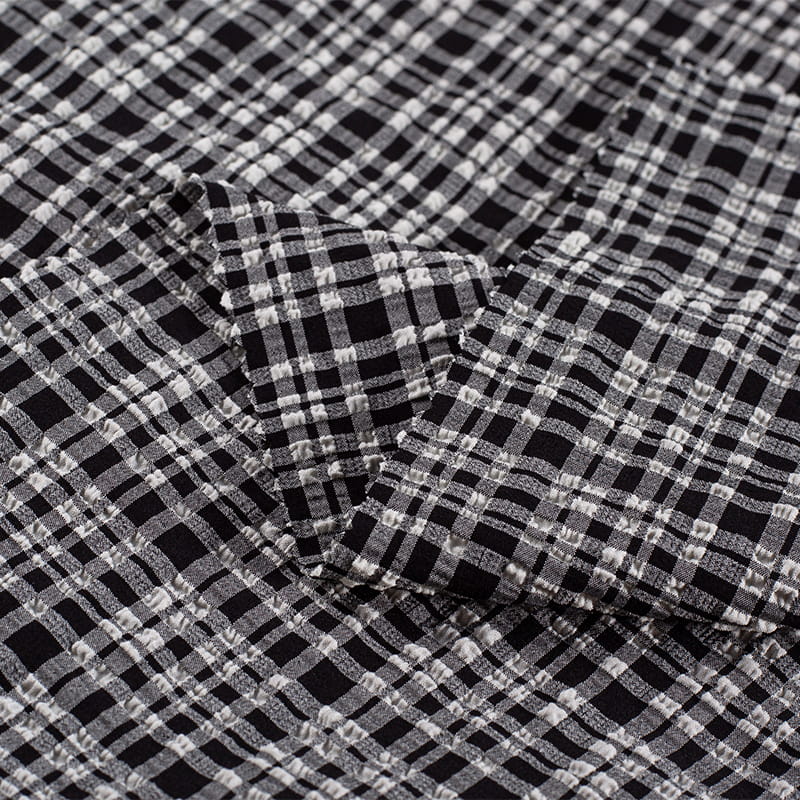
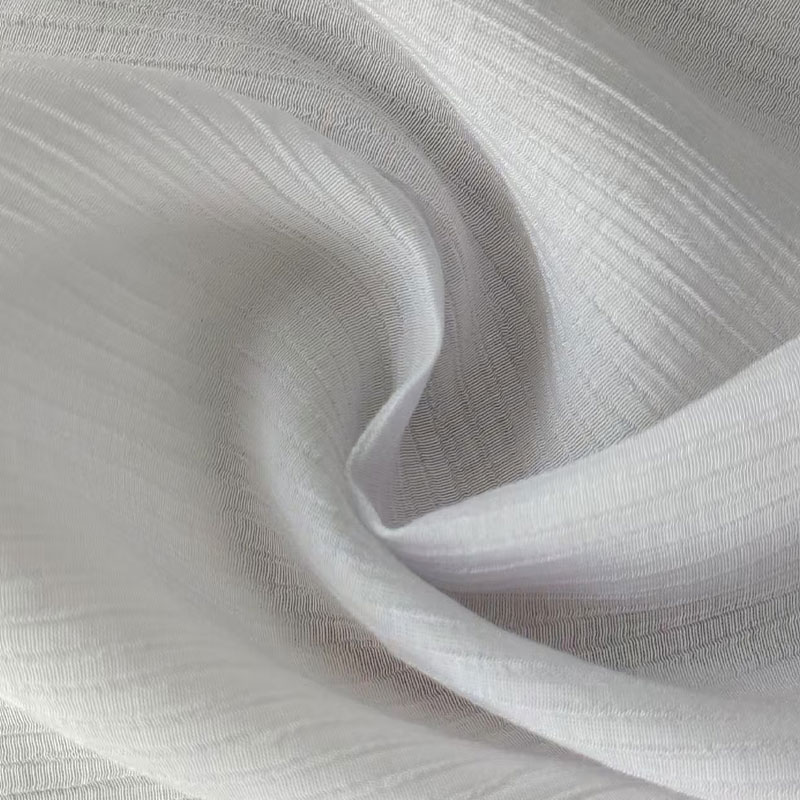
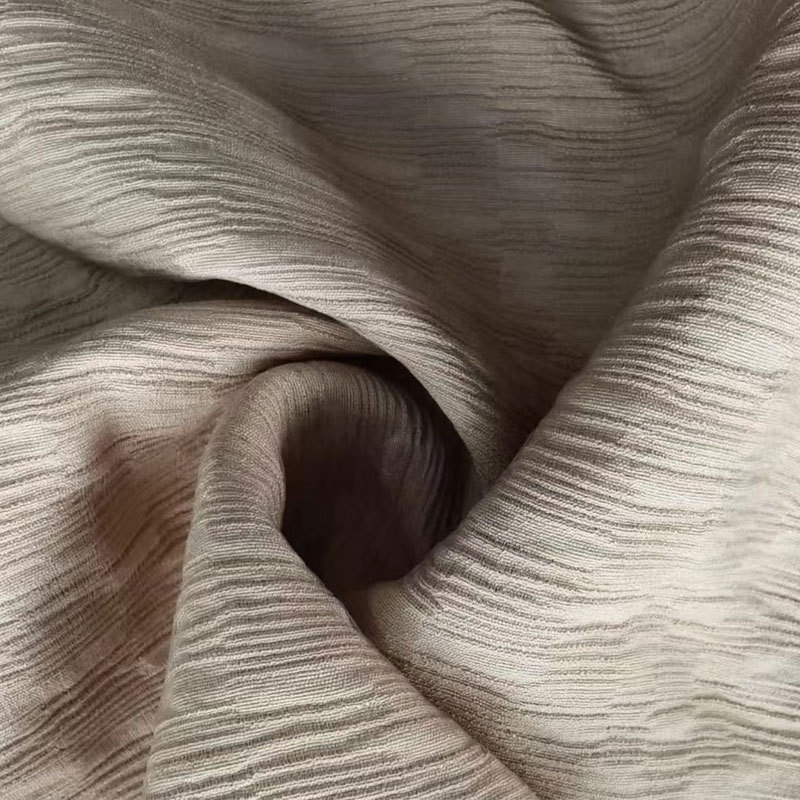
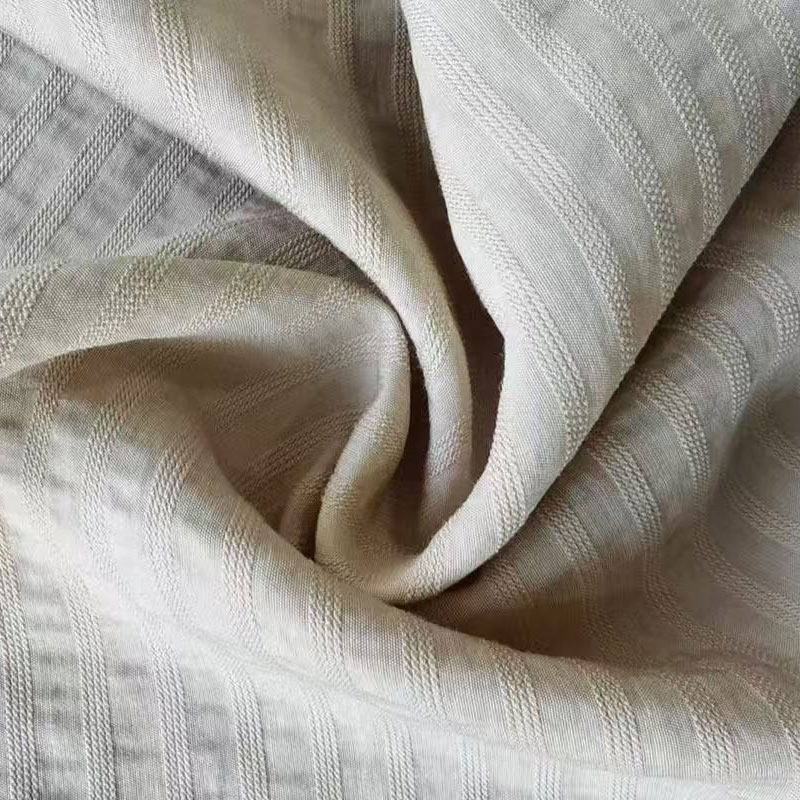
This stylish fabric features a flowing drape with an elegant, airy feel, making it perfect for modern fashion. Soft and comfortable against the skin, it offers a luxurious touch while maintaining breathability. Available in a variety of patterns and designs, it provides endless possibilities for creative and trendy apparel, including dresses, blouses, and skirts. Ideal for those seeking both sophistication and comfort in their wardrobe.
Warm-climate and resort apparel manufacturers rely on textiles engineered to perform under sun exposure, humidity, and frequent water contact. beach cloth fabr...
Lightweight Quick-Dry Wrinkle-Resistant Durable Super soft polyester fabrics are engineered textiles built from polyester filament yarns finished to achieve a ...
Direct answer: Nylon Jacquard Fabric is a woven textile with patterns built directly into the weave structure using nylon yarn, prized for its strength, smoot...
Direct conclusion: Chiffon garment fabrics — particularly polyester chiffon — dominate fashion apparel because they offer an unparalleled combination of ligh...
Stretch Satin Fabric is a woven textile that combines a glossy satin face with elastic yarns such as spandex or elastane, giving it the ability to stretch in ...
In the contemporary textile industry, understanding the distinction between printed and dyed materials is essential for designers, manufacturers, and buyers. Both processes are widely applied to fashion fabric, yet they differ significantly in terms of production techniques, visual outcomes, and functional performance. Printed fabric refers to textiles where patterns or designs are applied onto the surface, while dyed fabric involves immersing the entire material in color to achieve uniformity.
The provided material highlights that modern fabrics are expected to combine a flowing drape, breathable comfort, and elegant aesthetics, which are critical attributes for garments such as dresses, blouses, and skirts. Whether printed or dyed, these fabrics must maintain softness against the skin while offering durability and visual appeal. As a result, selecting between printed and dyed options is not only a matter of design but also a technical decision that influences the final garment’s performance.
From a broader perspective, textile materials used in apparel have evolved to meet both functional and stylistic demands. The integration of advanced weaving, dyeing, and finishing processes allows manufacturers to create fabrics that balance appearance with performance.
Printed fabric is characterized by the application of color or patterns onto the surface of a base textile. The design is typically added after the fabric has been woven or knitted. Various techniques such as screen printing and digital printing are used to transfer intricate patterns, enabling high design flexibility.
In printed materials, the color does not fully penetrate the fibers. Instead, it remains primarily on the surface, which allows for sharp and detailed motifs. This makes printed textiles particularly suitable for fashion-forward garments that require visual diversity and creative expression.
Dyed fabric, on the other hand, is produced by immersing the entire textile in dye solutions. This process ensures that the color penetrates deeply into the fibers, resulting in a uniform and consistent appearance throughout the material.
Dyed textiles are often preferred for applications where color durability and uniformity are critical. The deeper penetration of dye enhances resistance to fading and washing, making dyed materials suitable for both casual and functional apparel.
The distinction between printed and dyed textiles can be clearly understood by comparing several core aspects:
| Aspect | Printed fabric | Dyed fabric |
|---|---|---|
| Color application | Surface-level design | Full fiber penetration |
| Design flexibility | High, supports complex patterns | Limited to solid or simple tones |
| Color durability | Moderate, depends on printing method | High, strong resistance to washing |
| Production complexity | More steps for pattern alignment | Relatively straightforward |
| Typical usage | Fashion garments with patterns | Basic apparel and functional wear |
These differences demonstrate that printed textiles emphasize aesthetic versatility, while dyed textiles focus on performance stability. The choice between the two depends on the intended application and desired characteristics.
The manufacturing process plays a decisive role in determining the final properties of fashion fabric. Both printing and dyeing require precise control over parameters such as temperature, pressure, and chemical composition.
In professional textile production, the process begins with raw material preparation, where high-quality fibers are selected to ensure consistent performance. Advanced weaving machines interlace warp and weft yarns to create a stable fabric structure. After weaving, the fabric undergoes either dyeing or printing, followed by finishing treatments.
For dyed textiles, uniform coloration and wash resistance are achieved through controlled dyeing processes. High-temperature setting is then applied to stabilize the fabric and enhance additional properties such as UV protection, moisture absorption, and antibacterial performance.
Printed textiles require additional steps, including pattern design, alignment, and fixation. These steps increase production complexity but allow for highly customized visual effects.
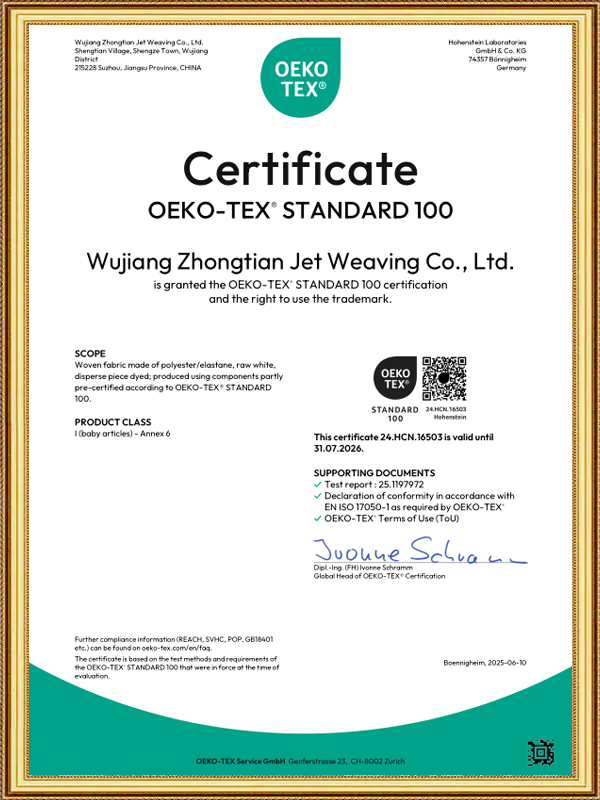
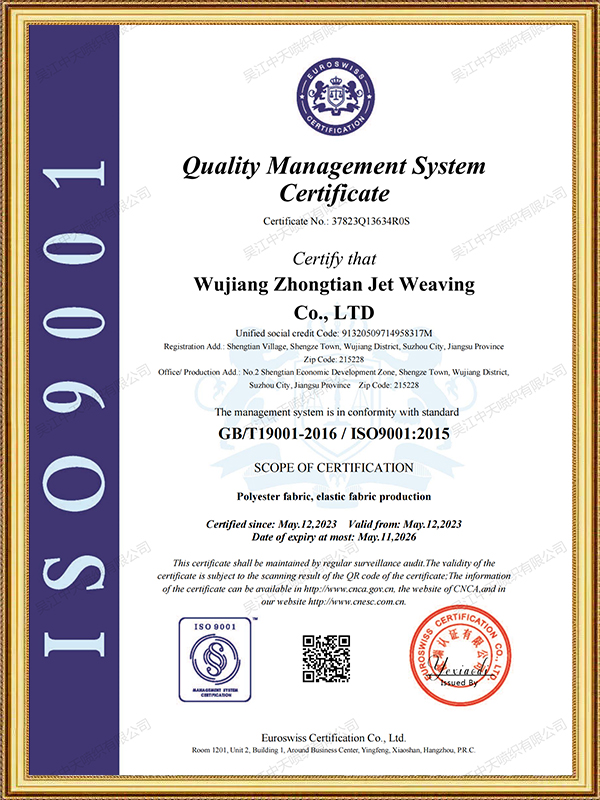
Companies such as Wujiang Zhongtian Jetweaving Co., Ltd. integrate weaving, dyeing, and finishing into a unified system, ensuring that both printed and dyed materials meet strict quality standards. By implementing comprehensive testing methods, including color fastness and moisture performance evaluation, manufacturers can guarantee the reliability of the final product.
In practical use, the performance of printed and dyed textiles differs depending on environmental conditions and garment requirements.
Printed textiles are widely used in garments where visual impact is a priority, such as seasonal fashion collections. Their ability to incorporate diverse patterns aligns with modern trends that emphasize individuality and creativity. However, their surface-level coloration may require careful maintenance to preserve appearance.
Dyed textiles are more suitable for applications that demand long-term durability and consistent color performance. They are often used in everyday wear, sportswear, and functional clothing, where repeated washing and exposure to environmental factors are common.
Manufacturers like Wujiang Zhongtian Jetweaving Co., Ltd. enhance these materials through finishing processes that improve moisture management, quick drying, and air permeability. This ensures that both printed and dyed textiles can meet modern performance standards.
Finishing processes are critical in determining the final characteristics of fashion fabric. After printing or dyeing, fabrics undergo treatments that enhance their physical and functional properties.
These processes may include:
Through advanced finishing, fabrics can achieve a balance between aesthetics and functionality, which is essential for modern apparel. Wujiang Zhongtian Jetweaving Co., Ltd. applies high-temperature setting and specialized treatments to ensure that fabrics maintain performance under various conditions.
In addition, strict quality inspection systems, including international four point testing standards, are implemented to detect defects and ensure consistency. This level of quality control is particularly important for both printed and dyed textiles, as it directly affects their usability in high-end applications.
Sustainability has become a central concern in textile manufacturing. Both printing and dyeing processes have environmental impacts, particularly in terms of water consumption and chemical usage.
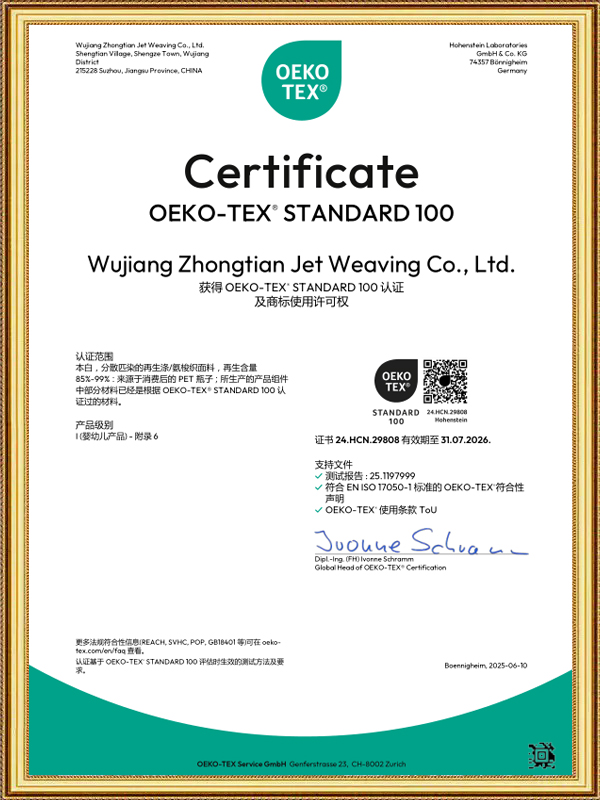
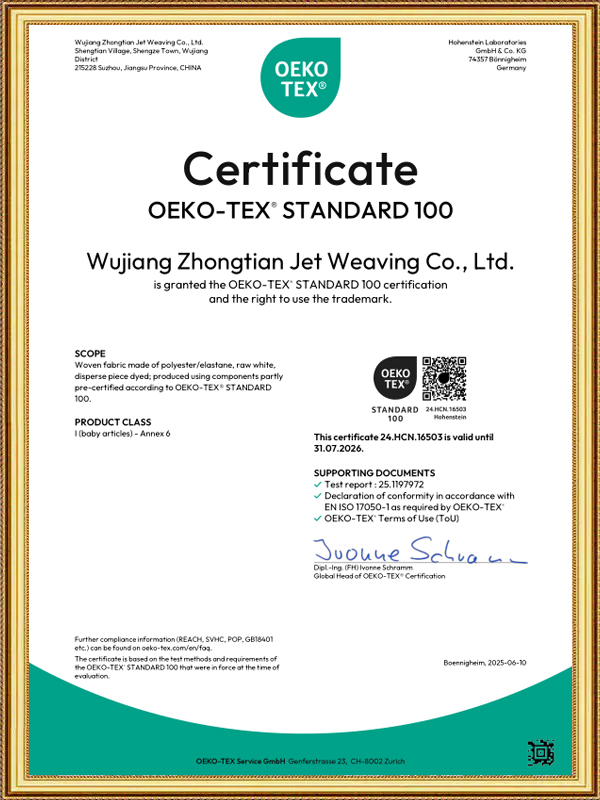
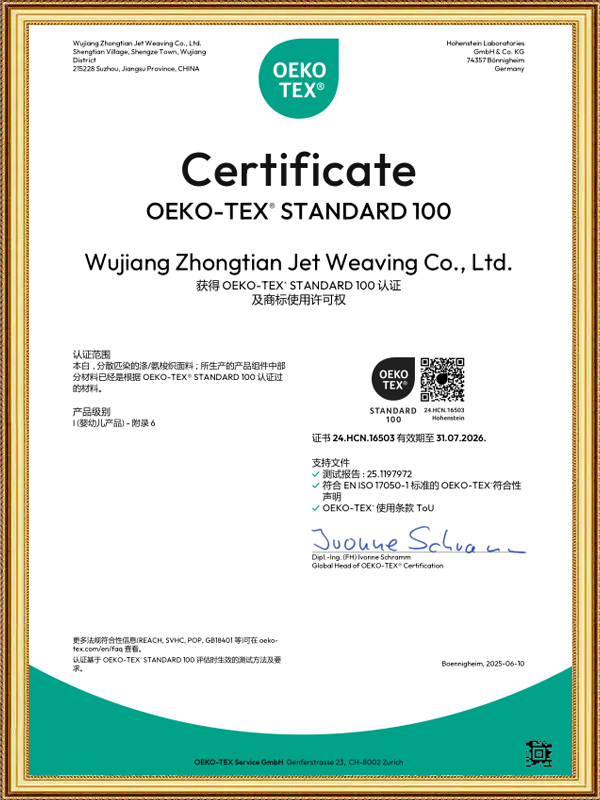
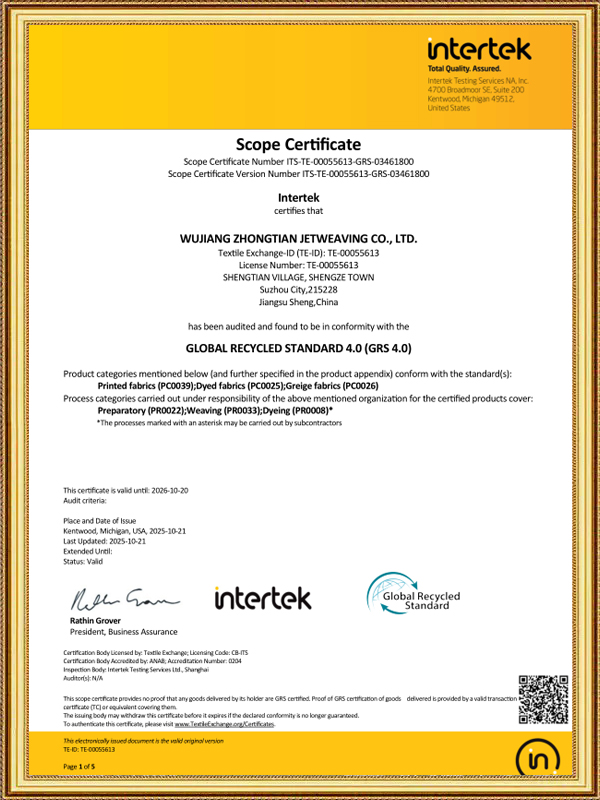
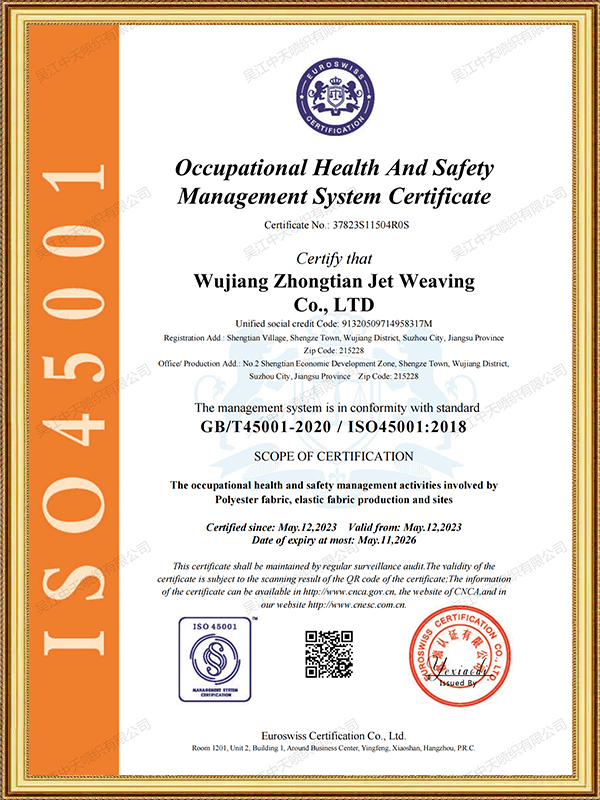
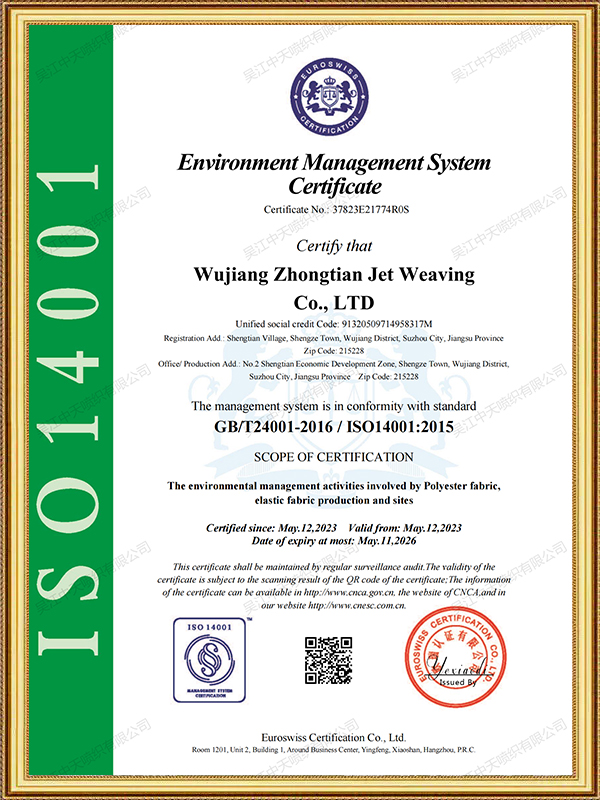
Modern manufacturers are addressing these challenges by adopting eco-friendly practices, such as the use of recycled fibers and certified production systems. Wujiang Zhongtian Jetweaving Co., Ltd. has incorporated recycled polyester materials and obtained recognized environmental certifications, ensuring that its products meet global sustainability standards.
From a comparative perspective:
| Factor | Printed fabric | Dyed fabric |
|---|---|---|
| Water usage | Moderate | High |
| Chemical consumption | Depends on printing method | Generally higher |
| Eco-friendly potential | High with digital printing | Improved with advanced dyeing |
The development of sustainable technologies ensures that both types of textiles can align with environmental protection and health-oriented fashion concepts.
Selecting the appropriate textile requires a comprehensive evaluation of design, performance, and cost considerations.
Key factors include:
With extensive experience in textile manufacturing, Wujiang Zhongtian Jetweaving Co., Ltd. offers customized solutions, including yarn selection, fabric weight adjustment, and functional enhancements. This enables clients to select the most suitable material for their specific applications while maintaining high quality standards.
The difference between printed and dyed textiles lies in their color application methods, visual characteristics, and performance attributes. Printed fabrics emphasize design flexibility and aesthetic diversity, while dyed fabrics provide superior color consistency and durability.
Both types play a vital role in the development of fashion fabric, supporting a wide range of apparel applications from casual wear to high-end garments. By integrating advanced production technologies and sustainable practices, modern manufacturers can deliver textiles that meet both functional and stylistic requirements.
Ultimately, the choice between printed and dyed materials depends on the intended use, desired appearance, and performance expectations. A thorough understanding of these differences allows industry professionals to make informed decisions and achieve optimal results in garment production.
The primary difference lies in how color is applied. Printed fabric has designs applied to the surface, while dyed fabric is colored throughout the fibers, resulting in better color durability.
Dyed fabric is generally more durable in terms of color retention because the dye penetrates the fibers more deeply.
Yes, printed fabric can be used for everyday garments, but proper care is required to maintain the appearance of the patterns over time.
Yes, both types can undergo finishing treatments to achieve properties such as moisture absorption, quick drying, and UV protection.
You should consider design requirements, durability expectations, and application scenarios. Consulting with experienced manufacturers can also help in making the right decision.
