

 English
 한국어
한국어 Español
Content
- 1 Composition and Manufacturing Characteristics
- 2 Technical Specifications and Performance Factors
- 3 Polyester Versus Cotton: Seasonal Performance Comparison
- 4 Application Scenarios
- 5 Selection Considerations and Purchasing Factors
- 6 Care, Handling, and Usage Recommendations
- 7 Common Mistakes and Overlooked Considerations
- 8 Conclusion
- 9 Frequently Asked Questions
- 9.1 What makes a polyester fabric feel super soft compared to standard polyester?
- 9.2 Is super soft polyester fabric good for hot weather?
- 9.3 How does polyester compare to cotton in cold weather?
- 9.4 Does super soft polyester fabric wrinkle easily?
- 9.5 Can super soft polyester fabric be made from recycled materials?
- 9.6 What washing method best preserves the soft texture over time?
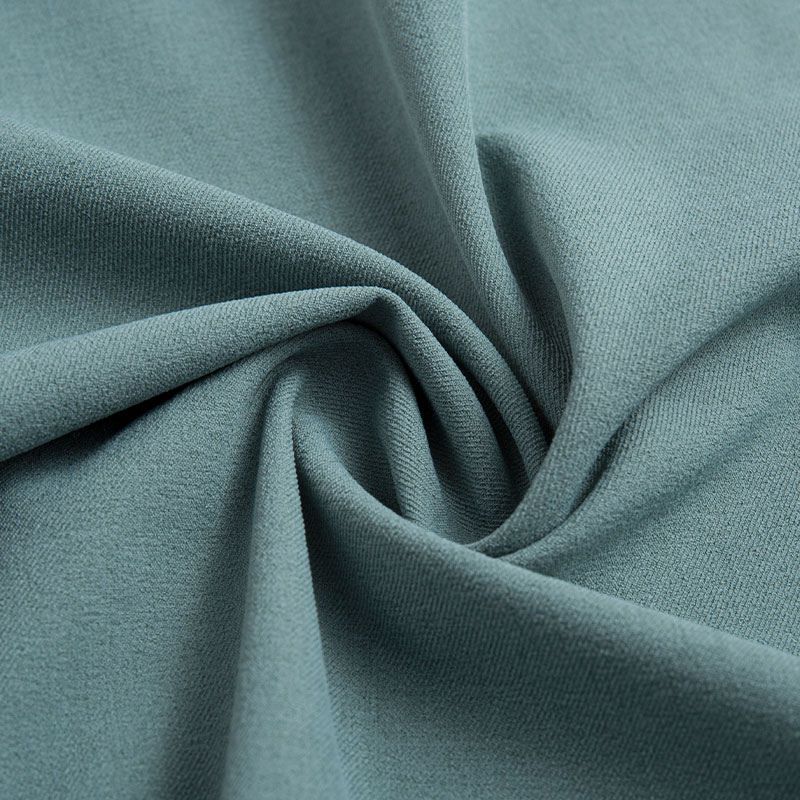
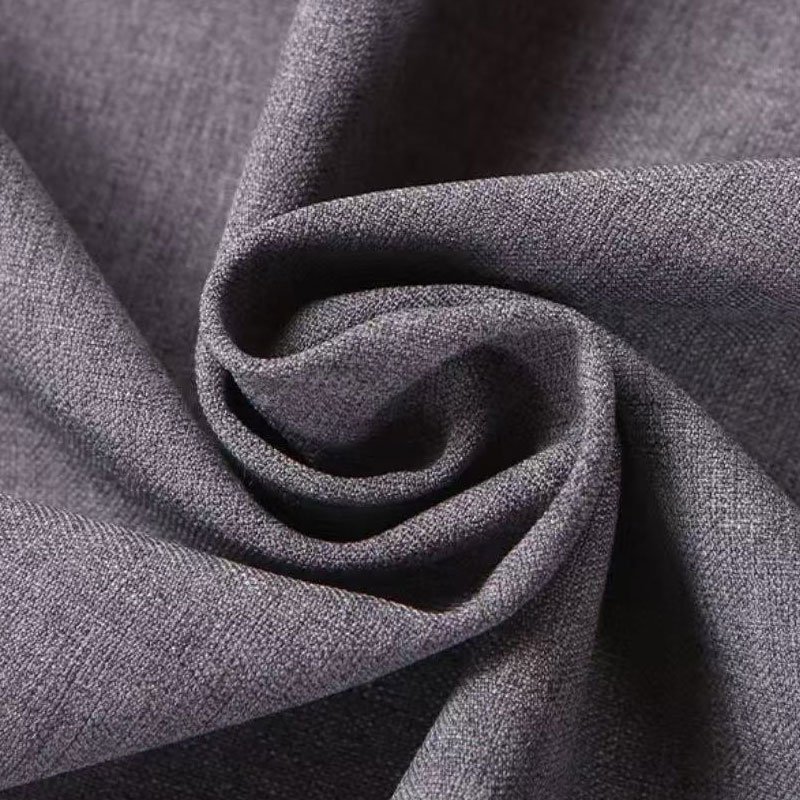
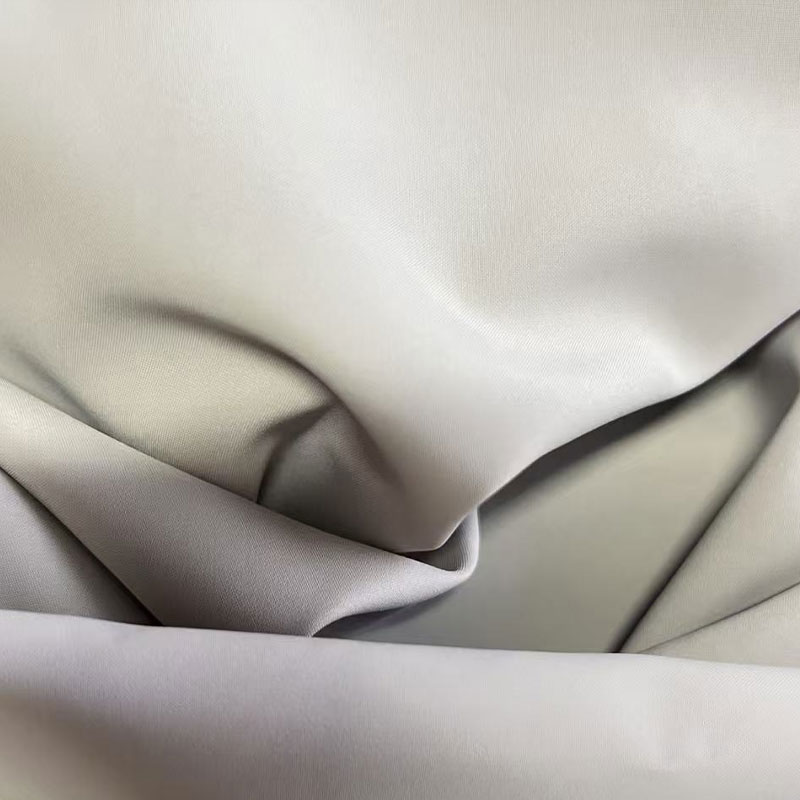
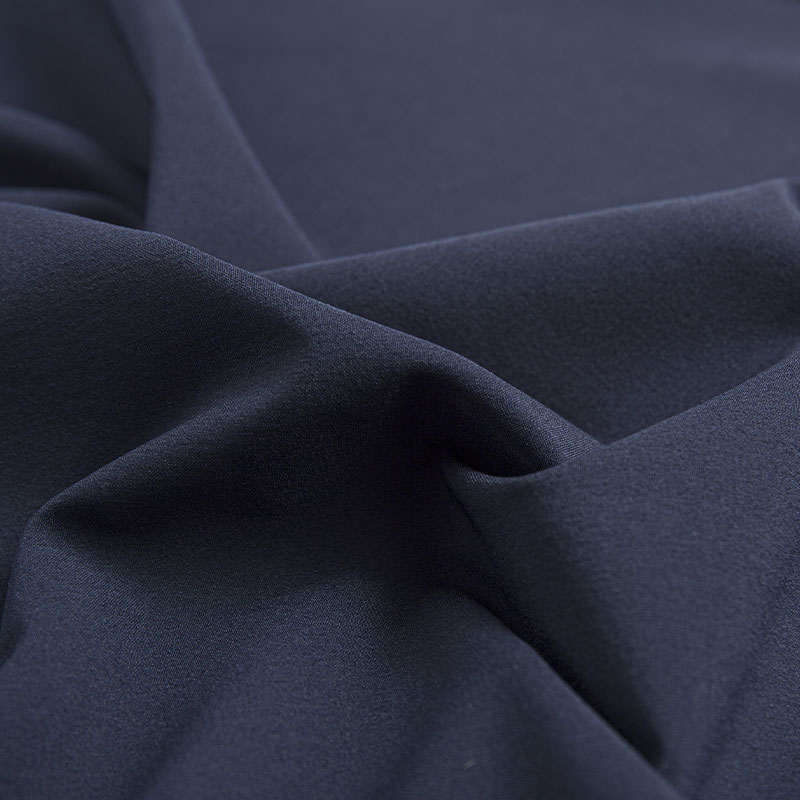
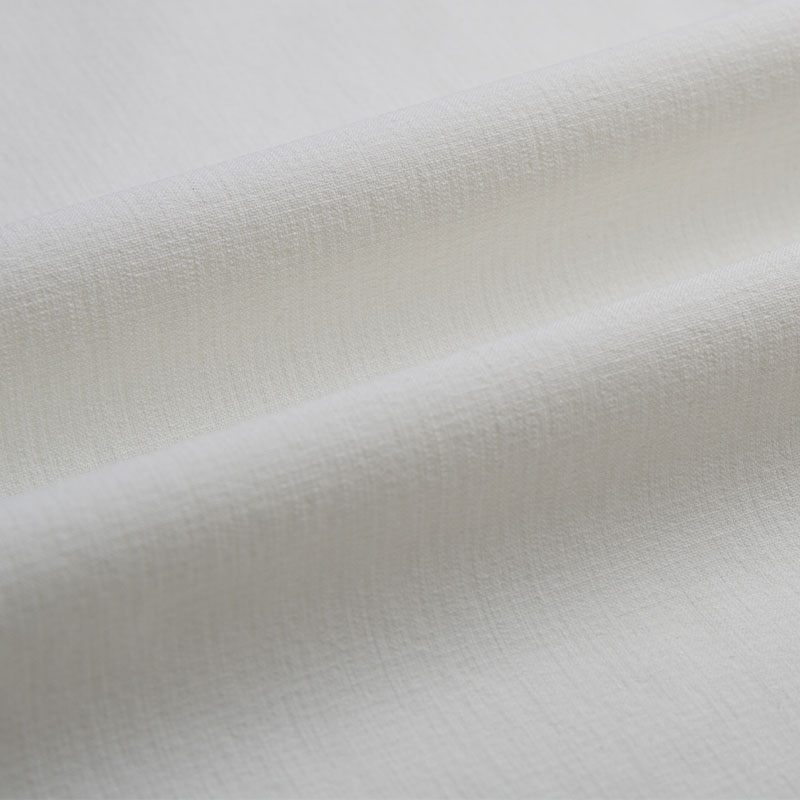
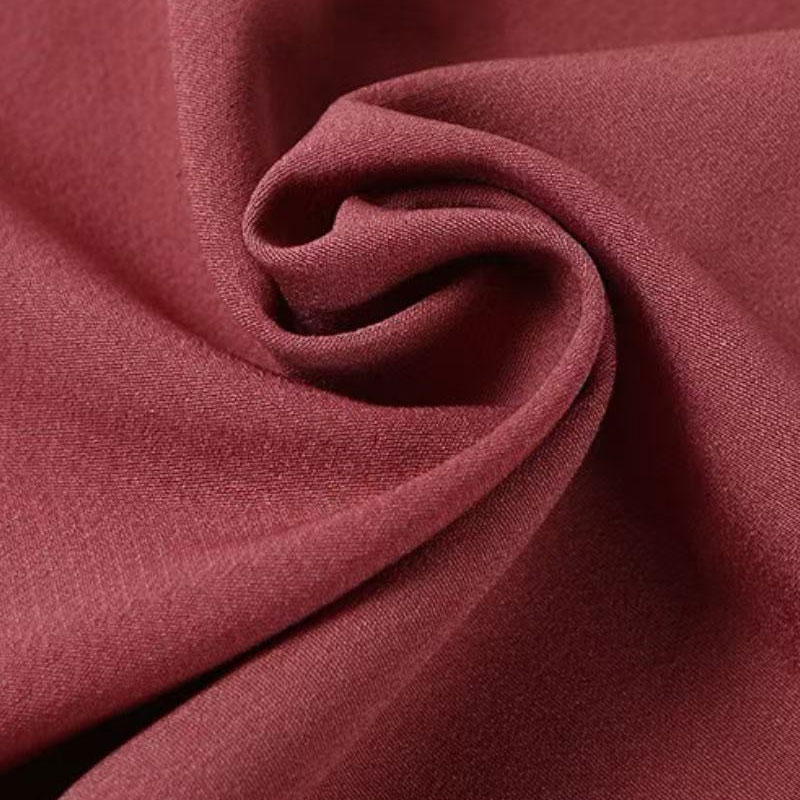
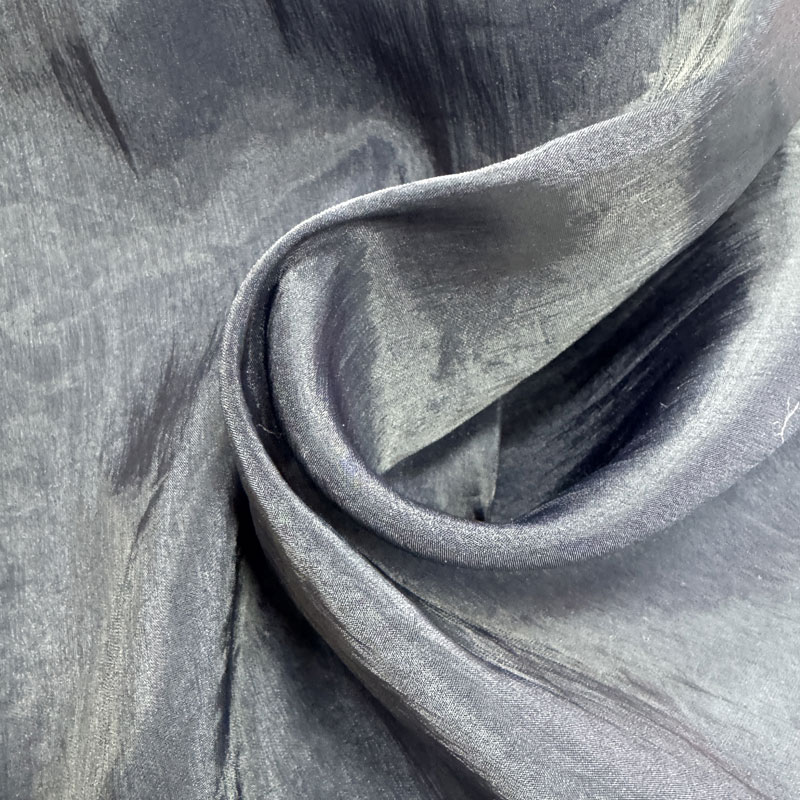
Super soft polyester fabrics are engineered textiles built from polyester filament yarns finished to achieve a smooth, low-friction hand feel while retaining the structural advantages of synthetic fiber — rapid moisture transport, dimensional stability, and resistance to creasing. The softening process typically combines fine-denier yarns, specialized weaving or knitting techniques, and finishing treatments that reduce surface roughness without compromising strength or shape retention.
A super soft polyester fabric is a 100% polyester textile finished specifically to reduce fiber stiffness and surface friction, producing a texture closer to natural fibers while keeping polyester's inherent performance characteristics intact.
- Fast moisture evaporation
- Low shrinkage and stretch distortion
- Resistance to creasing and wrinkling
- Consistent dye uptake and colorfastness
- Stable performance across humidity levels
Composition and Manufacturing Characteristics
The softness of a polyester fabric is determined primarily at the yarn stage. Fine-denier or microfiber polyester filaments, often below one denier per filament, pack more individual fibers into the same yarn cross-section, which reduces the coarseness felt against skin compared with standard denier yarns. Weave or knit structure also plays a role, since a tighter, more uniform construction produces a smoother surface than a loose or irregular one.
Because polyester is a thermoplastic fiber, heat-setting during finishing locks the fabric's dimensions in place, which is the underlying reason polyester textiles resist shrinking and hold their shape through repeated washing and drying cycles far more consistently than natural fiber alternatives.
Technical Specifications and Performance Factors
Fabric specification sheets for super soft polyester typically list the following parameters, which together determine how the material will perform in a finished garment or product.
| Property | Typical Value or Range |
| Fiber content | 100 percent polyester |
| Yarn fineness | 50 to 150 denier, microfiber options below 1 denier per filament |
| Fabric weight | 80 to 220 grams per square meter depending on end use |
| Moisture regain | approximately 0.4 percent, significantly lower than cotton |
| Shrinkage after washing | typically under 3 percent with proper heat-setting |
| Colorfastness rating | grade 4 to 5 on standard wash and light fastness scales |
| Common finishes | silicone softening, brushing, calendering, moisture-wicking treatment |
Low moisture regain is the property behind polyester's quick-dry behavior, since the fiber itself absorbs very little water, allowing moisture to sit on the surface where it evaporates quickly rather than saturating the fiber structure the way it does with cotton.
Polyester Versus Cotton: Seasonal Performance Comparison
Fiber choice affects comfort differently depending on climate and activity level. The comparison below outlines how super soft polyester fabric and cotton behave across common performance factors, including summer and winter conditions.
| Performance Factor | Super Soft Polyester | Cotton |
| Moisture handling | Wicks moisture to the surface for fast evaporation | Absorbs moisture into the fiber, dries slowly |
| Summer comfort | Stays lighter against skin as sweat evaporates quickly | Can feel heavy and damp once saturated |
| Winter insulation | Retains warmth well when paired with brushed or fleece finishes | Loses insulating value when damp |
| Wrinkle resistance | Naturally resists creasing, needs little to no ironing | Wrinkles readily, generally requires ironing |
| Drying speed | Dries significantly faster after washing | Requires longer drying time |
| Durability | High abrasion resistance, holds shape over repeated use | Softer initially but wears and pills over time |
In warm conditions, the low moisture regain of polyester keeps garments feeling lighter as perspiration evaporates from the surface rather than soaking into the fabric. In colder conditions, polyester's insulating performance depends more on the specific finish and construction, since brushed or napped polyester traps air effectively even when cotton alternatives lose warmth once exposed to moisture.
Application Scenarios
The specific advantages of super soft polyester fabric make it a practical choice across several distinct use cases, each drawing on a different combination of its core properties.
Rapid moisture-wicking is one of the fiber's defining strengths, making it well suited for activewear where sweat needs to move away from the skin quickly during physical activity.
Wrinkle resistance reduces the need for ironing after packing, which is a practical advantage for shirts and blazers carried in luggage on frequent trips.
Durability combined with quick-dry and windproof finishing options makes the fiber a common base material for technical shells and outer layers used in variable weather.
Consistent performance at a lower material cost than many natural fiber alternatives makes it a practical option for essential, high-value everyday items.
Selection Considerations and Purchasing Factors
Specifying the right super soft polyester fabric depends on matching yarn fineness, weight, and finish to the intended end use rather than relying on fiber content alone.
- Confirm yarn denier and filament count, since finer yarns produce a softer hand feel but may affect abrasion resistance
- Match fabric weight to the garment category, lighter weights for apparel, heavier weights for outerwear or upholstery
- Review finishing treatment, as silicone softening, brushing, and moisture-wicking coatings each affect final texture and function differently
- Check colorfastness ratings if the end product will see repeated washing or prolonged light exposure
- Verify shrinkage tolerance against the intended cut and construction method to avoid post-wash fit issues
- Request a physical swatch when possible, since hand feel varies noticeably between finishing methods even at identical denier
Care, Handling, and Usage Recommendations
Proper care preserves both the softness and the performance characteristics of the fabric over its usable life.
Common Mistakes and Overlooked Considerations
A frequent oversight is selecting fabric weight based only on hand feel samples without accounting for how the material will drape or perform at full garment scale, since a swatch that feels soft in isolation can behave differently once cut and sewn into a finished piece. Another common issue is applying high-heat drying or ironing to fabrics finished with silicone-based softeners, which gradually breaks down the treatment and reduces the smooth texture over repeated cycles. Overlooking colorfastness testing before committing to a production run is also a recurring problem, particularly for garments that will see frequent washing or direct sunlight exposure.
Conclusion
Super soft polyester fabric offers a practical balance of comfort, durability, and low-maintenance performance across a wide range of applications, from activewear to travel clothing to outdoor gear. Matching yarn fineness, fabric weight, and finishing treatment to the intended use remains the most reliable way to get consistent results from super soft polyester fabrics across different production runs and end applications.
Frequently Asked Questions
What makes a polyester fabric feel super soft compared to standard polyester?
Softness comes from a combination of fine-denier yarns, tight and uniform weave or knit construction, and finishing treatments such as silicone softening or brushing, which together reduce surface friction without changing the underlying fiber content.
Is super soft polyester fabric good for hot weather?
Yes, its low moisture regain allows sweat to evaporate from the surface quickly rather than saturating the fabric, which helps the material feel lighter and drier in warm conditions compared with fibers that absorb moisture directly.
How does polyester compare to cotton in cold weather?
Polyester with a brushed or napped finish can retain warmth effectively by trapping air within the fiber structure, and unlike cotton, it does not lose its insulating value when exposed to moisture or perspiration.
Does super soft polyester fabric wrinkle easily?
No, one of its defining characteristics is strong wrinkle resistance, which is why it is commonly used in travel clothing where reducing the need for ironing is a practical advantage.
Can super soft polyester fabric be made from recycled materials?
Yes, recycled polyester sourced from post-consumer plastic or textile waste is now widely available with the same softening finishes used on virgin polyester, producing a comparable hand feel.
What washing method best preserves the soft texture over time?
Washing in cool to warm water and avoiding high-heat drying helps preserve silicone-based softening finishes, which can gradually break down under repeated exposure to excessive heat.