

 English
 한국어
한국어 Español
Content
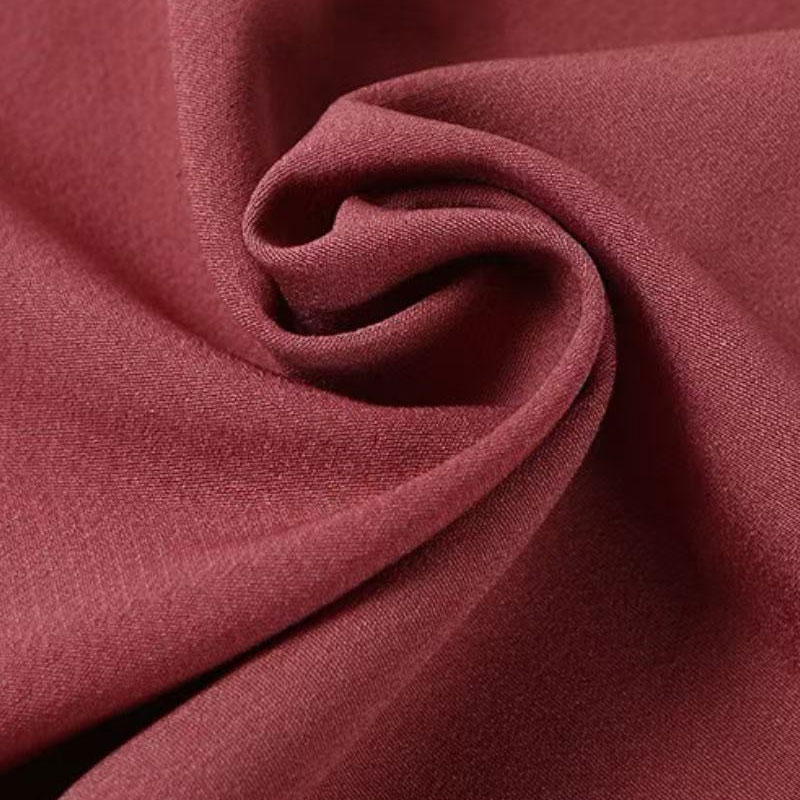
Stretch Satin Fabric is a woven textile that combines a glossy satin face with elastic yarns such as spandex or elastane, giving it the ability to stretch in one or two directions while keeping the smooth, lustrous surface that satin is known for. The most common blend is 90 to 95 percent polyester or nylon paired with 5 to 10 percent spandex, which allows the fabric to recover its original shape after stretching by up to 20 to 35 percent depending on the weave density. This balance of shine, drape, and flexibility makes it a preferred choice for fitted dresses, lingerie, dance costumes, and tailored shirts where movement and a sleek silhouette are equally important.
Fiber Blends That Define Stretch Satin
The performance of stretch satin depends almost entirely on which fibers are combined and in what ratio. Pure satin made from silk or 100 percent polyester does not stretch, so manufacturers add elastane fibers into the warp, the weft, or both directions during weaving.
| Polyester or Nylon 92 to 95 percent + Spandex 5 to 8 percent | Most common blend, offers two way stretch, holds color well, machine washable |
| Silk 90 percent + Spandex 10 percent | Premium option with natural sheen, softer hand feel, used in bridal and evening wear |
| Acetate or Triacetate blends with elastane | Cooler feel, less static, common in lining and lightweight garments |
| Cotton blended satin with small elastane content | Breathable, used for casual shirts and skirts that still need a soft drape |
For most apparel buyers, a polyester and spandex blend at around 6 percent elastane offers the best balance between cost, durability, and stretch recovery, which is why it appears in roughly 70 percent of commercial stretch satin rolls sold for fashion production.
How Stretch Improves Fit and Movement
The elastane content allows the fabric to expand and contract along the body, which reduces the need for excess fabric allowance in pattern cutting. A garment cut from stretch satin can use 1 to 2 cm less ease per seam compared to a non stretch satin, while still allowing free arm and leg movement.
- Two way stretch fabrics move with both bending and twisting motions, making them suitable for activewear linings and bodysuits.
- One way stretch fabrics, where elastane runs only in the weft, are often used for fitted skirts and trousers that need shape retention through sitting and walking.
- Recovery rate, usually between 90 and 98 percent for quality stretch satin, determines whether a garment returns to its original shape after repeated wear and washing.
- A fabric with a stretch percentage below 15 percent is often labeled as low stretch satin and is better suited for structured jackets rather than form fitting pieces.
Garments made with stretch satin in the 20 to 30 percent stretch range are commonly chosen for evening gowns because the fabric conforms to the body without requiring darts or excessive shaping seams, which also reduces production time by an average of 10 to 15 minutes per piece.
Choosing the Right Weight for Your Project
Fabric weight is typically measured in grams per square meter, or GSM, and stretch satin is generally available in three practical ranges.
| 80 to 110 GSM | Lightweight, used for blouses, scarves, and lining where a soft fall is needed |
| 110 to 150 GSM | Mid weight, the most versatile range for dresses, skirts, and shirts |
| 150 to 200 GSM | Heavier weight, used for tailored trousers, jackets, and structured costume pieces |
A lighter fabric below 100 GSM tends to wrinkle and cling more, which can be desirable for slip dresses but problematic for garments needing a clean line. Heavier fabrics above 150 GSM hold pleats and folds better but reduce the overall stretch comfort, since thicker yarns naturally resist deformation. For most ready to wear collections, a weight between 120 and 140 GSM gives the best combination of opacity, drape, and stretch recovery.
What Creates the Signature Satin Drape
The smooth, reflective surface of satin comes from its weave structure rather than the fiber itself. A satin weave floats the warp or weft yarns over four or more opposite yarns before interlacing, which creates long, uninterrupted surfaces that reflect light evenly and produce the characteristic sheen.
- Higher thread count, often above 200 threads per inch, produces a finer, more reflective surface.
- Filament yarns, which are continuous rather than spun from short fibers, give the fabric its smooth hand feel and reduce surface friction.
- The bias cut, where fabric is cut at a 45 degree angle to the grain, enhances the fluid drape and is widely used in slip dresses and gowns made from stretch satin.
- A balanced elastane percentage between 5 and 8 percent maintains the fabric fall without making it appear overly clingy or stiff.
This combination of long floating yarns and added stretch fibers allows stretch satin to fall close to the body while still moving freely, which is why it remains a preferred material for red carpet style garments and formal eveningwear.
Best Garment Categories for Stretch Satin
Because of its balance of sheen, stretch, and drape, stretch satin fits a specific set of apparel categories more effectively than others.
| Evening dresses and gowns | Bias cut designs benefit from the fluid drape and body conforming stretch |
| Bridal and bridesmaid wear | Higher GSM stretch satin holds structure while allowing comfortable wear for long events |
| Lingerie and shapewear | Two way stretch with high recovery rate keeps the fabric snug without restricting movement |
| Dance and performance costumes | High stretch percentage above 25 percent supports a full range of motion |
| Tailored shirts and blouses | Lightweight stretch satin around 90 to 110 GSM provides a polished look with all day comfort |
When selecting stretch satin for a new collection, matching the GSM, stretch percentage, and weave finish to the specific garment category is the most reliable way to ensure both visual appeal and long term wearability.