

 English
 한국어
한국어 Español
Content
- 1 Product Characteristics and Performance Principles
- 2 Technical Specifications and Key Performance Factors
- 3 Application Scenarios
- 4 Comparison With Other Common Warm-Climate Fabrics
- 5 What Fabrics Should Be Avoided in Summer and High Humidity
- 6 Selection Considerations and Purchasing Factors
- 7 Care and Usage Recommendations
- 8 Common Mistakes and Overlooked Considerations
- 9 Conclusion
- 10 Frequently Asked Questions
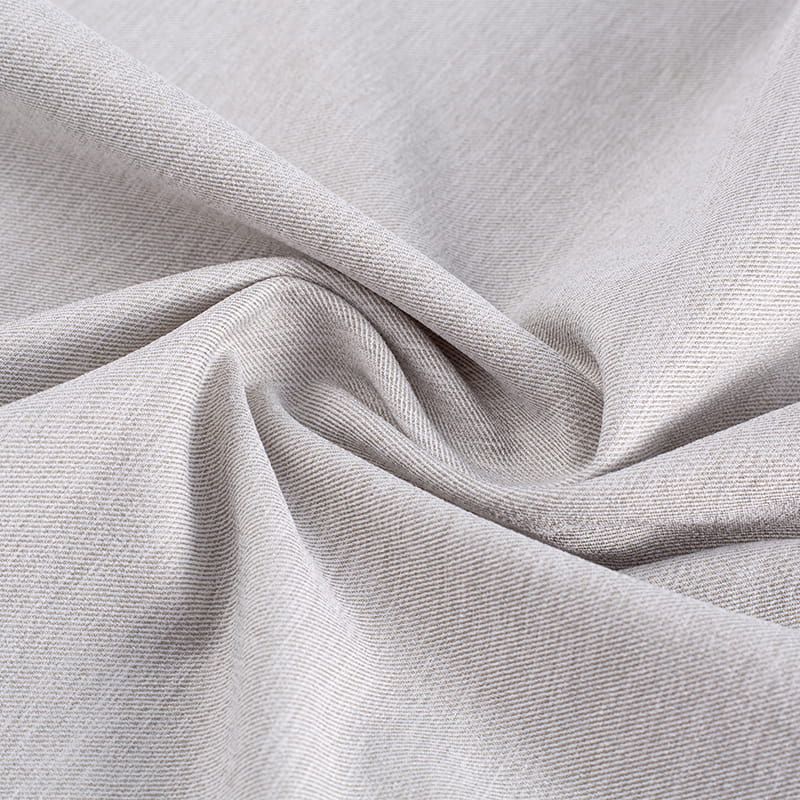
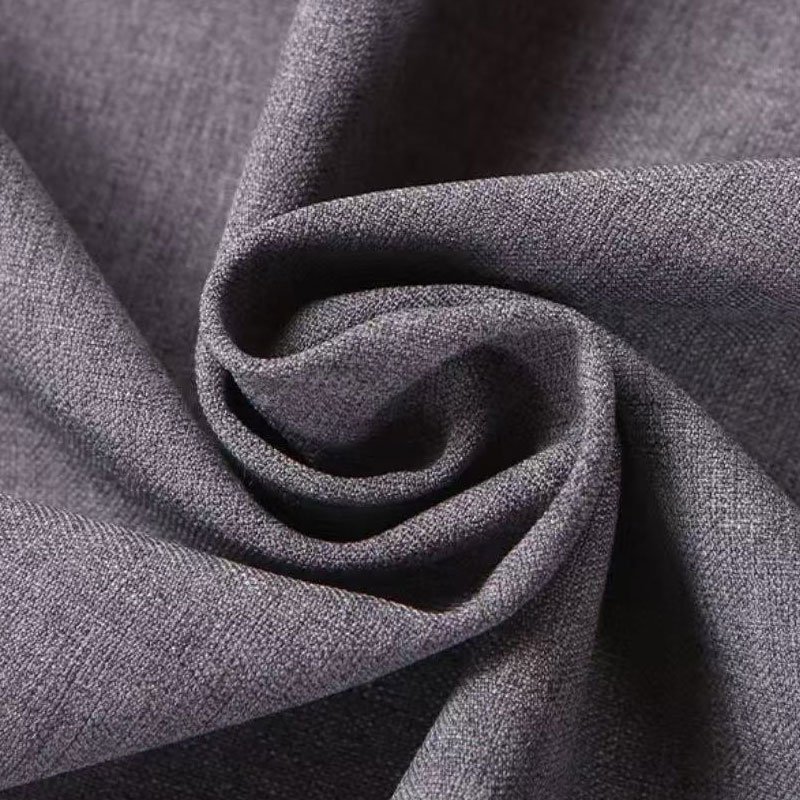
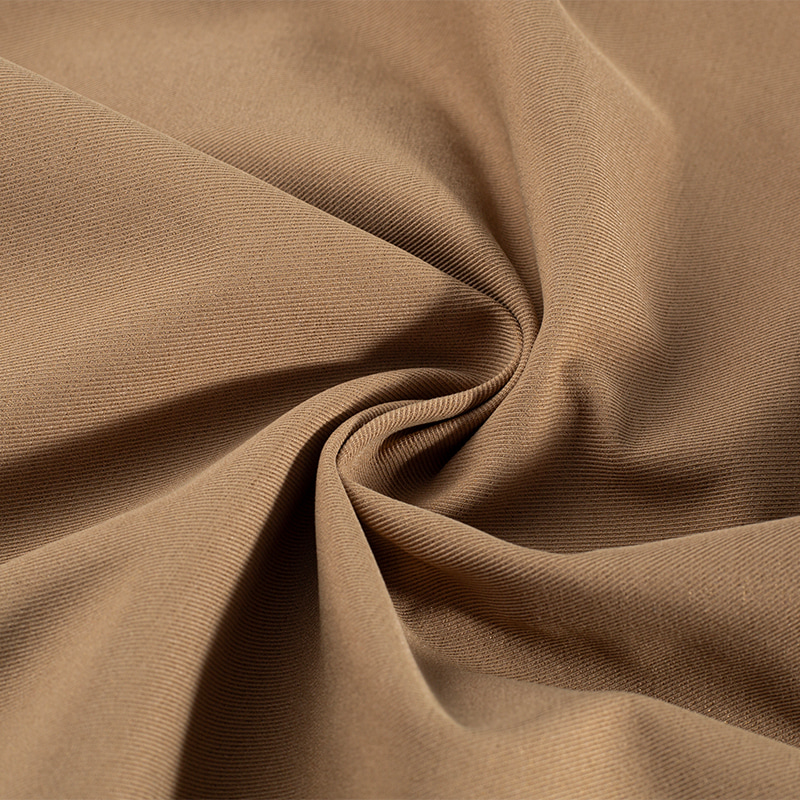
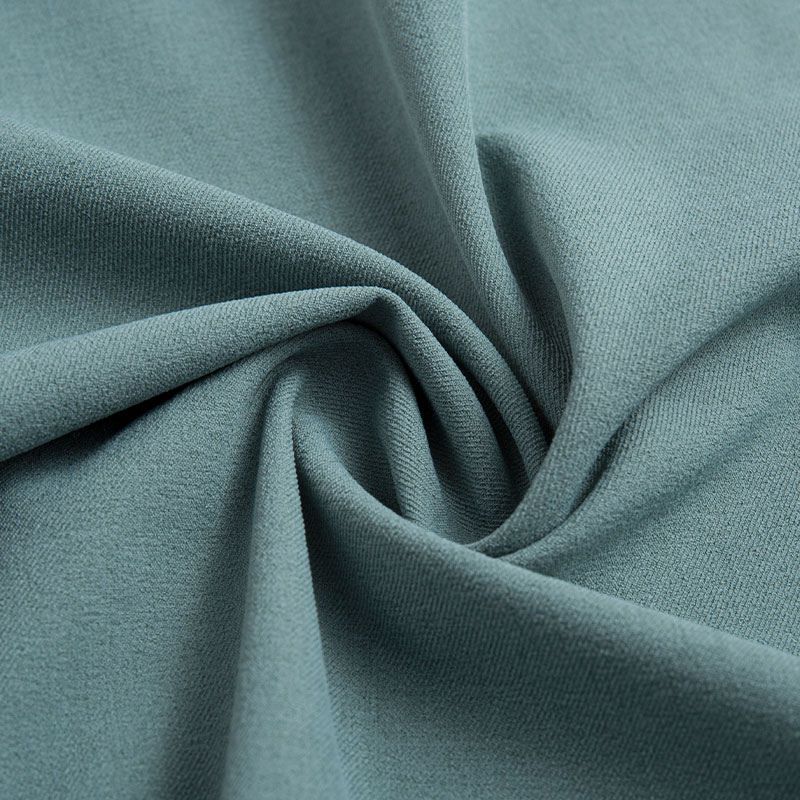
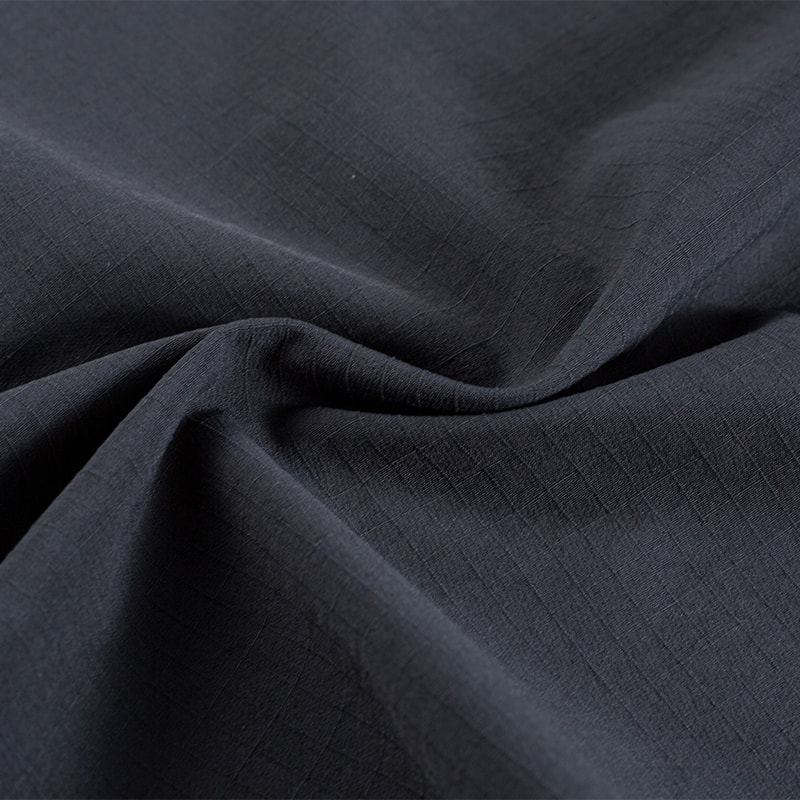
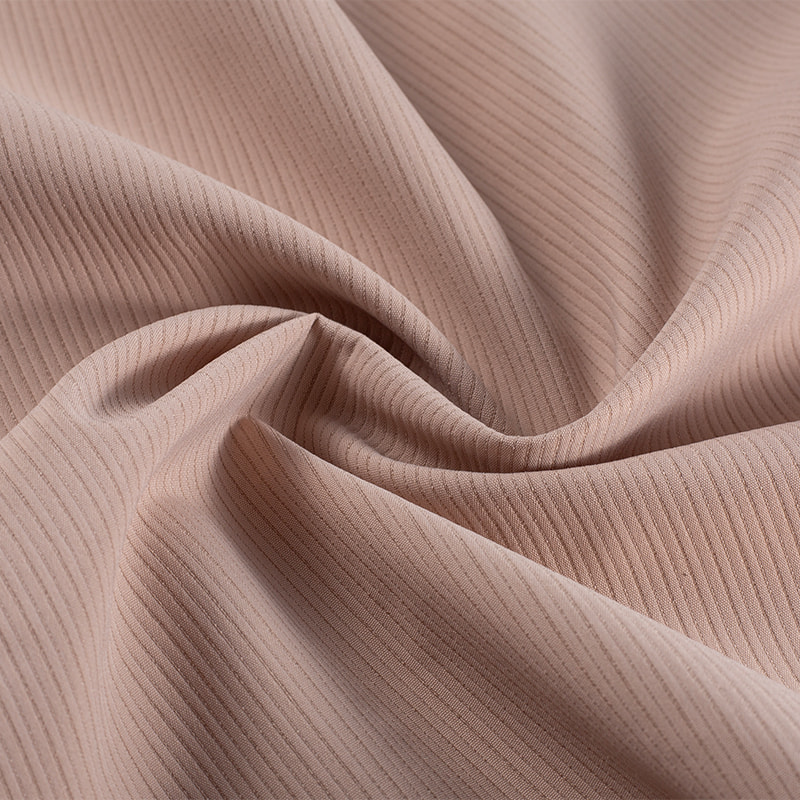
Warm-climate and resort apparel manufacturers rely on textiles engineered to perform under sun exposure, humidity, and frequent water contact. beach cloth fabric refers to this category of textile, typically designed with quick-drying, breathable, and lightweight characteristics suited to swimwear cover-ups, resort wear, and coastal activewear. Understanding how these fabrics are constructed and performing helps clarify why certain materials are preferred over others for garments used in hot, humid, or wet conditions.
| 1. Product Characteristics | 4. Comparison with Other Fabrics |
| 2. Technical Specifications | 5. Selection Considerations |
| 3. Application Scenarios | 6. Care Recommendations and FAQ |
Product Characteristics and Performance Principles
The performance of beach cloth fabric is largely determined by fiber composition, weave or knit structure, and finishing treatments. Fabrics intended for beach and resort wear are generally engineered around three core principles: rapid moisture evaporation, airflow through the fabric structure, and resistance to prolonged sun exposure. Synthetic fibers such as polyester and nylon are frequently used because they absorb minimal water internally, allowing moisture to sit on the fabric surface where it evaporates quickly rather than being retained within the fiber itself.
Knit or open-weave constructions also contribute to performance by allowing air to circulate through the fabric, which supports body cooling and reduces the sensation of dampness against the skin. Finishing treatments, including water-repellent coatings or UV-stabilizing agents, are sometimes applied to extend the fabric's functional lifespan under repeated sun and saltwater exposure.
Technical Specifications and Key Performance Factors
| Property | Typical Range or Description |
|---|---|
| Fiber Content | Polyester, nylon, or polyester-spandex blends |
| Fabric Weight | Lightweight, generally under 200 gsm |
| Drying Time | Faster evaporation compared to natural fiber fabrics |
| UV Protection Factor | Variable, dependent on weave density and finishing |
| Stretch Recovery | Moderate to high with spandex blends |
| Colorfastness | Dependent on dye process and finishing treatment |
Application Scenarios
Beach cloth fabric is used across a range of warm-climate garment categories, including swimwear cover-ups, resort dresses, beach shirts, sarongs, and lightweight outerwear designed for coastal or tropical settings. It is also applied in accessories such as beach towels and tote linings, where quick-drying performance is equally valuable. Activewear brands producing garments for outdoor summer use also draw on similar fabric characteristics, since breathability and moisture management matter in both athletic and leisure contexts.
Comparison With Other Common Warm-Climate Fabrics
| Fabric Type | Drying Speed | Breathability | Best Suited Use |
|---|---|---|---|
| Beach Cloth Fabric (Synthetic Blend) | Fast | High | Beachwear, resort apparel, coastal activewear |
| Cotton | Slow | Moderate | Casual wear away from water exposure |
| Linen | Moderate | High | Loose-fitting warm-weather garments |
| Heavy Denim or Twill | Very slow | Low | Not suited to humid or wet conditions |
What Fabrics Should Be Avoided in Summer and High Humidity
Certain fabrics are generally less suitable for hot or humid conditions due to how they interact with moisture and heat. Heavier natural fibers such as thick cotton or wool retain moisture within the fiber structure, slowing evaporation and increasing the sensation of dampness. Tightly woven fabrics with little air permeability can also trap heat against the body, reducing comfort in humid environments. In high humidity specifically, fabrics that absorb rather than wick moisture tend to stay damp longer, which can affect both comfort and garment durability over repeated wear.
Selection Considerations and Purchasing Factors
- Fiber composition and its impact on moisture absorption versus moisture wicking
- Fabric weight relative to the intended garment type and climate conditions
- Weave or knit density and its effect on breathability and UV protection
- Colorfastness performance under sun and saltwater exposure
- Stretch and recovery properties for fitted or activewear-style garments
- Finishing treatments applied for water repellency or UV stabilization
Care and Usage Recommendations
Garments made from beach cloth fabric generally benefit from rinsing in fresh water after saltwater or chlorine exposure, since residue from these sources can affect fiber integrity and colorfastness over time. Air drying in shade rather than direct prolonged sunlight helps preserve color and elasticity, particularly in spandex-blended fabrics. Machine washing on gentle cycles with mild detergent is typically recommended over harsh washing conditions that can degrade moisture-wicking finishes.
Common Mistakes and Overlooked Considerations
- Selecting fabric weight without accounting for intended garment drape and fit
- Overlooking UV protection factor when sun exposure is a primary use condition
- Assuming all synthetic fabrics perform equally regarding moisture wicking
- Neglecting colorfastness testing for fabrics exposed to chlorine or saltwater
- Underestimating the effect of weave density on breathability
Conclusion
beach cloth fabric plays a defining role in how warm-climate and resort apparel performs under sun, humidity, and water exposure. Understanding fiber composition, weave structure, and finishing treatments supports more informed decisions when specifying fabric for swimwear cover-ups, resort apparel, or coastal activewear.
Frequently Asked Questions
What kind of cloth is used for beach wear?
Beach wear commonly uses lightweight synthetic fabrics, such as polyester or nylon blends, chosen for quick drying, breathability, and resistance to sun and water exposure.
What is the best fabric for tropical weather?
Lightweight, breathable fabrics with moisture-wicking properties, such as synthetic blends or linen, tend to perform well in tropical conditions by supporting airflow and quick evaporation.
What fabric should be avoided in summer?
Heavy, tightly woven fabrics with low breathability, such as thick denim or wool blends, are generally less suitable for summer due to reduced airflow and slower moisture evaporation.
What is the best material for beach wear?
Quick-drying synthetic blends with good breathability and UV resistance are typically preferred for beach wear, since they perform well under sun exposure and frequent water contact.
What fabrics should be avoided in high humidity?
Fabrics that absorb rather than wick moisture, such as heavy cotton, tend to stay damp longer in high humidity, which can affect comfort and long-term fabric condition.
Is cotton suitable for beach garments?
Cotton is less suited to frequent water exposure since it absorbs moisture into the fiber and dries slowly compared to synthetic blends designed for beach conditions.
How can breathability of a fabric be assessed?
Breathability is generally influenced by weave or knit density and fiber type, with more open constructions allowing greater airflow through the fabric.