What is the allure of Four-Way Stretch Beach Fabrics, and how can they balance comfort, functionality, and style?
The Experience Behind Beachwear
In the relaxed setting of sunshine, waves, and sand, clothing is not merely adornment, but an experience. In recent years, Four-Way Stretch Beach Fabrics have gradually become a focus of the industry, appearing everywhere from high-end swimwear to sportswear.
To answer this question, we need to start with the fabric's structure and application logic.
The Core Advantage of Four-Way Stretch Begins with "Free Stretching"
Understanding True Elasticity
"Four-way stretch" is not simply about being "elastic," but rather refers to the fabric's excellent stretchability in both the warp and weft directions. This characteristic allows clothing to conform to the body's curves without feeling restrictive.
Freedom of Movement
Whether you're running on the beach, swimming in the sea, or even simply bending down to pick up a seashell, the four-way stretch fabric naturally adapts to your body's movements. This "flexibility" makes the wearer almost unaware of the fabric's presence, resulting in a purer, more comfortable experience.
Comparison with Traditional Fabrics
In contrast, traditional fabrics often exhibit elasticity in one direction while remaining relatively stiff in another, making them prone to stretching and deformation in dynamic environments. The balanced structure of four-way stretch fabric precisely solves this problem.
More Than Comfort: Environmental Resilience
Challenges of Beach Environments
The seemingly relaxed beach environment places extremely high demands on fabrics. Strong ultraviolet rays, seawater salinity, and frequent wet-dry cycles all damage clothing. Therefore, a high-quality four-way stretch beach fabric must possess multiple layers of protection at the functional level.
Functional Performance
In practical applications, these fabrics typically achieve UV resistance through finishing processes, giving them a certain level of UPF protection. Quick-drying performance is also crucial, affecting not only the wearing experience but also skin health. High-quality fabrics can quickly wick away and evaporate moisture, preventing discomfort from prolonged dampness.
Durability and Stability
Chlorine and salt resistance are also essential. Even after frequent contact with seawater or pool water, the fabric maintains its color and structure stability, a key difference between high-end and ordinary products.
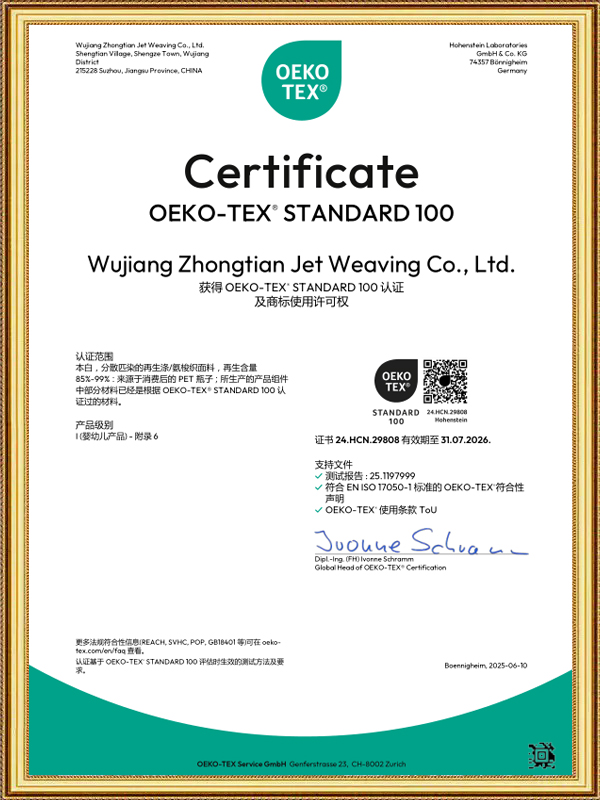
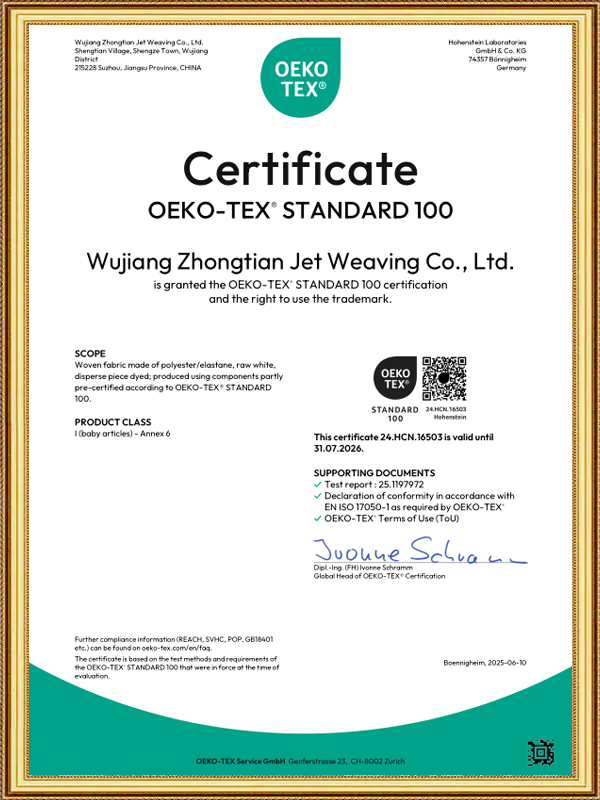
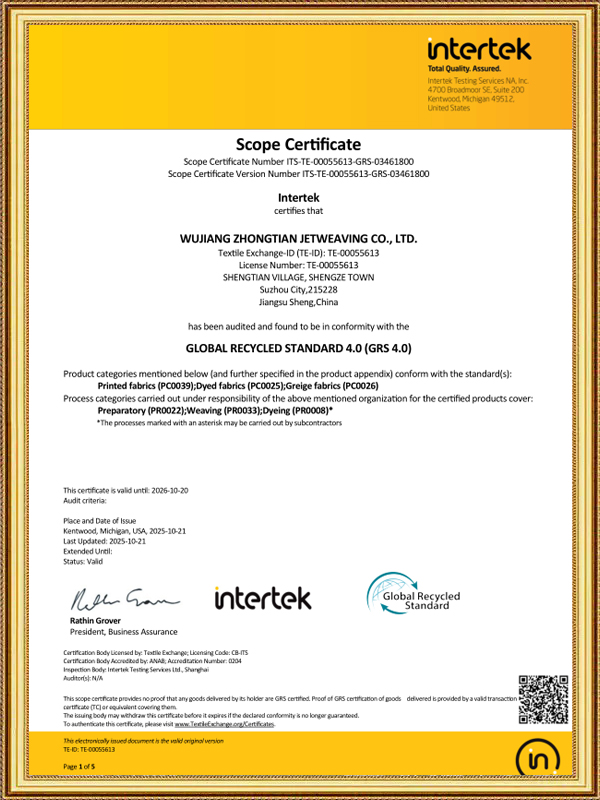
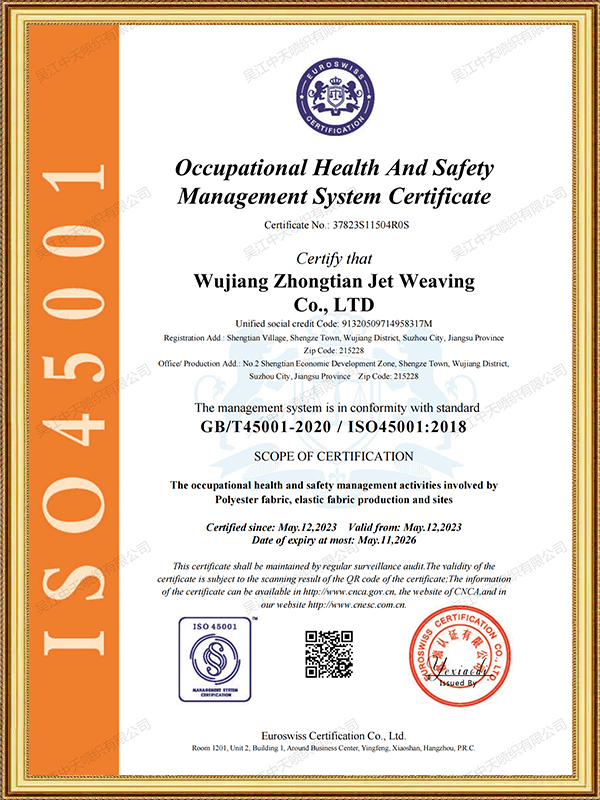
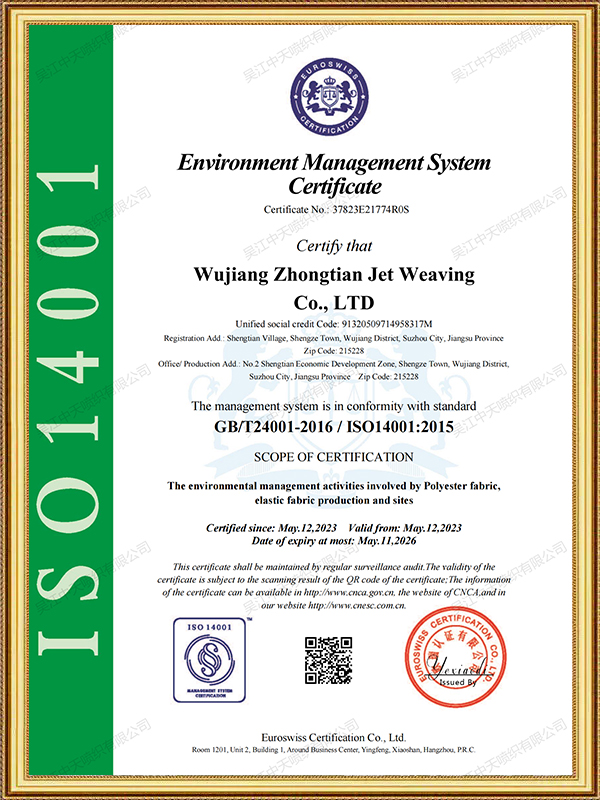
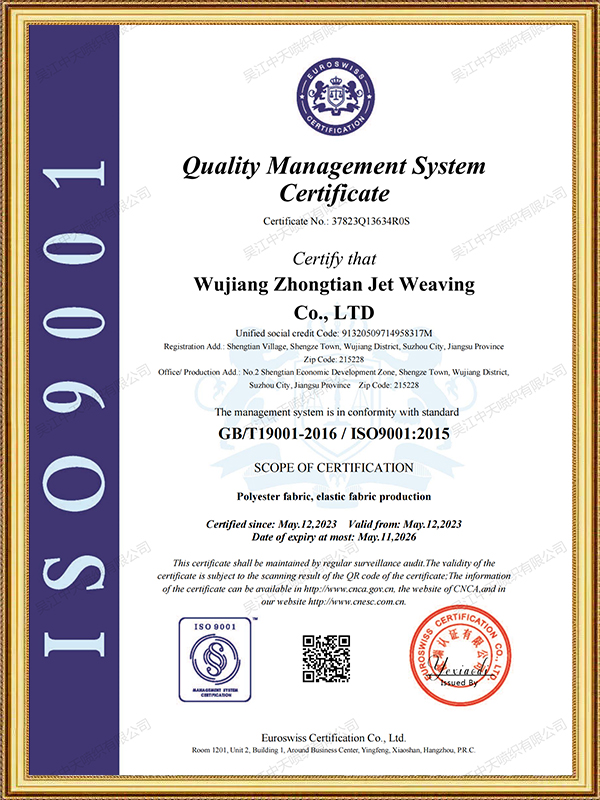
Wujiang Zhongtian Jetweaving Co., LTD. demonstrates a clear advantage through years of deep cultivation in the field of functional fabrics. The company not only possesses integrated capabilities from weaving and dyeing to sales, but has also established a quality control system that exceeds industry standards, ensuring more stable and reliable functional performance in each batch of fabric.
Technology and Process: The Key to Quality
Raw Material Selection
The performance of four-way stretch beach fabric is not determined by a single factor, but rather by the synergy of multiple stages including raw materials, weaving, and finishing. From a raw material perspective, high-quality polyester or nylon is typically used as the main component, with an appropriate amount of spandex added to impart elasticity.
Controlling the proportion is extremely crucial; too much will affect durability, while too little will fail to achieve the desired elasticity.
Advanced Weaving Technology
The weaving process is equally important. Advanced air-jet loom technology ensures the uniformity of the fabric structure, making the fabric more evenly stressed during stretching, thereby improving its overall lifespan.
As one of the representative weaving enterprises in Shengze, Wujiang Zhongtian Jetweaving Co., LTD. has accumulated over 30 years of experience in this field, continuously upgrading its equipment and processes to ensure that its products remain at the forefront of the industry.
Dyeing and Finishing Value
During the dyeing and finishing stage, fabrics are given additional value. For example, environmentally friendly dyes are used to achieve high color saturation and durability, while functional finishing enhances moisture-wicking and UV protection properties. These details ultimately determine whether a product can enter the mid-to-high-end market.
Fashion Expression: Functional Fabrics Can Also Be "Great-Looking"
Design Meets Function
Many people mistakenly believe that functional fabrics are more about "practicality," ignoring their potential in fashion. In fact, four-way stretch beach fabric is a prime example of the fusion of function and design.
Enhanced Aesthetics
Due to its excellent stretch, this type of fabric can better conform to the curves of the human body, making the silhouette of clothing more streamlined. At the same time, four-way stretch fabric also has greater adaptability in printing and dyeing, allowing for more delicate and richer visual effects.
Market Trend
This is precisely why more and more international brands are beginning to use four-way stretch fabric in their Athleisure collections—it not only meets the needs of sports but also aligns with the aesthetic trends of everyday wear.
Wujiang Zhongtian Jetweaving Co., LTD. has long focused on mid-to-high-end product lines, continuously guiding market trends through ongoing R&D and seasonal new product launches, extending functional fabrics beyond "professional uses" to a wider range of consumer scenarios.
FAQ
Q1: What products are suitable for four-way stretch beach fabric?
It's suitable not only for swimwear, beach shorts, and surfwear, but also widely used in yoga wear, sportswear, and everyday casual wear.
Q2: Will four-way stretch fabric easily deform?
High-quality products have good resilience and are not easily deformed under normal use and washing conditions.
Q3: Is this fabric breathable? Will it feel stuffy in summer?
High-quality four-way stretch fabrics typically have good breathability and moisture-wicking properties, making them ideal for summer wear.
Q4: How to judge the quality of fabric?
You can judge it comprehensively by considering factors such as hand feel, elastic recovery, color fastness, and functional labels (e.g., UPF, quick-drying).



 English
 한국어
한국어 Español