

 English
 한국어
한국어 Español
Content
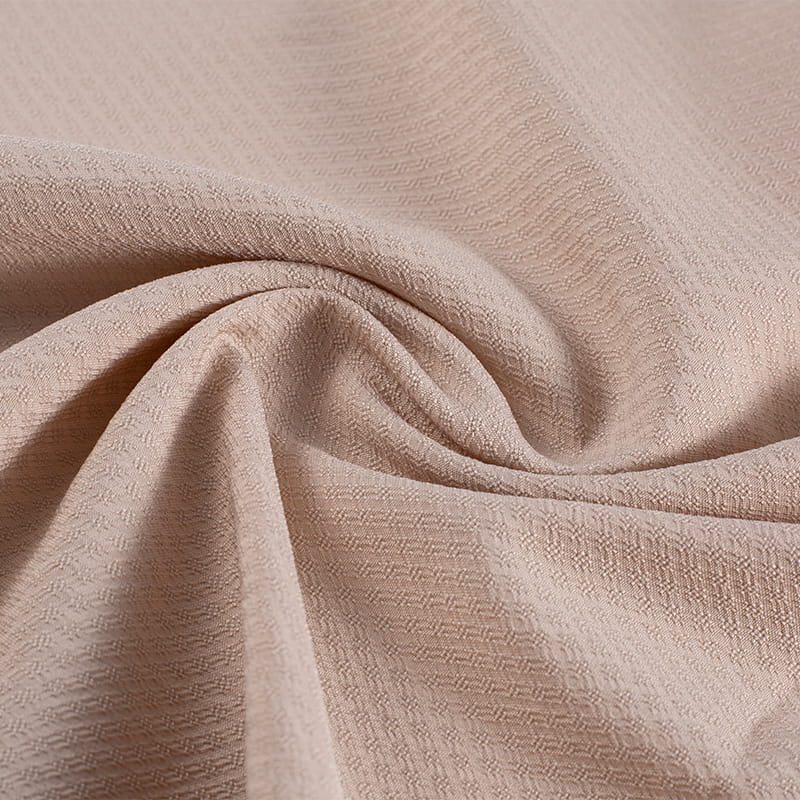
Direct answer: Nylon Jacquard Fabric is a woven textile with patterns built directly into the weave structure using nylon yarn, prized for its strength, smooth surface, and ability to hold intricate designs without printing. It works best for garments and accessories needing durability plus a refined pattern, such as jackets, bags, and activewear, while polyester jacquard tends to suit applications prioritizing color vibrancy and lower cost over raw strength.
Abrasion Resistant
Nylon fiber withstands repeated friction far better than most synthetic alternatives, holding pattern definition through years of wear.
Lightweight Strength
Delivers a high strength to weight ratio, which is why it dominates outdoor gear and performance apparel lines.
Moisture Management
Dries faster than cotton blends and resists water absorption, useful for rainwear and sportswear applications.
Pattern Depth
Woven jacquard patterns create texture and dimension that flat printed fabric cannot replicate.
What Nylon Jacquard Fabric Is Used For
Because the pattern is woven rather than printed, nylon jacquard holds its design permanently, even after heavy washing or abrasion. This durability drives its use across several product categories:
| Application | Why Nylon Jacquard Fits |
| Outerwear and jackets | Handles repeated flexing and outdoor exposure without pattern fading |
| Backpacks and bags | Resists tearing and abrasion from daily handling and contact points |
| Activewear and sportswear | Lightweight structure supports stretch and moisture wicking finishes |
| Home textiles and upholstery accents | Durable weave holds up under frequent contact and cleaning |
| Footwear panels | Combines flexibility with strength for structured yet breathable uppers |
Is Nylon Or Polyester Better For Jacquard Fabric
Both fibers can be woven into jacquard patterns, but they perform differently depending on the end use. Neither is universally better, the right choice depends on priorities.
Nylon Jacquard
- Higher abrasion and tear resistance
- Better strength to weight ratio
- Slightly higher production cost
- Preferred for gear exposed to heavy wear
Polyester Jacquard
- Holds vivid color and dye saturation well
- More resistant to UV fading over time
- Generally lower material cost
- Common in home decor and fashion apparel
For products where physical durability under stress matters most, such as backpacks or technical outerwear, nylon jacquard is the stronger pick. For decorative apparel or home textiles where color fastness and cost efficiency matter more than raw abrasion resistance, polyester jacquard often makes more practical sense.
Custom Nylon Jacquard Fabric Considerations
Brands developing a custom pattern rather than buying stock fabric need to plan around a few production realities that affect both cost and turnaround time.
- Pattern repeat size: larger, more detailed jacquard patterns require more complex loom setup and typically raise minimum order quantities.
- Yarn denier selection: lighter deniers around 70D to 100D suit apparel, while heavier deniers above 200D suit bags and structured gear.
- Color count in the weave: each additional yarn color woven into the pattern adds setup complexity and cost, so most custom runs stay within 2 to 4 colors for practical pricing.
- Finish treatment: water repellent or anti-static finishes can be applied after weaving, but should be specified early since they affect fabric hand feel and testing.
- Sample lead time: loom setup for a new custom pattern typically takes longer than standard fabric, so build in extra time before bulk production begins.
How To Choose A Nylon Jacquard Fabric Supplier
Supplier quality varies widely even among manufacturers claiming the same fabric specifications. These checkpoints separate a dependable partner from a risky one.
Request physical fabric swatches before committing to bulk order, since color and hand feel rarely translate accurately through photos alone.
Ask for tear strength and abrasion test results, ideally referencing a recognized testing standard rather than a general claim.
Confirm minimum order quantity for custom patterns versus stock designs, since custom setups often carry significantly higher minimums.
Verify dye lot consistency practices, since jacquard weaving with multiple yarn colors is more prone to batch variation than solid fabric.
Review their weaving capacity and typical lead time, especially if the pattern requires specialized loom setup not used in their standard production.
Durable Nylon Jacquard Textile Care Tips
Even a strong fabric benefits from correct handling to preserve pattern clarity and fiber strength over time.
| Care Step | Recommendation |
| Washing | Cold water with mild detergent preserves color and prevents fiber weakening from heat exposure |
| Drying | Air drying or low heat tumble dry avoids shrinkage and surface glazing on the woven pattern |
| Ironing | Low heat setting only, since nylon fibers can scorch or melt under high direct heat |
| Storage | Keep away from prolonged direct sunlight to slow gradual UV related fiber degradation |
Frequently Asked Questions
Can nylon jacquard fabric be dyed after weaving. Yes, piece dyeing after weaving is common for solid background colors, though the jacquard pattern itself is already built from the yarn colors used during weaving.
Is nylon jacquard fabric breathable. It offers moderate breathability depending on weave density, generally less breathable than cotton but more breathable than coated synthetic fabrics.
Does the fabric shrink after washing. Quality nylon jacquard shrinks minimally when washed in cold water, typically under 2 percent, though heat exposure during drying increases shrinkage risk.
What weight range suits most apparel projects. Most clothing applications work well in the 120 to 250 grams per square meter range, with bags and structured items typically using heavier weights above that range.