Outdoor Hiking Leisure Fabrics: The Ultimate Guide to Performance, Comfort, and Sustainability
In the realm of modern outdoor apparel, the fabric is no longer just a component; it is the very technology that enables adventure. For enthusiasts who transition from rugged mountain trails to casual urban settings, demand for textiles that deliver unparalleled performance without compromising comfort has never been higher. At Wujiang Zhongtian Jetweaving Co., LTD., we leverage over three decades of textile innovation to define the standards of Outdoor Hiking Leisure Fabrics. We engineer materials that provide protection, freedom of movement, and enduring durability, acting as a silent partner in every journey. Our commitment to research and development ensures that our middle- to high-end product lines not only meet but also anticipate the evolving needs of the global market, from North America to Oceania.
Defining the Modern Outdoor Hiking Leisure Fabric
The contemporary Outdoor Hiking Leisure Fabric is a sophisticated system of engineered polymers and weaves. It must perform a delicate balancing act: shielding the wearer from wind, water, and abrasion while simultaneously wicking moisture away to prevent overheating. Unlike traditional textiles, these fabrics are defined by quantifiable performance metrics. We engineer our fabrics to achieve specific benchmarks in tensile strength, elasticity, and environmental resistance, ensuring they are fit for the diverse demands of hiking, climbing, and casual leisure wear.
Core Performance Characteristics
To truly understand the value of a high-performance fabric, one must look beyond the surface and examine the specific properties engineered into every fiber. The following characteristics are non-negotiable for premium Outdoor Hiking Leisure Fabrics:
- Mechanical Stretch & Recovery: True 4-way stretch (woven with elastane, such as 40D spandex) allows for complete freedom of movement. A premium fabric should exhibit a high immediate recovery rate (over 80%) to prevent bagging and ensure the garment retains its shape even after strenuous activity .
- Durable Water Repellency (DWR): Modern, eco-conscious DWR finishes, such as PFC-Free treatments, cause water to bead up and roll off the fabric's surface. This is the first line of defense against light rain and snow, and it prevents the fabric from becoming waterlogged, which keeps the wearer light and dry.
- Breathability & Moisture Management: As exertion levels rise, the fabric must expel vaporized perspiration. Breathability is often measured by RET (Evaporative Resistance) values, where a lower number indicates superior moisture vapor transmission. This prevents the "vapor barrier" effect that leads to clamminess and chill.
- Abrasion & Tear Resistance: In harsh outdoor environments, fabrics encounter constant friction against rock, brush, and gear. High-tenacity yarns, often nylon-based, are engineered to withstand significant abrasion (tested via Martindale or Wyzenbeek methods) and tearing forces, ensuring long-lasting durability.
Material Science: From Yarn to Finish
The journey of a roll of fabric begins with the selection of raw materials and the application of advanced finishing techniques. Our expertise lies in combining these elements to create a cohesive high-performance textile. The choice between nylon and polyester, for instance, dictates the fabric's strength-to-weight ratio, while the finishing process defines its interaction with the elements.
Advanced Yarn Technologies
The foundation of any high-performance fabric is its yarn structure. We utilize a range of specialized yarns to achieve specific functional goals:
- Solution-Dyed Yarns: Color is added during the polymer solution stage, before the fiber is extruded. This results in exceptional colorfastness and UV resistance, as the pigment is locked deep within the fiber, preventing fading even after prolonged sun exposure.
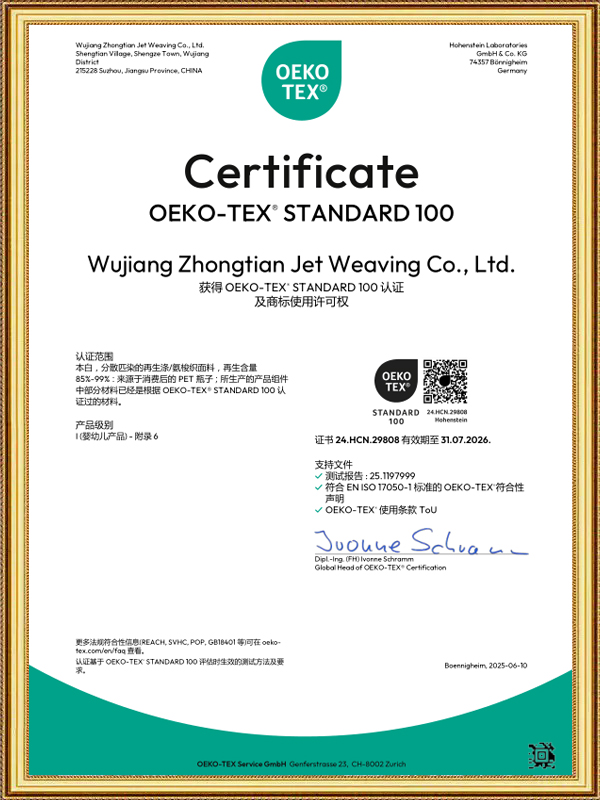
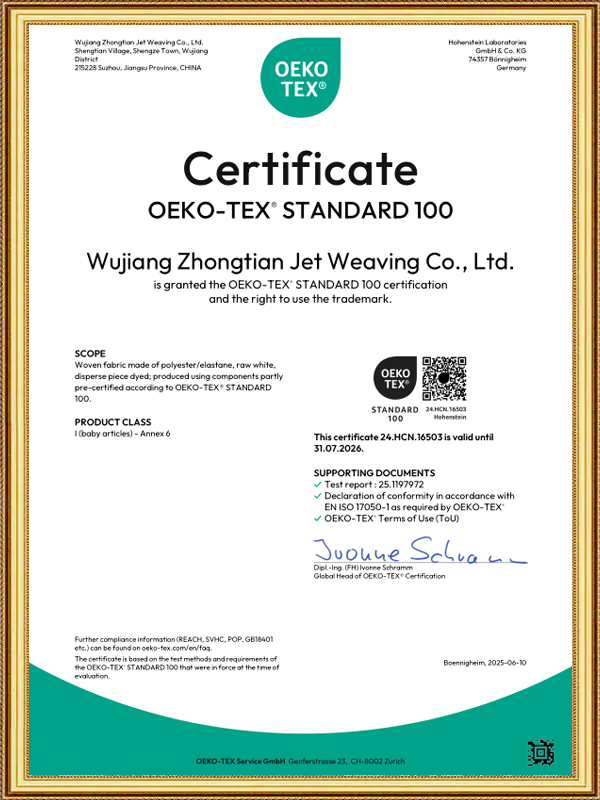
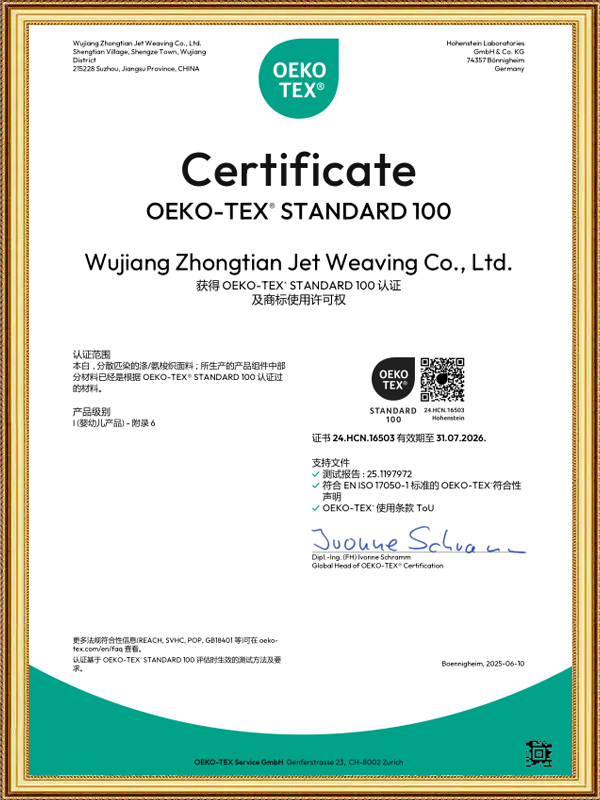
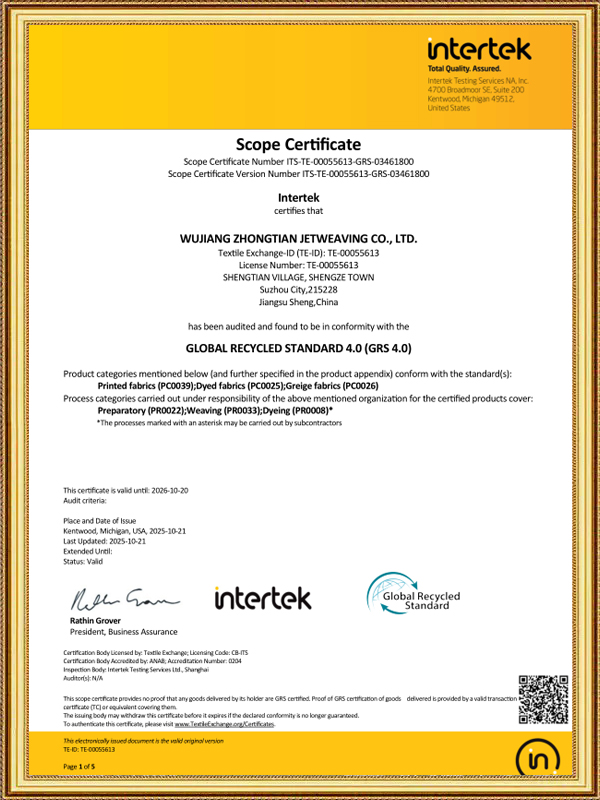
- Recycled Nylon & Polyester: In line with our commitment to sustainability, we integrate recycled fibers that meet stringent environmental certifications like Oeko-Tex and support a circular economy without sacrificing performance
- High-Tenacity & Textured Yarns: Combining fine denier yarns for a soft hand with coarser, high-strength yarns at weave intersections creates a fabric that is both comfortable against the skin and exceptionally resistant to tearing
Key Performance Indicators (KPIs) Comparison
To specify the right material for an application, it's crucial to compare the measurable outcomes of different fabric technologies. The table below illustrates how we benchmark our Outdoor Hiking Leisure Fabrics against industry standards.
| Performance Attribute |
Industry Standard Test |
Zhongtian Performance Benchmark |
Benefit to Wearer |
| Water Resistance |
ISO 811 (Hydrostatic Head) |
8,000mm+ (with laminate) / DWR 90+ |
Stay dry in prolonged rain and wet conditions. |
| Moisture Vapor Permeability |
ASTM E96 / ISO 11092 (RET) |
RET < 9 (Extremely Breathable) / 3,000 g/m²/24hrs+ |
Prevents overheating and condensation buildup inside the garment |
| Durability (Abrasion) |
ASTM D4966 (Martindale) |
> 50,000 cycles (for heavy-duty styles) |
Long-lasting resistance to wear from backpacks and rough terrain. |
| Elastic Recovery |
ASTM D3107 |
> 80% Recovery Rate |
Garments retain shape and fit, preventing sagging at knees and elbows. |
| UV Protection |
AS/NZS 4399 |
UPF 50+ (Excellent Protection) |
Blocks 98% of harmful ultraviolet radiation during high-exposure activities |
Innovative Fabric Constructions for the Outdoors
The specific architecture of the fabric—whether it is a simple woven, a complex multi-layer laminate, or an insulating fleece—determines its final application. We specialize in creating versatile textiles that excel in the "Athleisure" and "Outdoor" crossover, suitable for everything from a technical summit push to a relaxed weekend hike.
Woven Stretch Wovens
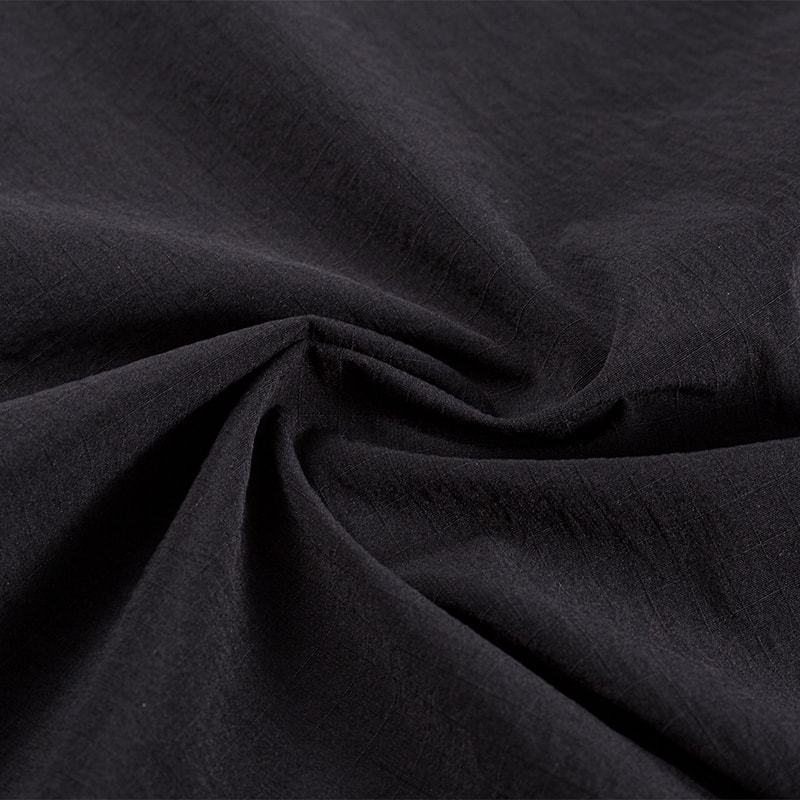
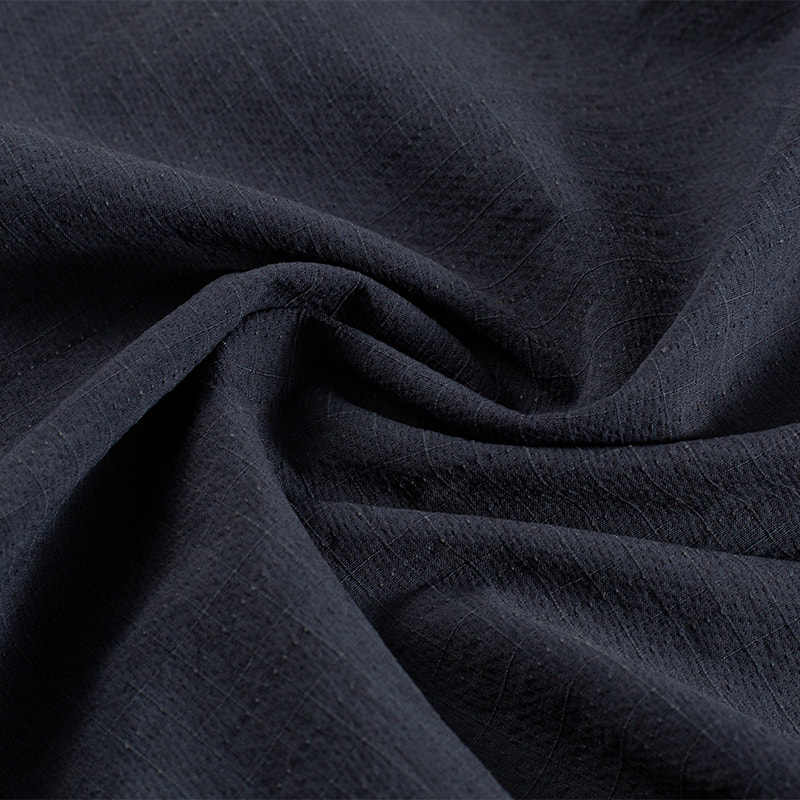
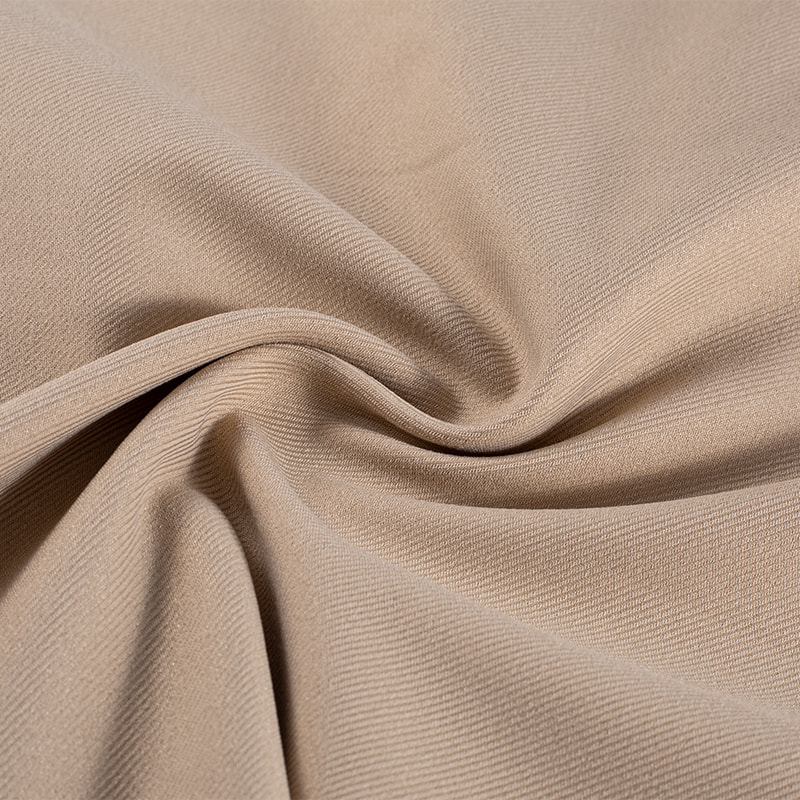
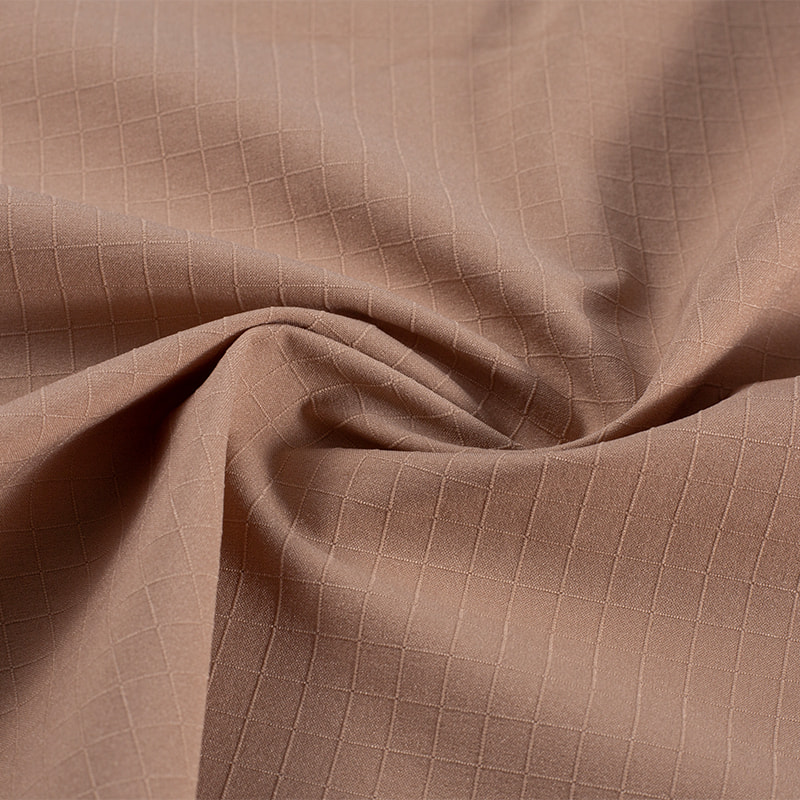
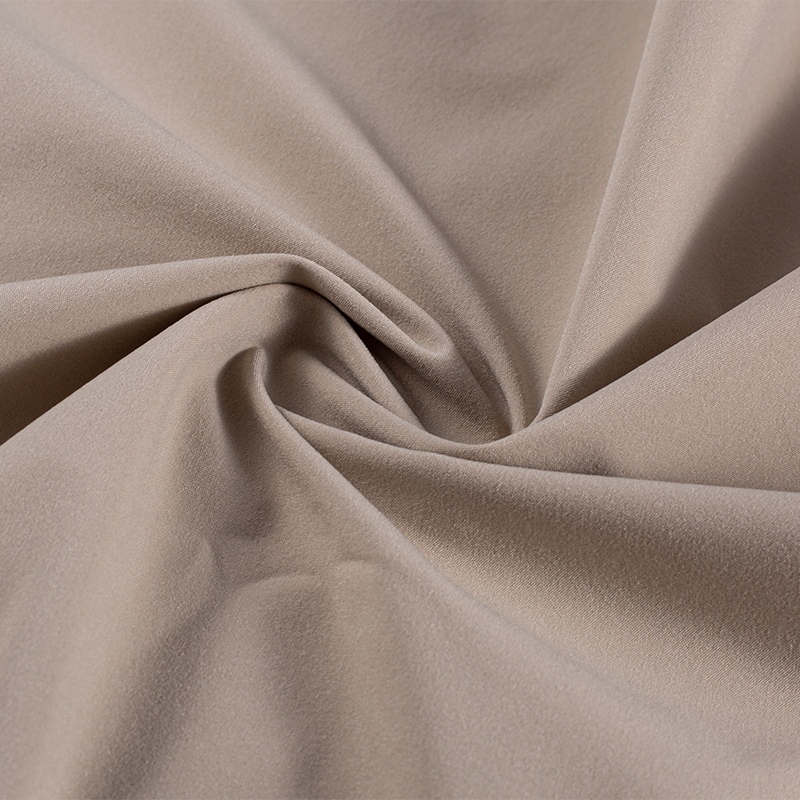
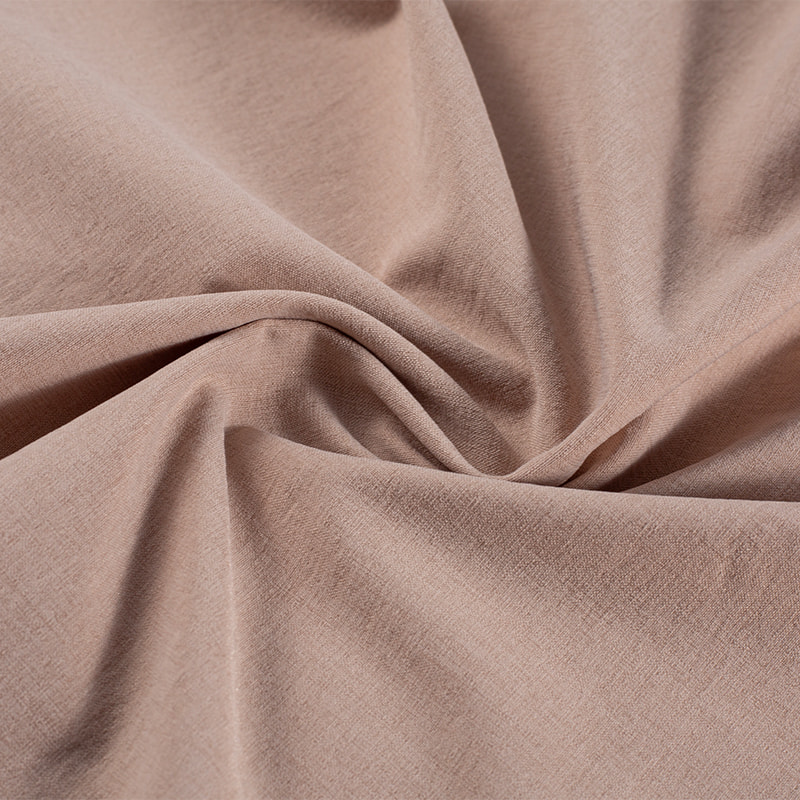
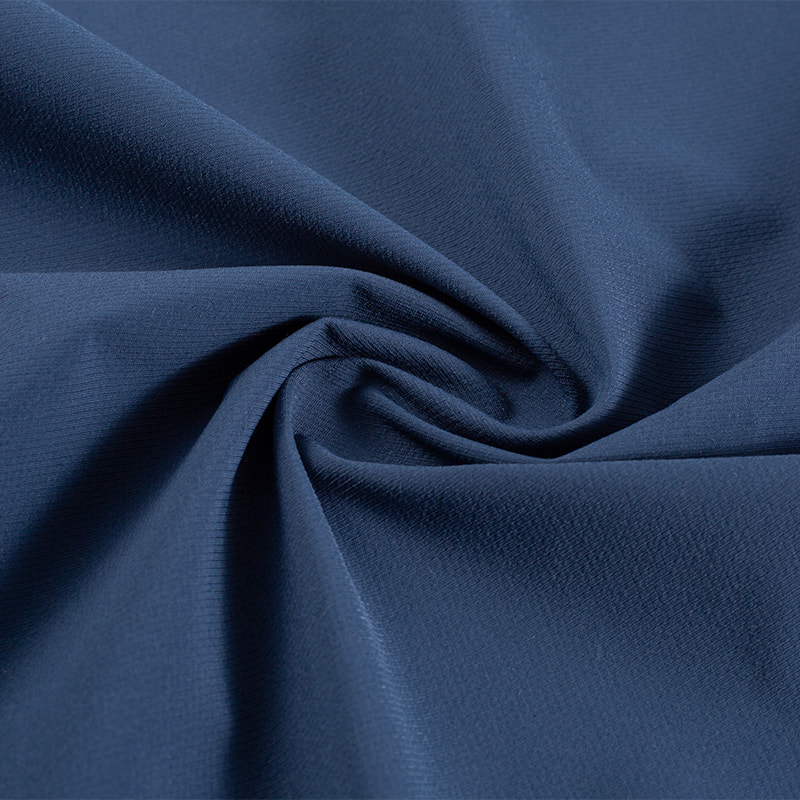
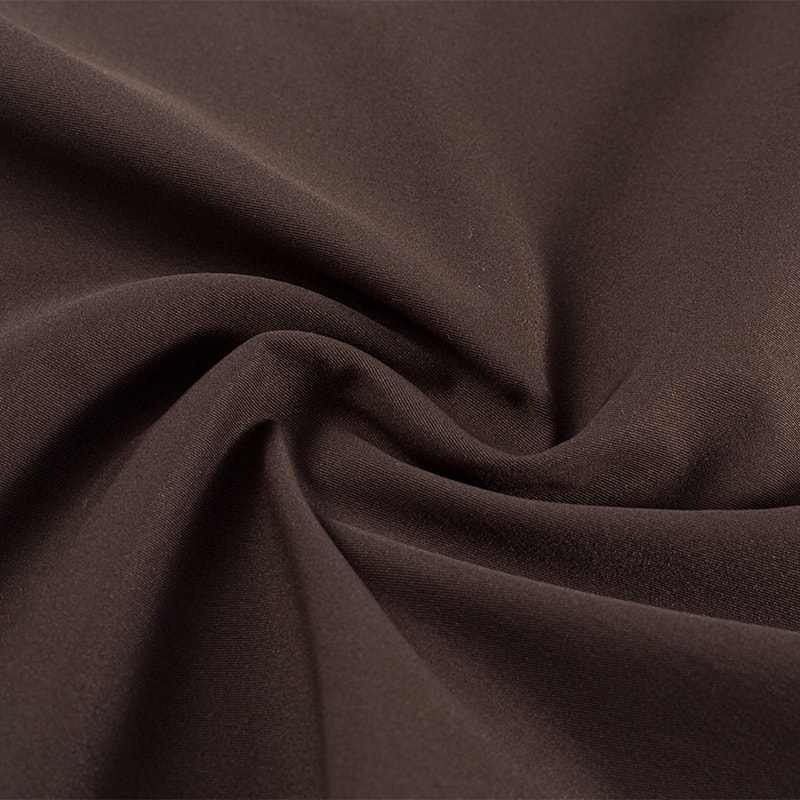
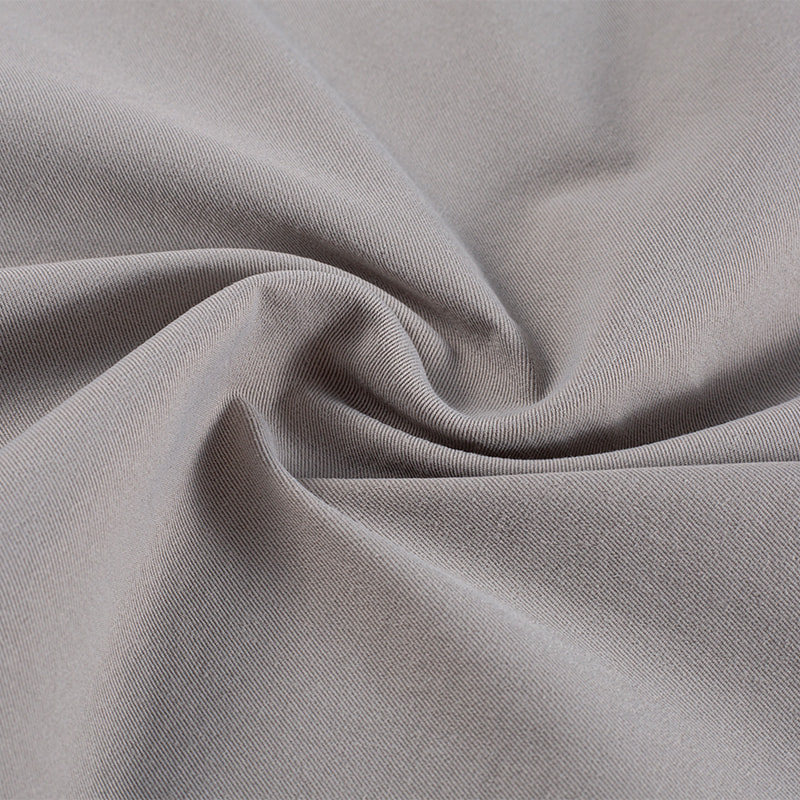
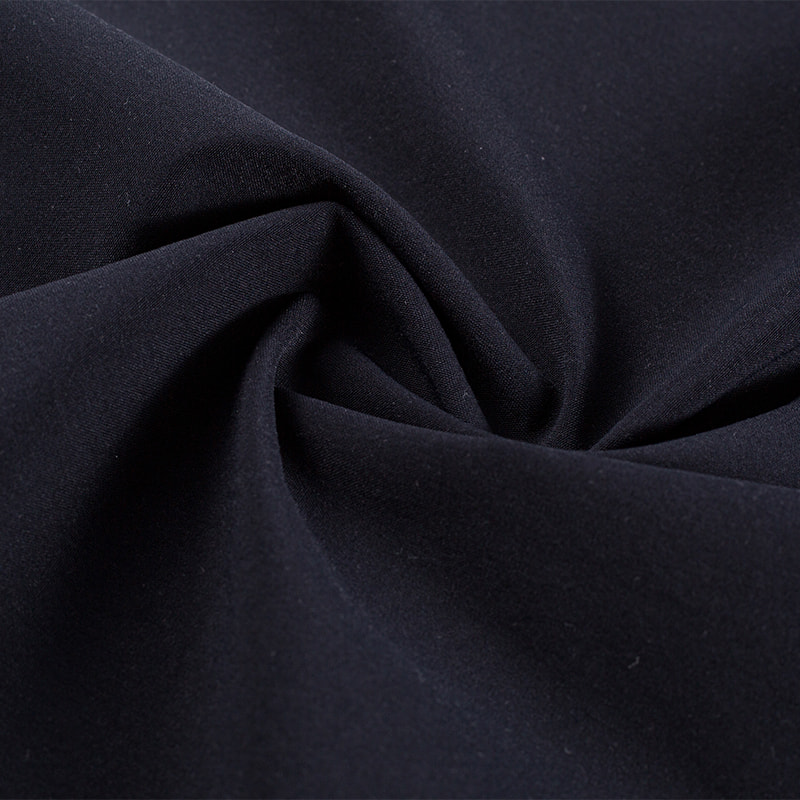
Modern hiking pants and shirts utilize advanced weaving techniques that incorporate elastane or mechanically crimped yarns to provide stretch within a woven structure. This offers the durability and structure of a woven fabric with the flexibility of a knit. Our "Jetweaving" technology ensures precision and consistency, creating fabrics with a clean, comfortable hand feel and the necessary mechanical give for dynamic movement. The integration of a PFC-Free DWR finish makes these ideal for softshell jackets and trekking trousers that need to shrug off light moisture while remaining highly breathable.
Multi-Layer Laminates
For extreme weather protection, fabric engineering reaches its pinnacle in multi-layer constructions. A typical 2.5 or 3-layer laminate bonds a durable face fabric to a waterproof, breathable membrane (such as microporous TPU) and a protective inner layer. This creates an impenetrable barrier against wind and rain while allowing sweat vapor to escape. These laminates are essential for hardshell jackets designed for alpine environments, where survival depends on maintaining a dry microclimate inside the garment.
Performance Fleece and Insulation
While wovens provide the outer shell, leisure and mid-layer comfort often come from advanced fleece structures. The primary function of a fleece component is to trap dead air within its texture, which acts as a natural insulator. The brushed surface of a high-quality fleece increases this air-trapping volume. To ensure this component lasts, we validate it through rigorous pilling resistance tests and wash durability assessments, ensuring that the insulation properties—and the garment's appearance—remain intact for years.
Sustainability and Certifications
As a leading manufacturer, we recognize our responsibility to drive the industry towards a more sustainable future. This is not just a trend but a core pillar of our product development. We integrate eco-conscious practices without ever compromising on the technical integrity of our Outdoor Hiking Leisure Fabrics.
- PFC-Free DWR: We have transitioned to fluorine-free water repellent finishes. These advanced treatments utilize hydrocarbon or silicone-based chemistries to create a durable hydrophobic layer, ensuring compliance with stringent global regulations like REACH while protecting our ecosystems.
- Recycled Materials: Our Recycle Nylon Durable Fabrics are a testament to our commitment to the circular economy. By repurposing pre- and post-consumer waste into high-tenacity yarns, we significantly reduce the carbon footprint of our textiles.
- Resource Efficiency: From water management in our dyeing processes to the elimination of harmful chemicals, our quality control systems are designed to exceed industry norms, ensuring that our products are safe for both the wearer and the planet.
FAQ: Your Questions on Outdoor Hiking Leisure Fabrics Answered
What is the difference between a DWR finish and a waterproof membrane?
This is a common point of confusion, but they serve two distinct and complementary purposes. A DWR (Durable Water Repellent) finish is a chemical treatment applied to the outermost surface of the fabric. Its job is to cause water to bead up and roll off. This prevents the outer fabric from becoming saturated with water, which is crucial because a wet face fabric can trap body vapor and make the garment feel clammy. More importantly, it prevents the outer layer from "wetting out," which would block the membrane's pores and stop it from breathing.
A waterproof membrane (like TPU or ePTFE) is a thin, microporous layer typically laminated to the back of the face fabric. These pores are small enough to prevent liquid water droplets from penetrating but large enough to allow water vapor (sweat) molecules to escape. For a garment to be fully waterproof and breathable, you need both a durable DWR to keep the face fabric dry and a functional membrane to act as the ultimate barrier against water ingress while allowing vapor transmission
How do I care for my high-performance outdoor fabrics to make them last longer?
Proper care is essential to maintain the functional properties of technical outdoor gear. Contrary to some beliefs, washing your gear actually prolongs its life, as dirt and body oils can degrade fabric performance and DWR effectiveness. Always follow the manufacturer's care label first, but here are general, in-depth guidelines:
- Cleaning: Use a small amount of mild, liquid detergent. Avoid powder detergents and fabric softeners, as they can leave residues that clog the pores of breathable membranes and attract dirt. Machine wash on a gentle, cool cycle.
- DWR Reactivation/Reapplication: Over time, the DWR finish will wear off. The first sign is the fabric of the face wetting out rather than beading water. You can often reactivate the existing DWR by tumble drying the garment on low heat for 20-30 minutes after washing. If that doesn't work, you can apply a wash-in or spray-on DWR treatment. Ensure the garment is clean before reapplication.
- Drying and Storage: Always air dry your gear in the shade, as prolonged direct UV exposure can degrade fabrics. Ensure the garment is completely dry before storing it in a cool, ventilated space to prevent mildew growth.
What does "solution-dyed" mean, and why is it important for outdoor fabrics?
Solution dyeing is a method of coloring fabric that is vastly superior for outdoor applications compared to traditional piece dyeing. In traditional dyeing, the fabric is woven first (often as a greige or uncolored cloth) and then submerged in a dye bath. The color only adheres to the surface of the fibers. In contrast, solution dyeing adds the pigment to the liquid polymer solution *before* it is extruded into fibers. The color becomes an integral part of the fiber itself.
This has profound implications for performance. Because the color is throughout the fiber, solution-dyed fabrics exhibit exceptional resistance to fading from UV radiation (lightfastness) and chlorine, making them ideal for intense sun exposure. The color is also locked in, so these fabrics are incredibly resistant to crocking (color rubbing off) and are less likely to be damaged by stronger cleaning solutions like mild bleach, should spot-cleaning be necessary.
What is a "4-way stretch" fabric, and why do I need it for hiking?
"4-way stretch" refers to a fabric's ability to stretch in both directions: lengthwise (warp) and widthwise (weft). This is typically achieved by incorporating elastomeric fibers like spandex into the weave or knit. In contrast, "2-way stretch" fabrics usually only stretch in one direction (often the weft). For dynamic outdoor activities like hiking, scrambling, or climbing, 4-way stretch is a significant advantage. It allows the garment to move fluidly with your body in every plane of motion—whether you're taking a high step onto a trail, reaching up for a handhold, or squatting down to set up camp.
This bidirectional flexibility provides an unrestricted range of motion, reduces the energy required to move, and ensures a more comfortable, ergonomic fit that doesn't bind or constrict. It's a key feature for modern hiking pants and softshell jackets, allowing for full mobility without excess bulk.
How is fabric breathability measured, and what number should I look for?
Breathability is a fabric's ability to allow water vapor to pass through it. There are two primary ways it's measured. The first is the **MVTR (Moisture Vapor Transmission Rate)**, often expressed in grams per square meter per 24 hours (g/m²/24hrs). A higher number generally indicates higher breathability. The second, more scientific method is the **RET (Evaporative Resistance) test**, based on the ISO 11092 standard. RET measures the fabric's resistance to vapor passing through. The scale works inversely:
- RET < 6: Extremely breathable (ideal for high-output activities).
- RET 6-12: Very breathable.
- RET 12-20: Breathable (suitable for moderate activities).
- RET > 20: Little to no breathability
The "right" number depends on your activity. For strenuous hiking in a softshell, look for RET < 9 or an MVTR > 10,000 g/m²/24hrs. For a hard shell primarily used for protection in cold, windy conditions, a slightly lower breathability (RET 12-20) is often acceptable in exchange for maximum weather protection.



 English
 한국어
한국어 Español