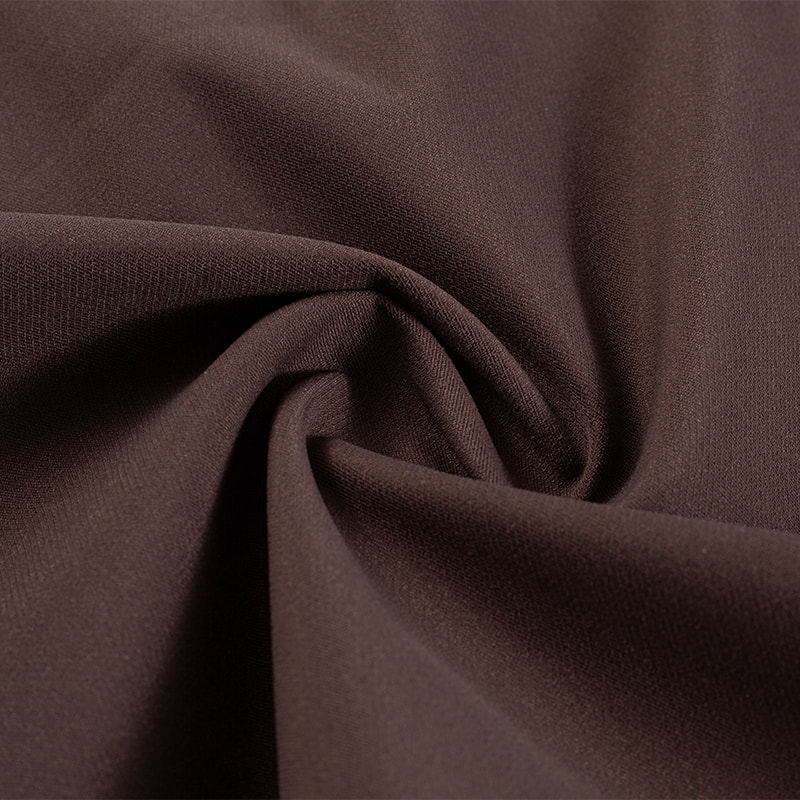
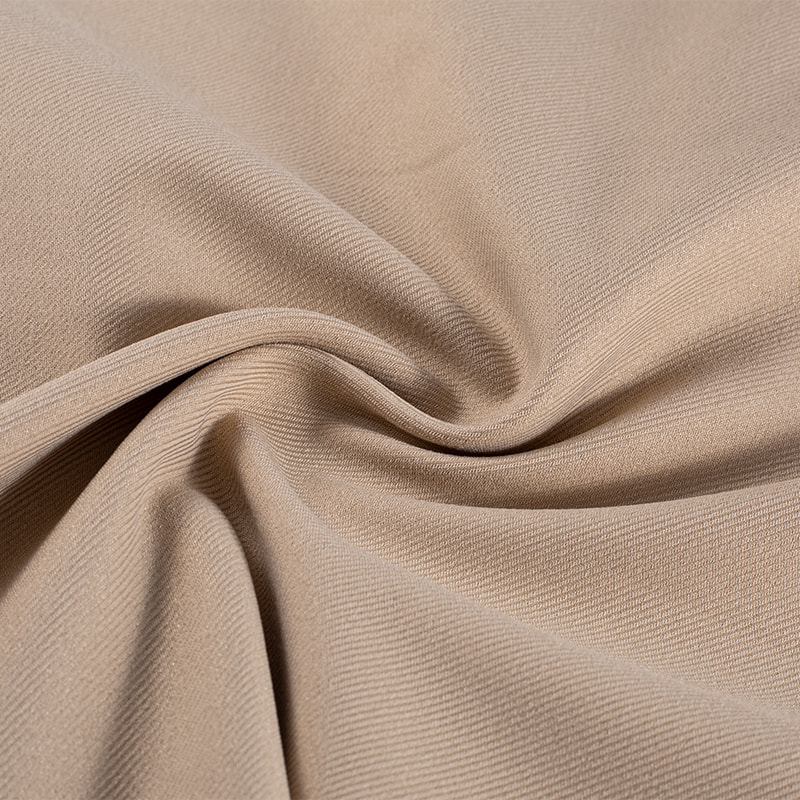
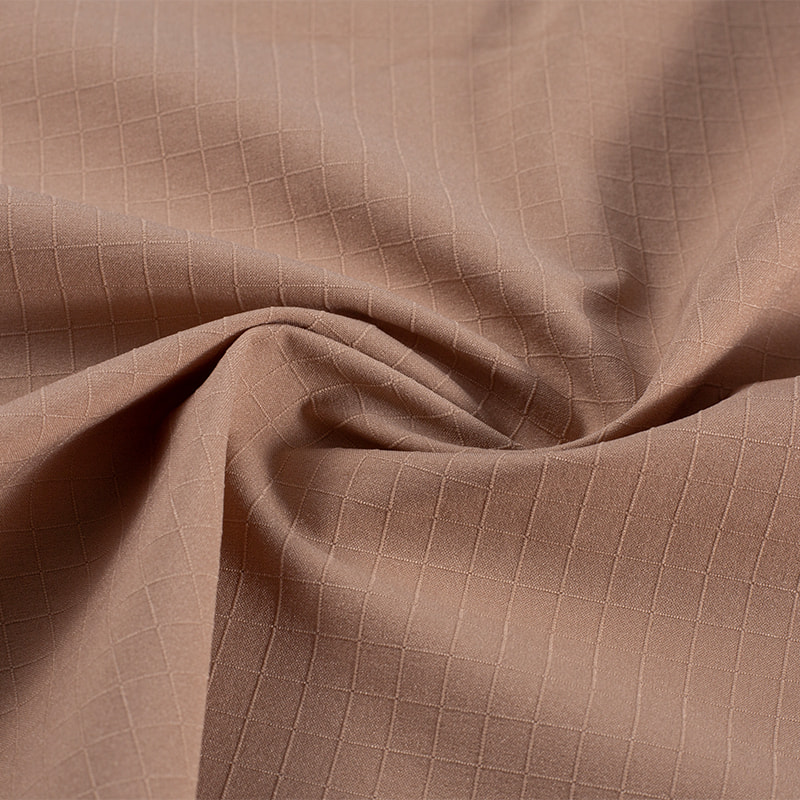
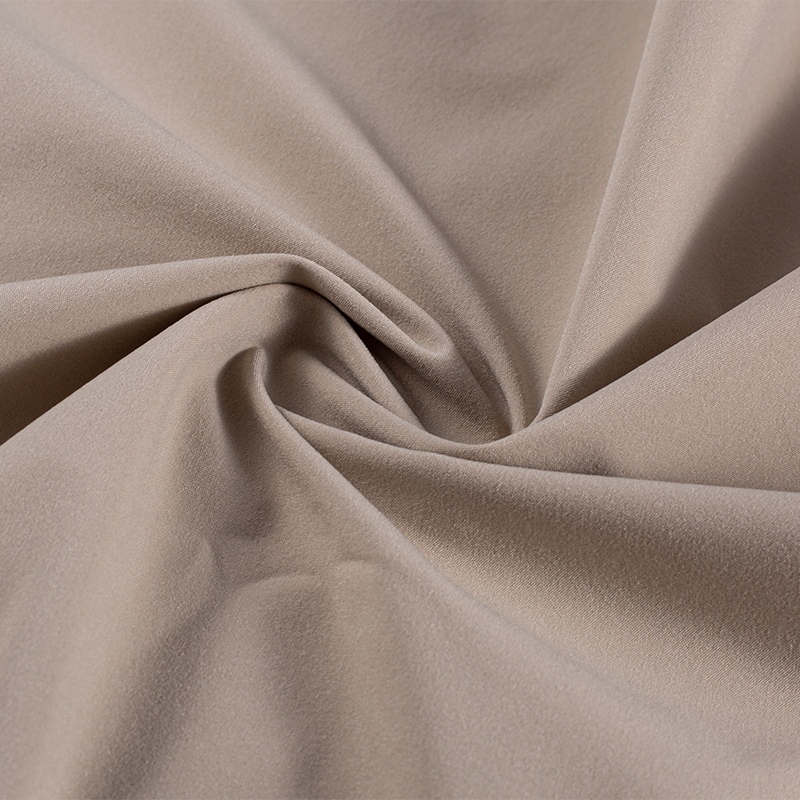
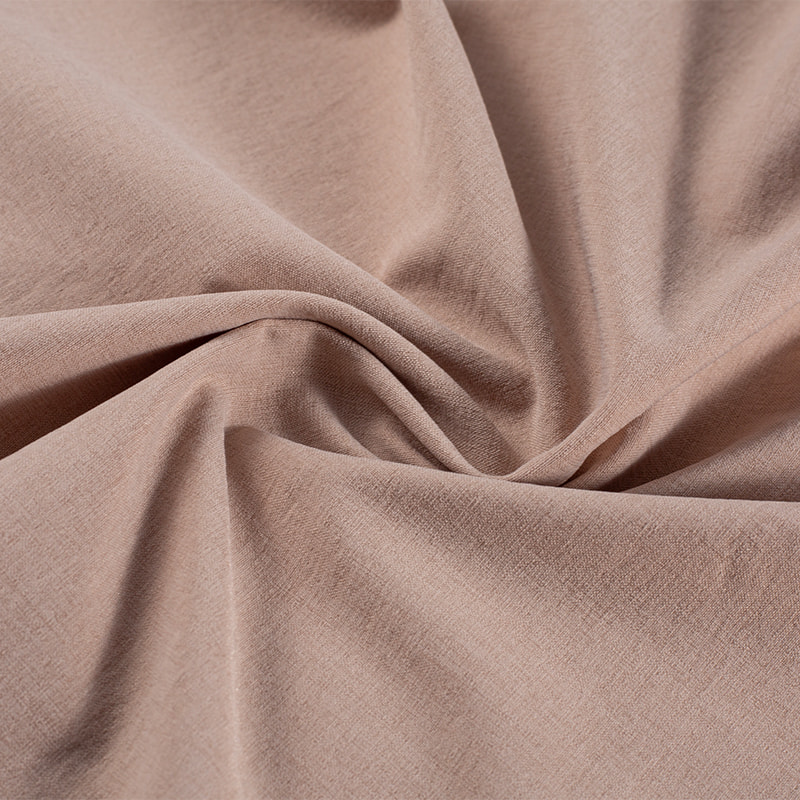
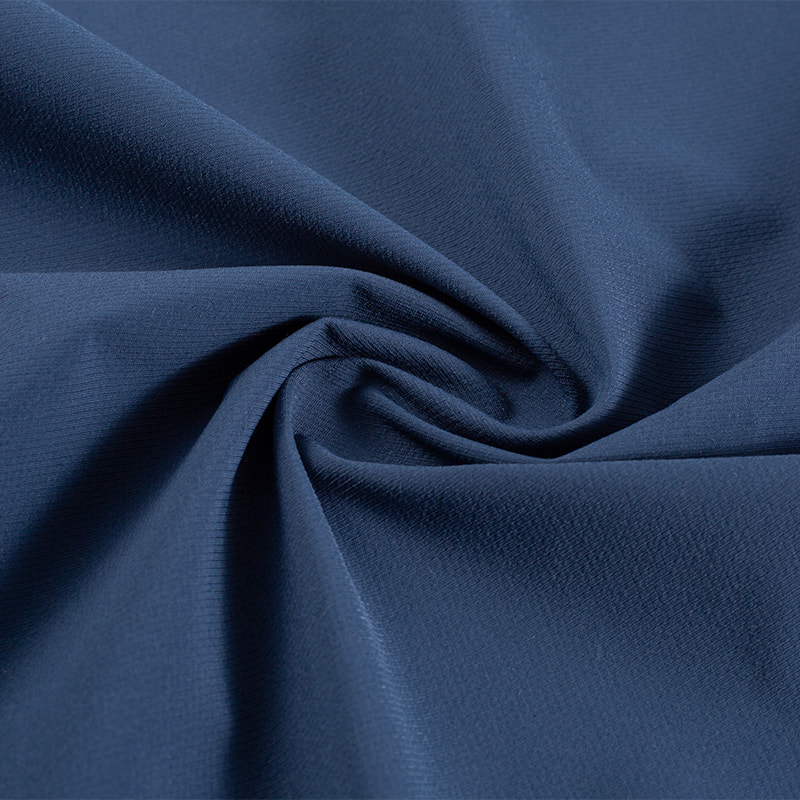
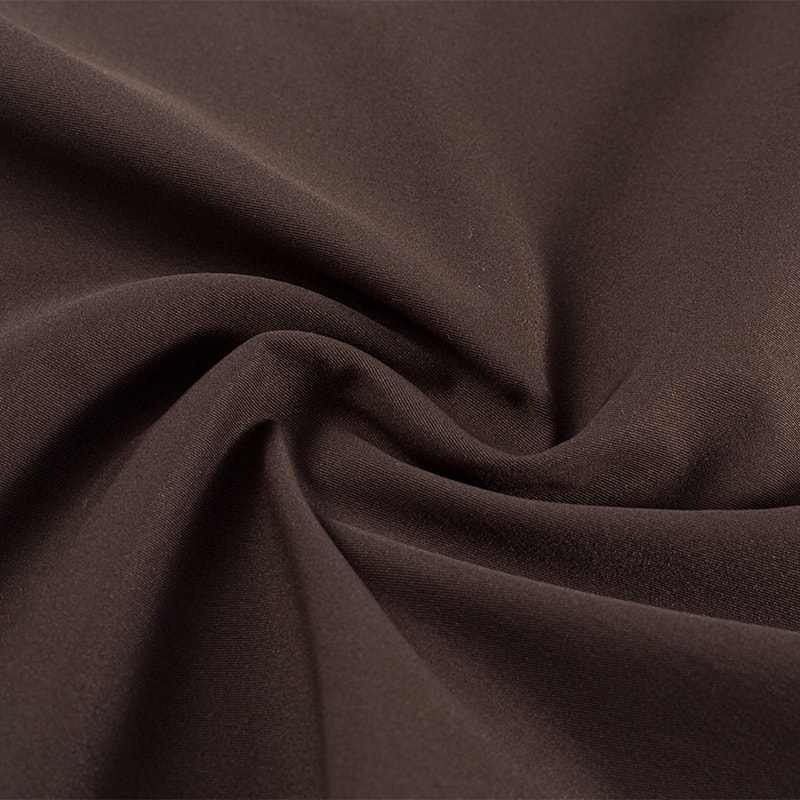
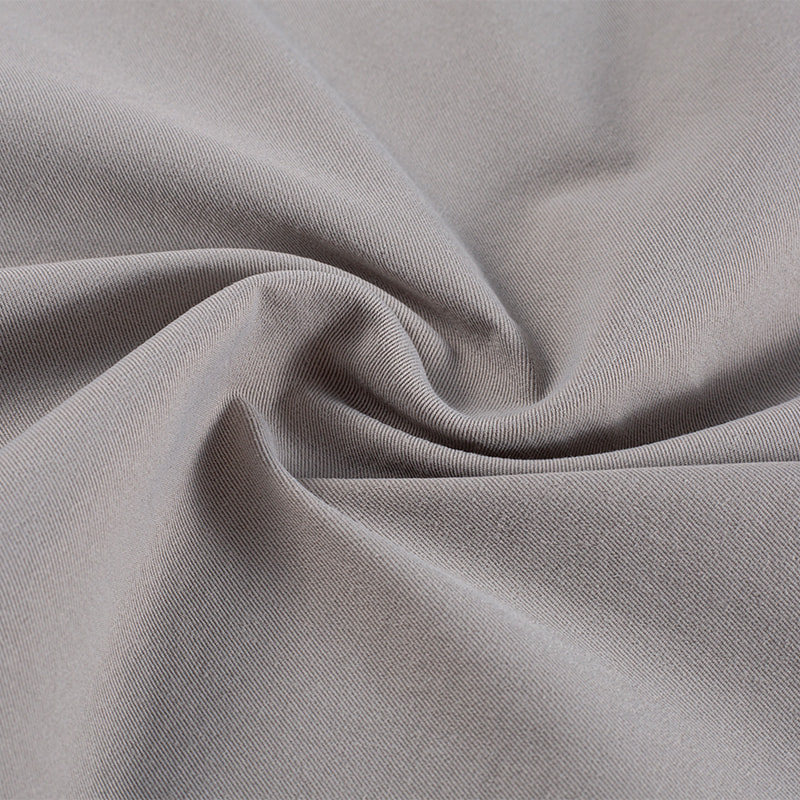
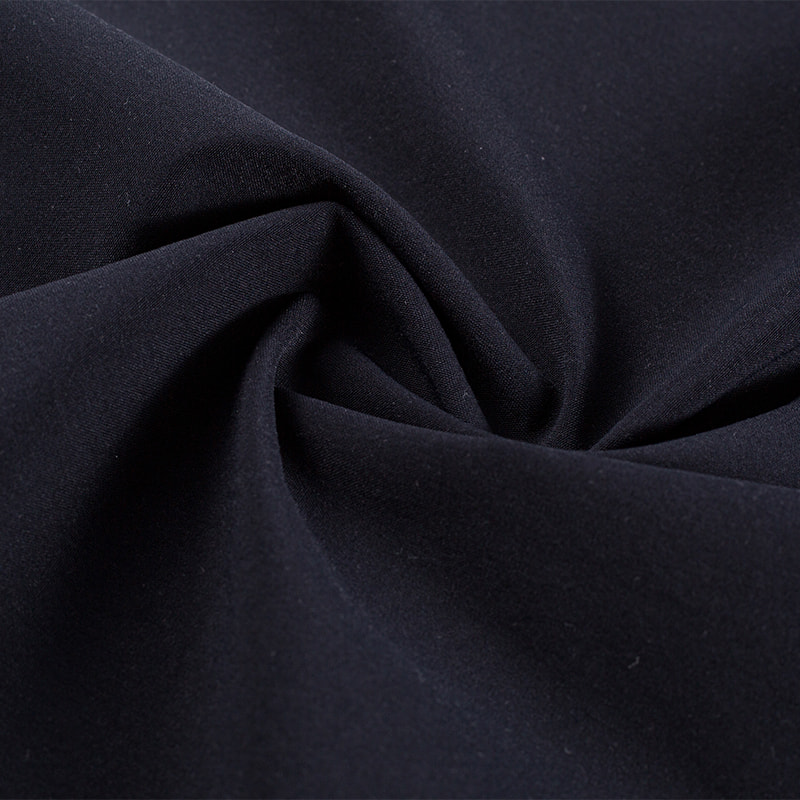
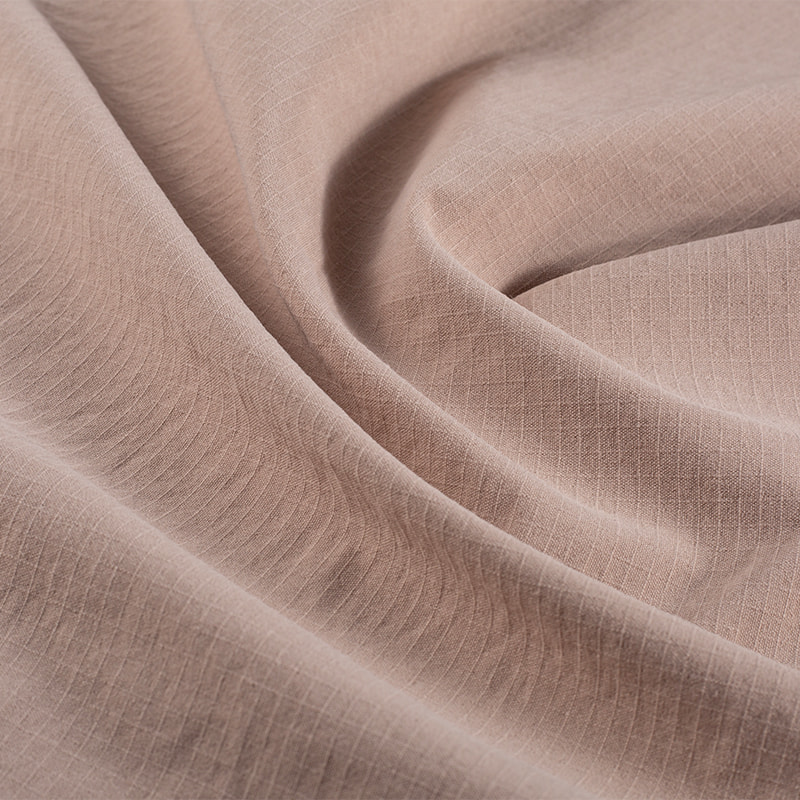
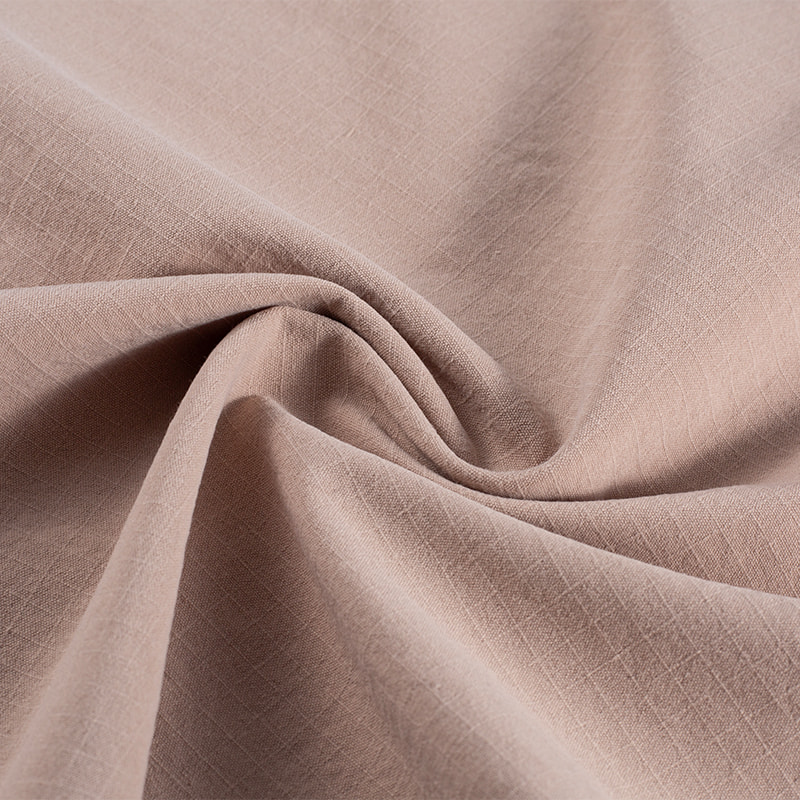
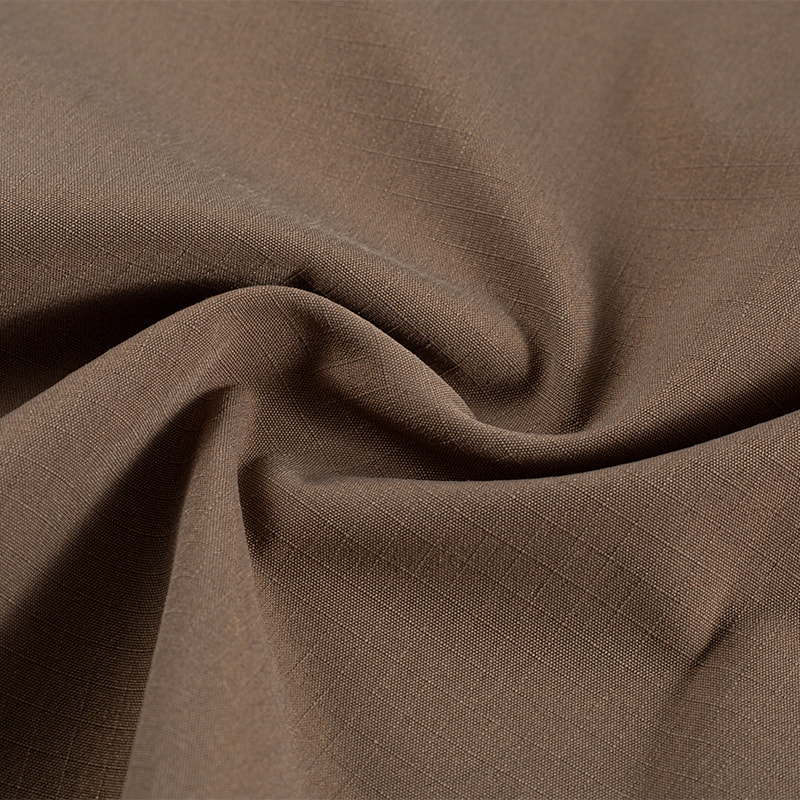
Redefining Sustainability: The Rise of Recycled Leisure Fabrics in Modern Textiles
As the global textile industry shifts towards eco-conscious production, the demand for sustainable materials has transitioned from a niche trend to a standard requirement. Recycled Leisure Fabrics represent the intersection of environmental responsibility and high-performance functionality. These materials are engineered to meet the rigorous demands of modern consumers who seek comfort in their daily activities without compromising on sustainability. With over 30 years of industry experience, our company has witnessed this evolution firsthand, adapting our production capabilities to support brands in their transition towards a greener future.
The Evolution of Sustainable Manufacturing
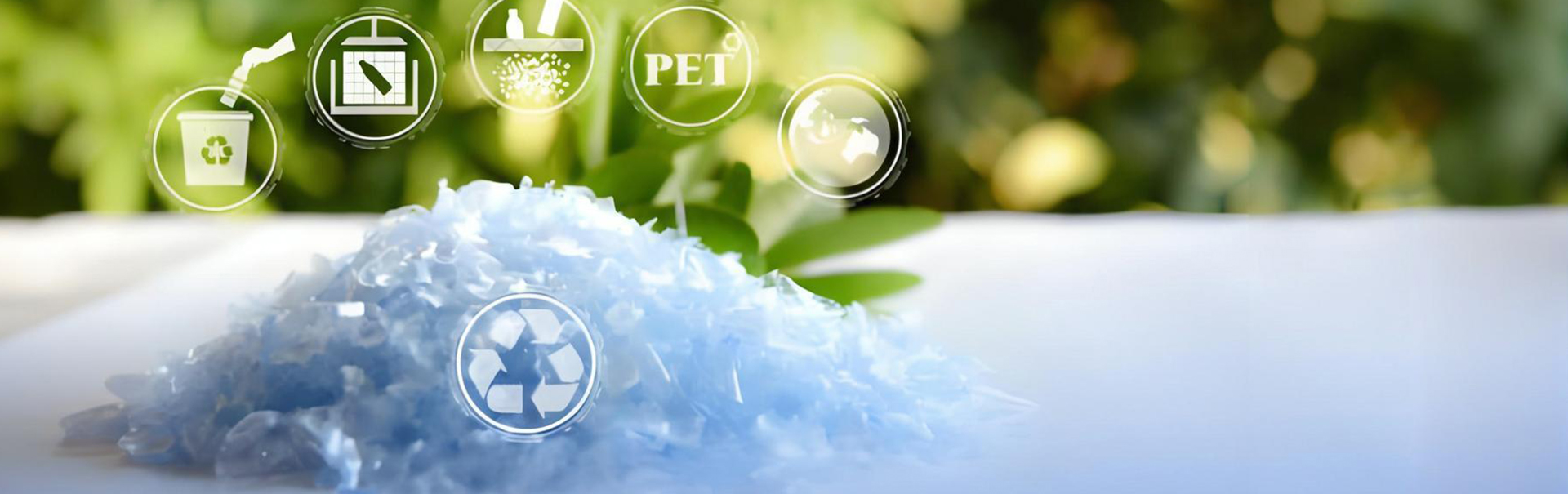
The journey of creating high-quality Recycled Leisure Fabrics begins with the sourcing of raw materials. By utilizing recycled nylon and polyester, manufacturers significantly reduce the dependency on petroleum-based virgin resources. This process not only diverts waste, such as discarded fishing nets and plastic bottles, from landfills but also lowers the overall carbon footprint of the textile production chain. Our facility integrates weaving, dyeing, and finishing processes to ensure that every yard of fabric meets strict environmental standards while maintaining the superior quality expected by international markets.
- Reduction of greenhouse gas emissions during the production phase.
- Diversion of plastic waste from oceans and landfills.
- Conservation of water and energy resources compared to virgin fiber production.
- Alignment with global circular economy initiatives.
Functional Performance and Technical Advantages
Beyond Basic Comfort
While the environmental benefits are clear, the performance attributes of Recycled Leisure Fabrics are equally impressive. These fabrics are not merely "green" alternatives; they are high-tech materials designed for the athleisure and active wear markets. Through advanced finishing technologies, these textiles can be engineered to possess specific functional properties. Our product line includes fabrics that offer moisture-wicking capabilities, quick-drying properties, and four-way stretch, ensuring that the end-user experiences ultimate comfort during leisure or sports activities.
- Moisture Management: Fabrics are designed to pull sweat away from the body to the fabric surface for rapid evaporation.
- Thermal Regulation: Low-temperature resistance properties make them suitable for varying climates.
- Skin-Friendly Texture: Soft hand-feels that rival traditional luxury fabrics, ensuring comfort for all-day wear.
Protective Properties for Outdoor Activities
For consumers engaging in outdoor leisure activities, protection from the elements is crucial. Our Recycled Leisure Fabrics are treated with durable water repellent (DWR) finishes and anti-ultraviolet (UV) coatings. This dual functionality ensures that the fabric provides a barrier against wind and rain while protecting the skin from harmful solar radiation. Additionally, anti-bacterial and anti-odor treatments are embedded into the fibers, promoting hygiene and extending the lifespan of the garment by reducing the frequency of washing.
- Waterproof and windproof capabilities for adverse weather conditions.
- Anti-ultraviolet protection to shield against sun damage.
- Anti-static and anti-bacterial finishes for enhanced hygiene.
Comparative Analysis: Recycled vs. Conventional Fabrics
Understanding the technical differences between sustainable options and traditional materials is vital for buyers and designers. While conventional fabrics have long been the industry standard for durability, modern Recycled Leisure Fabrics have closed the gap, offering comparable—if not superior—performance metrics. The following table highlights the key distinctions between standard polyester/nylon fabrics and our recycled alternatives, demonstrating why the latter is the superior choice for forward-thinking brands.
| Feature |
Conventional Synthetic Fabrics |
Recycled Leisure Fabrics |
| Raw Material Source |
Virgin petroleum-based polymers. |
Regenerated waste materials (plastic bottles, nets). |
| Carbon Footprint |
High energy consumption and emissions. |
Significantly lower carbon emissions. |
| Physical Properties |
Standard strength and elasticity. |
High tensile strength, superior abrasion resistance. |
| Functional Finishes |
Limited integration of eco-friendly finishes. |
Advanced eco-friendly water-proof, UV, and anti-bacterial options. |
| Market Value |
Commodity pricing, lower brand appeal. |
Premium positioning, high brand storytelling value. |
Applications in Athleisure and Fashion
The versatility of Recycled Leisure Fabrics makes them ideal for a wide range of applications. In the athleisure sector, the demand for stretchable, breathable, and durable fabrics is paramount. Our materials are designed to support dynamic movements, making them perfect for yoga pants, running jackets, and gym wear. Beyond sportswear, the fashion industry is increasingly adopting these materials for casual outerwear and everyday clothing, driven by a consumer base that values sustainability as a lifestyle choice.
- Athleisure Wear: Yoga pants, sports bras, and performance tights require high elasticity.
- Outdoor Gear: Lightweight jackets, windbreakers, and hiking apparel requiring weather protection.
- Casual Fashion: Everyday shirts, skirts, and trousers that combine style with eco-consciousness.
FAQ
What materials are used to make Recycled Leisure Fabrics?
Recycled Leisure Fabrics are typically manufactured from post-consumer waste, such as discarded plastic bottles (rPET), or post-industrial waste like fishing nets and fabric scraps (recycled nylon). These materials are cleaned, broken down, and polymerized into new fibers. This process ensures that the waste is diverted from landfills and oceans, transforming it into high-quality textiles suitable for premium apparel.
Are recycled fabrics as durable as virgin synthetic fabrics?
Yes, Recycled Leisure Fabrics offer durability that is comparable to, and often exceeds, that of virgin synthetics. Advanced polymer technologies allow manufacturers to maintain the intrinsic strength of the fiber during the recycling process. Our fabrics undergo rigorous quality control to ensure they meet high standards for abrasion resistance, tensile strength, and colorfastness, making them a reliable choice for durable leisure and sportswear.
Can Recycled Leisure Fabrics be waterproof?
Absolutely. One of the key advantages of these fabrics is their ability to undergo various functional finishing processes. Recycled Leisure Fabrics can be treated with eco-friendly Durable Water Repellent (DWR) coatings and laminated with waterproof membranes. This provides excellent protection against rain and wind while maintaining the fabric's breathability, making it ideal for outdoor leisure activities.
How do these fabrics contribute to sustainable fashion?
Utilizing Recycled Leisure Fabrics is a direct action towards a circular economy. By choosing materials that repurpose existing waste, brands reduce their reliance on non-renewable resources and lower their carbon footprint. Furthermore, the production of these fabrics often utilizes less water and energy compared to virgin fiber production, helping to mitigate the environmental impact of the fashion industry.
Are there specific certifications for these recycled materials?
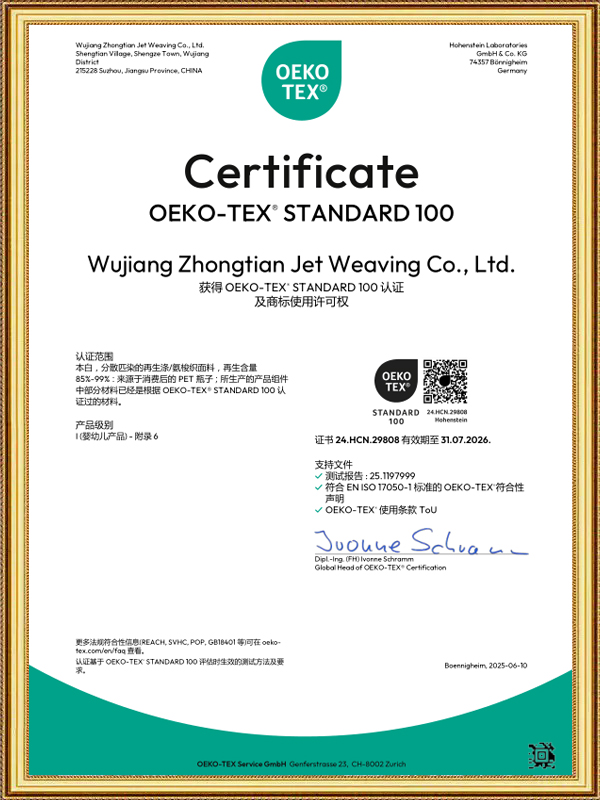
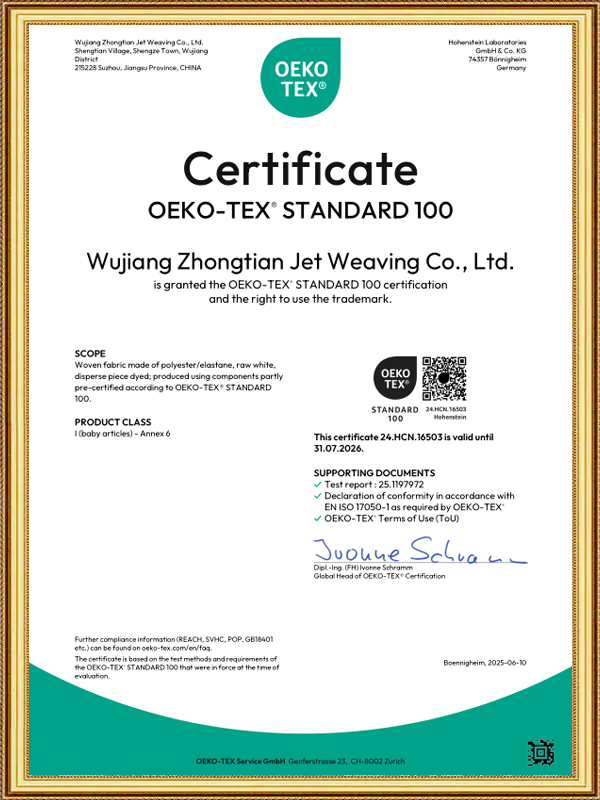
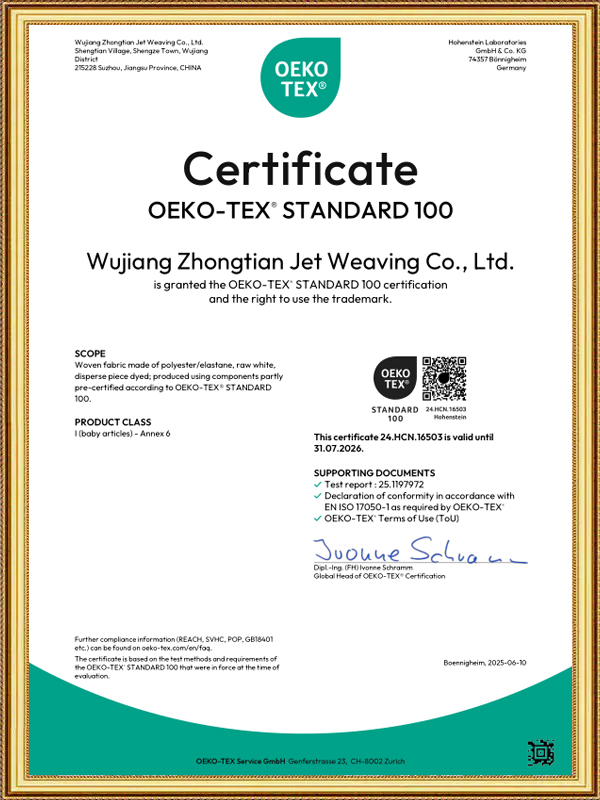
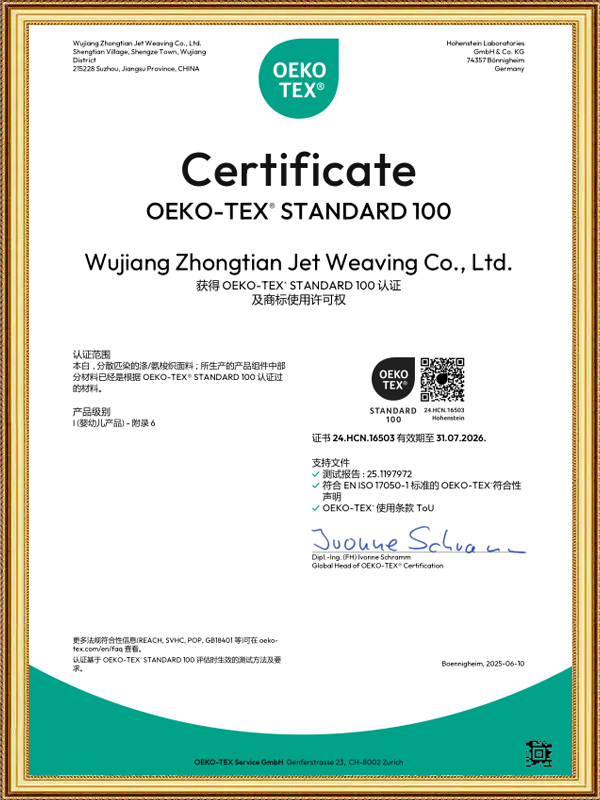
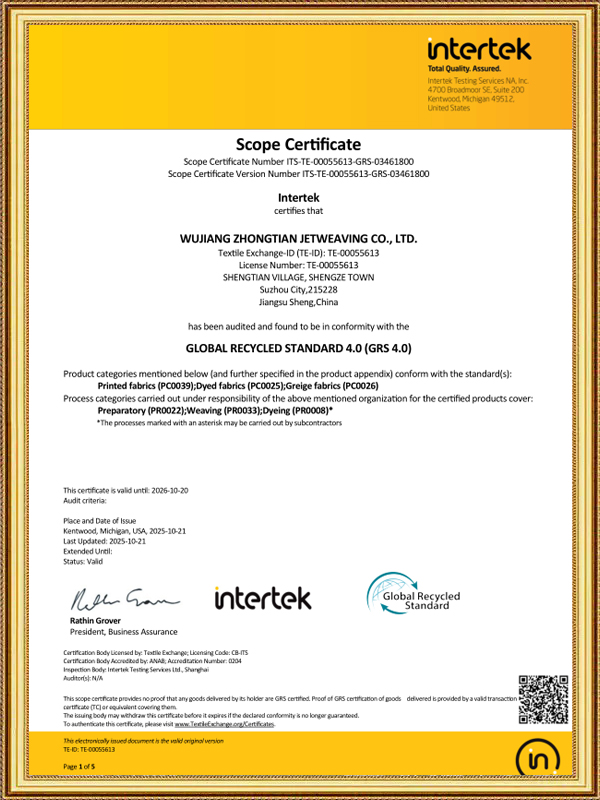
Yes, reputable manufacturers provide certifications to verify the authenticity of the recycled content. Standards such as the Global Recycled Standard (GRS) and OEKO-TEX Standard 100 are commonly associated with high-quality Recycled Leisure Fabrics. These certifications ensure traceability of the supply chain and verify that the fabrics are free from harmful substances, providing peace of mind for both brands and consumers.



 English
 한국어
한국어 Español