


 English
 한국어
한국어 Español
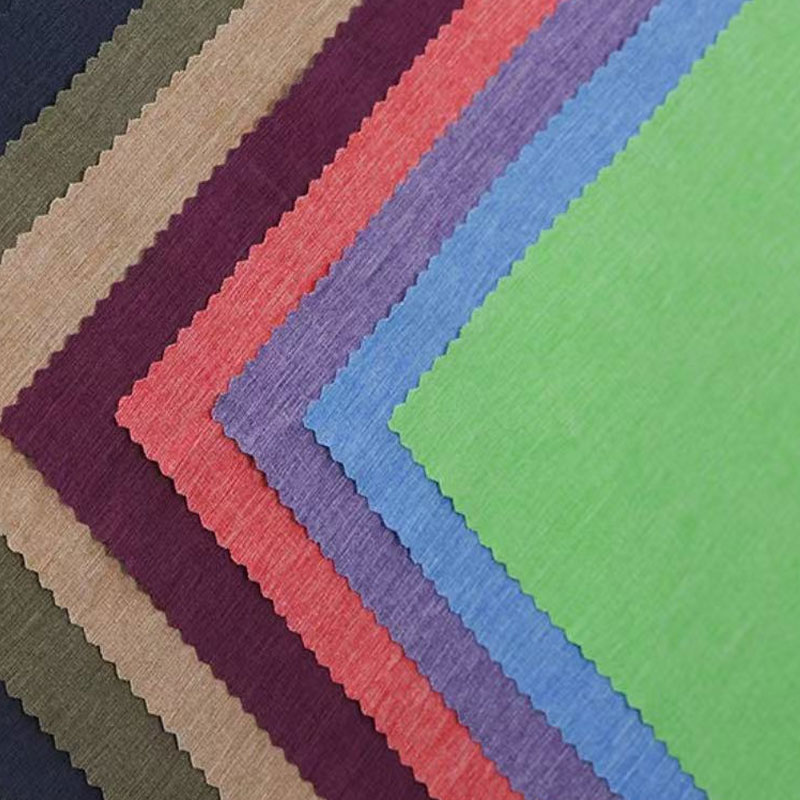
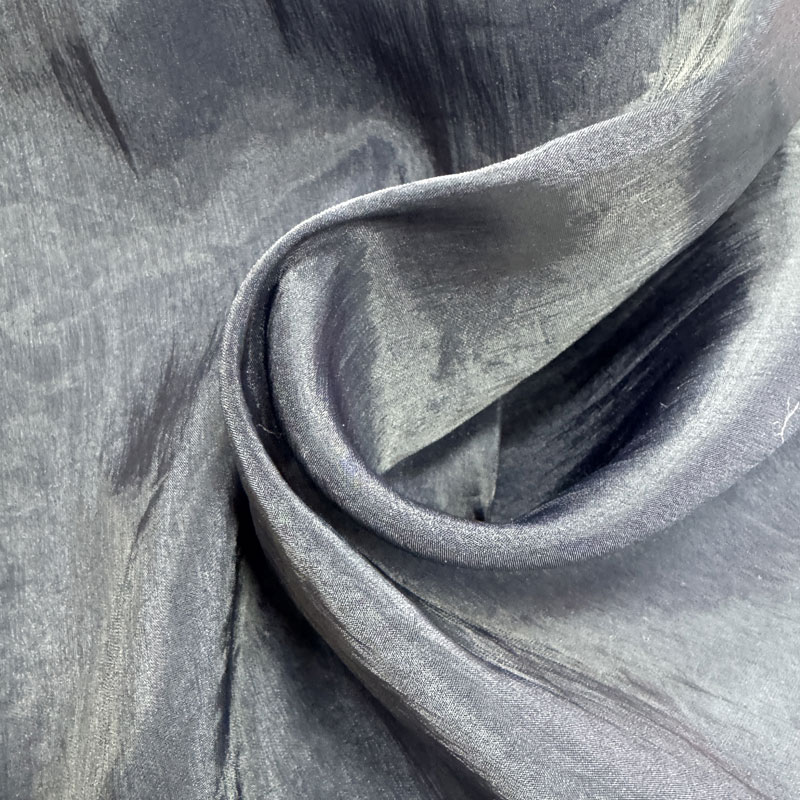
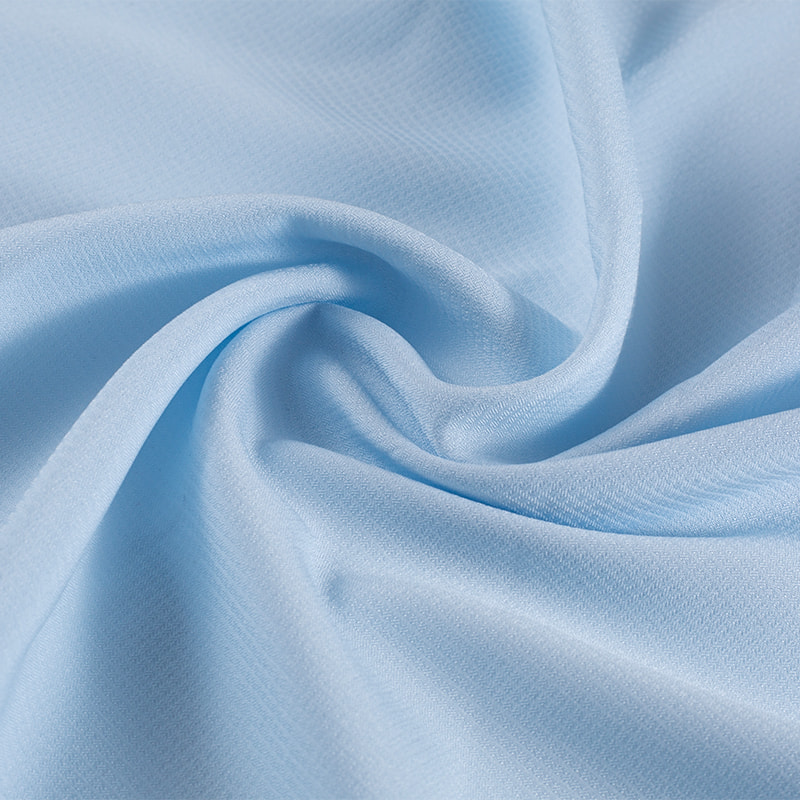
Warm-climate and resort apparel manufacturers rely on textiles engineered to perform under sun expo...
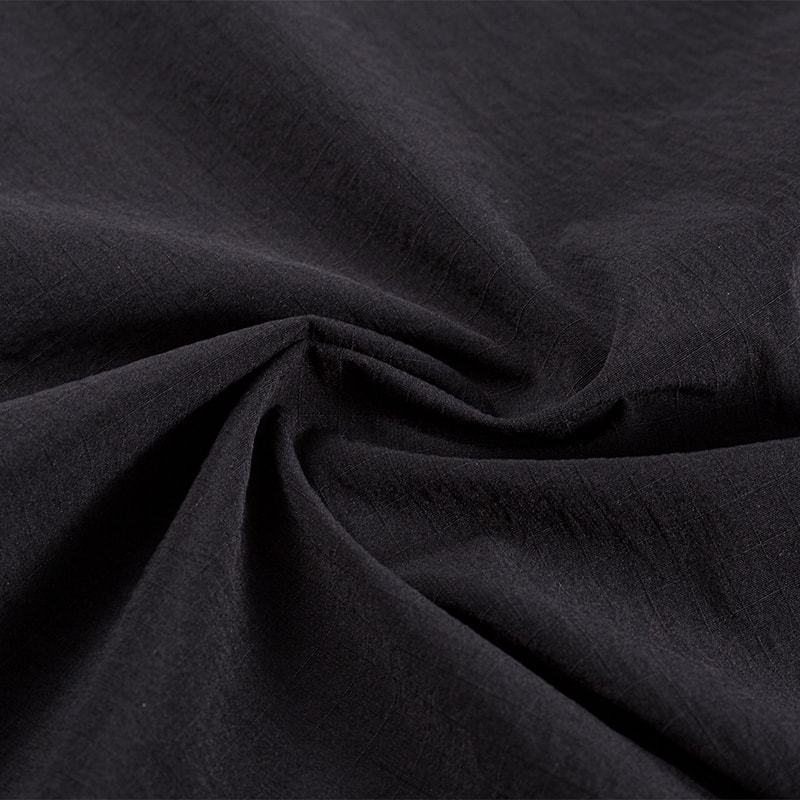
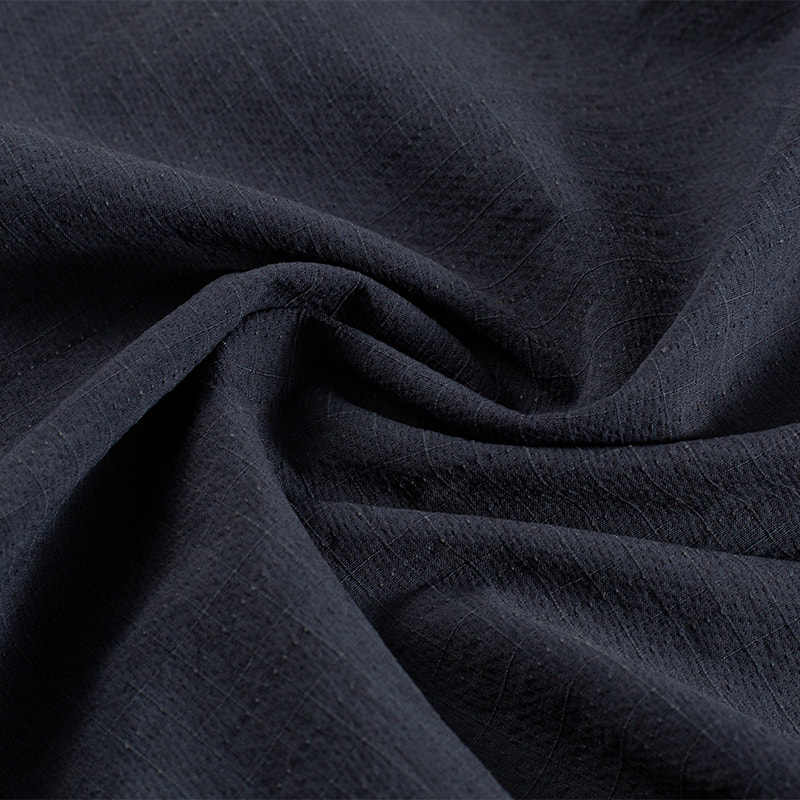
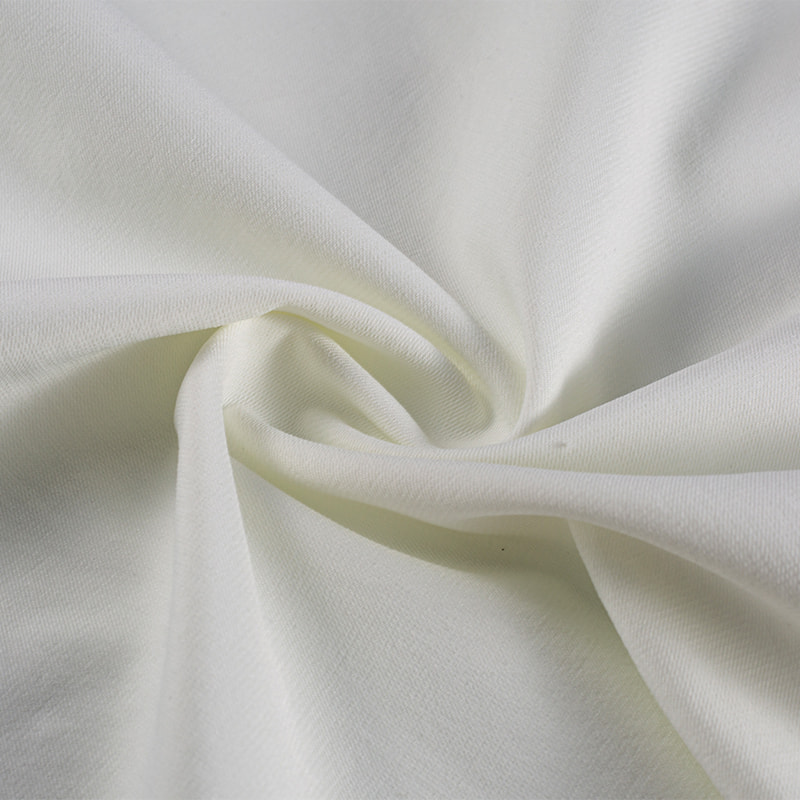
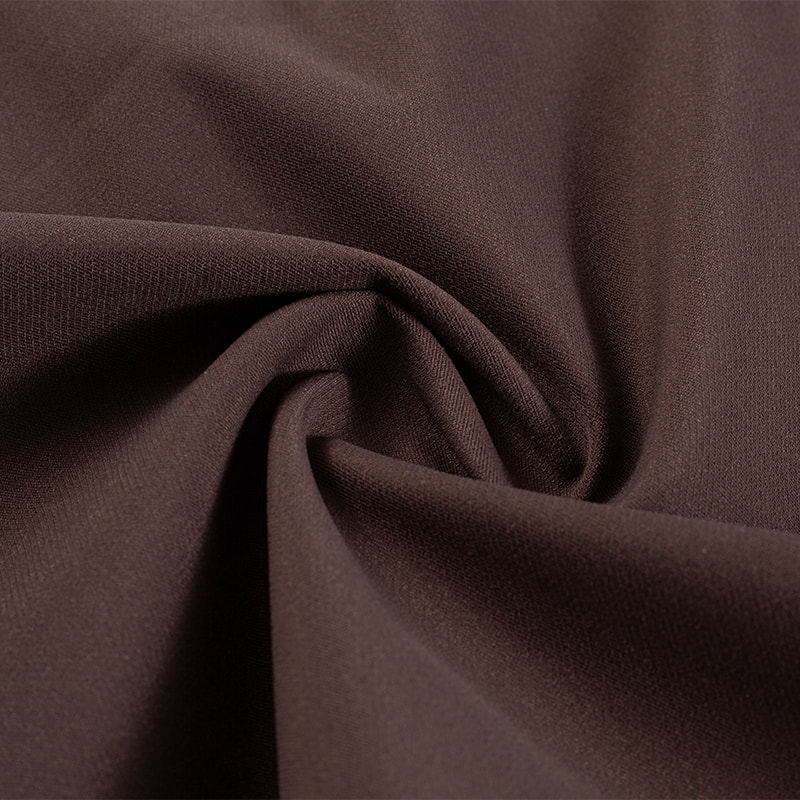
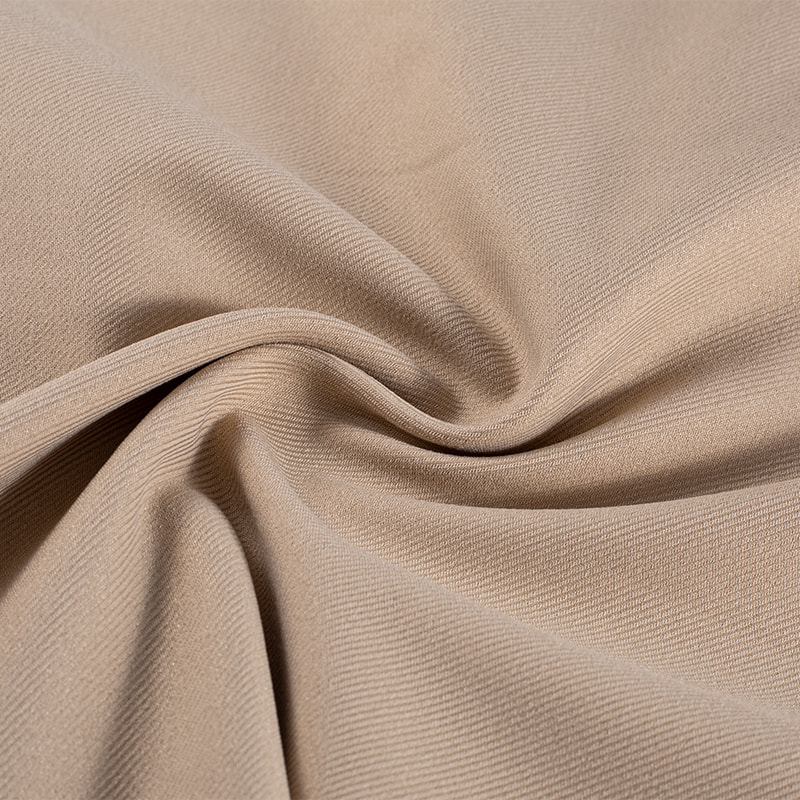
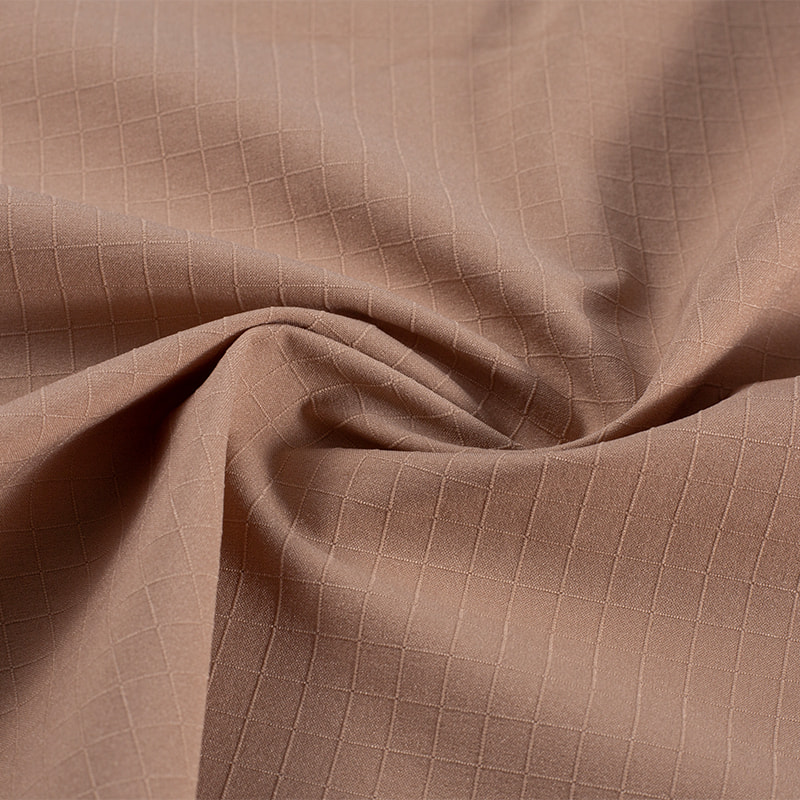
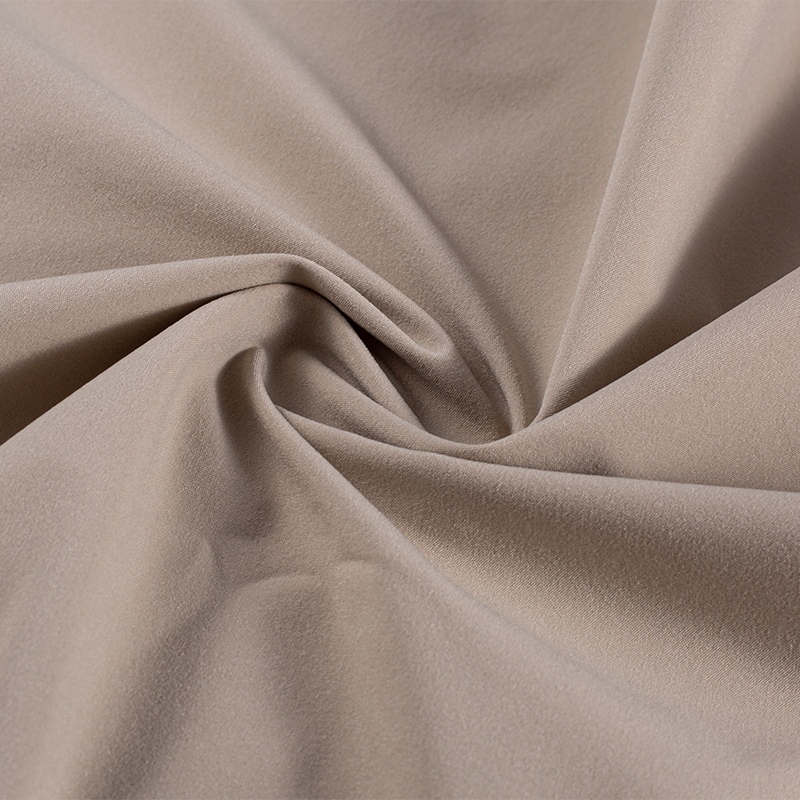
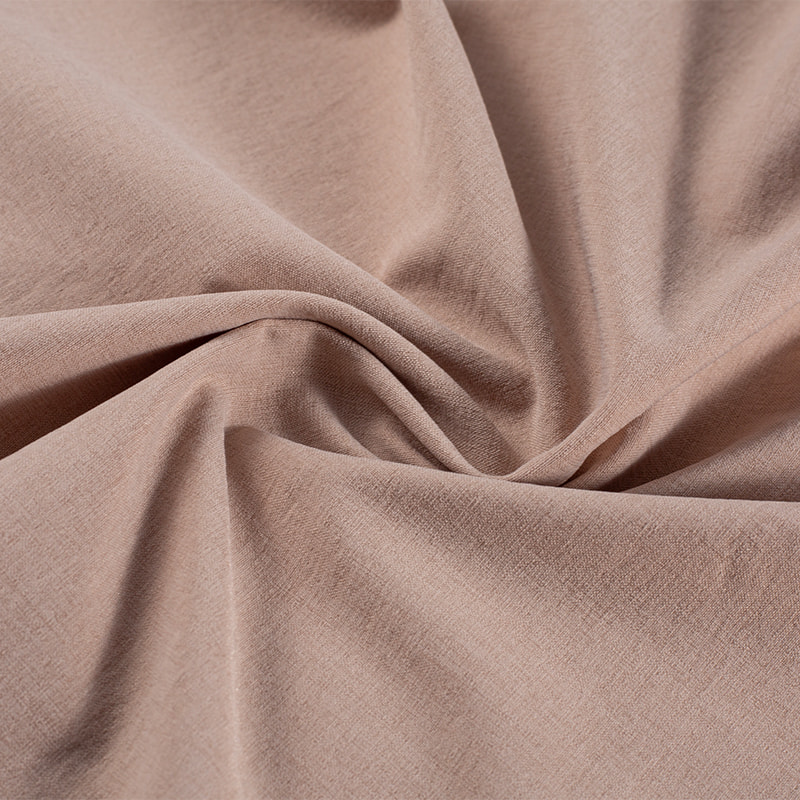
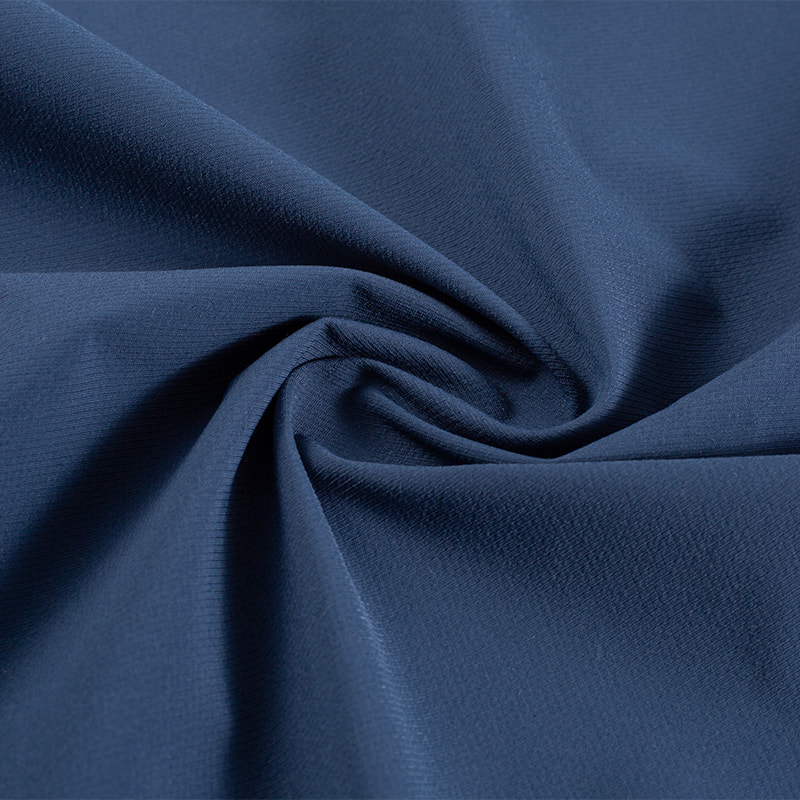
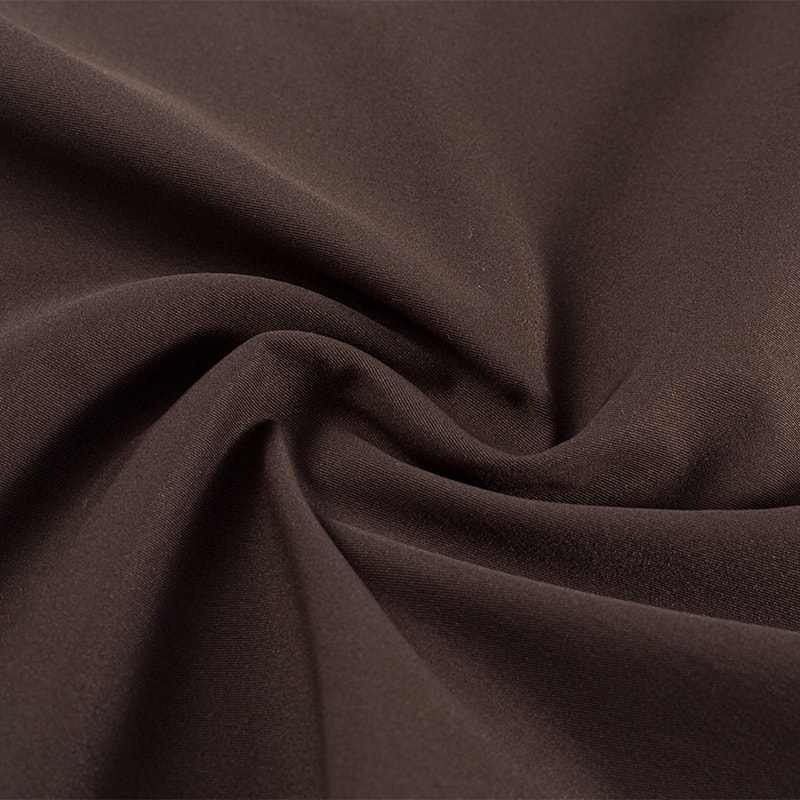
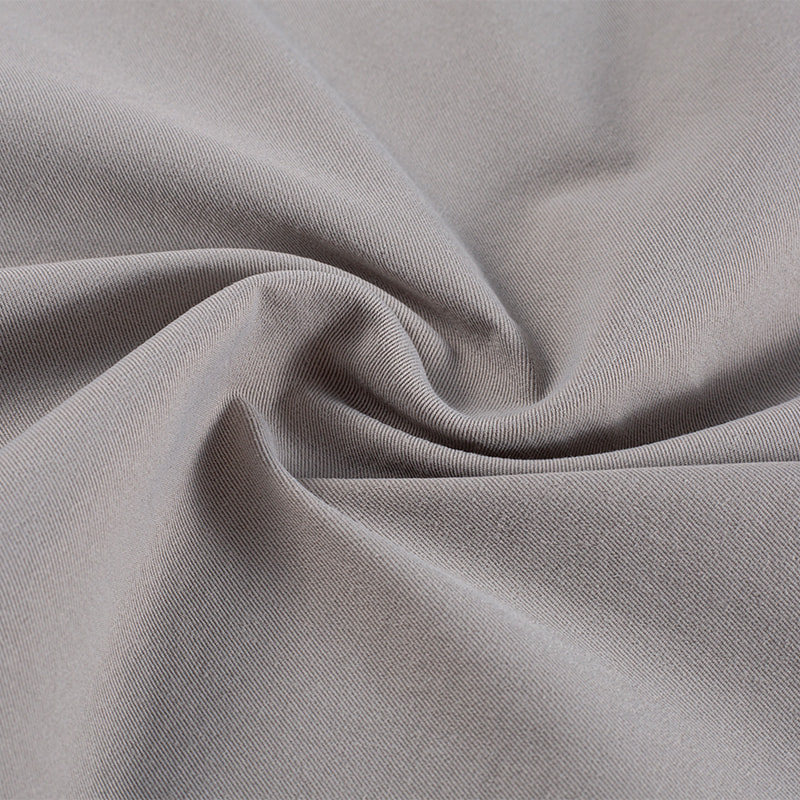
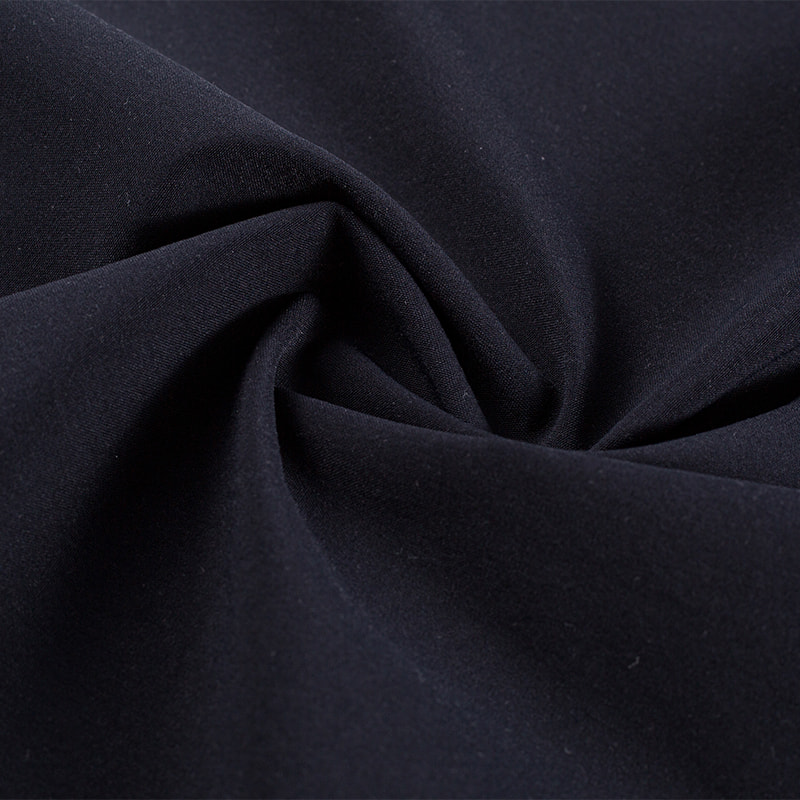
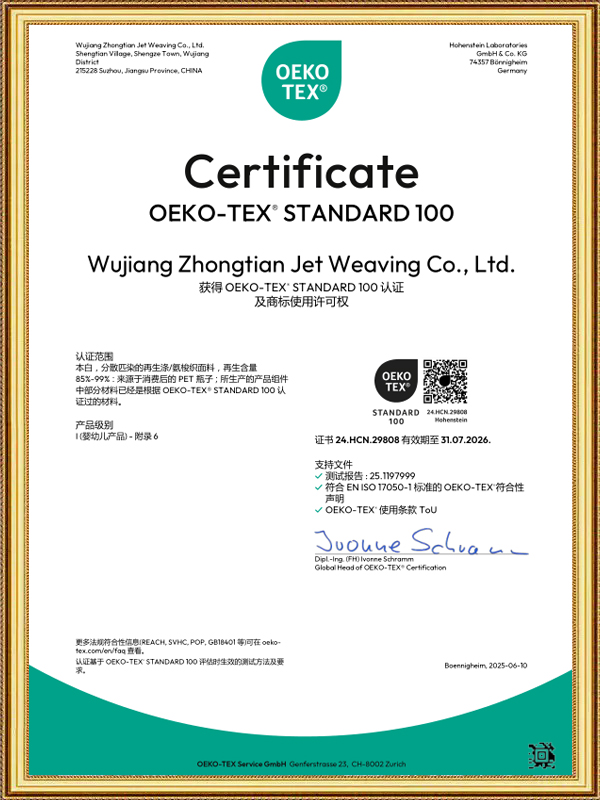
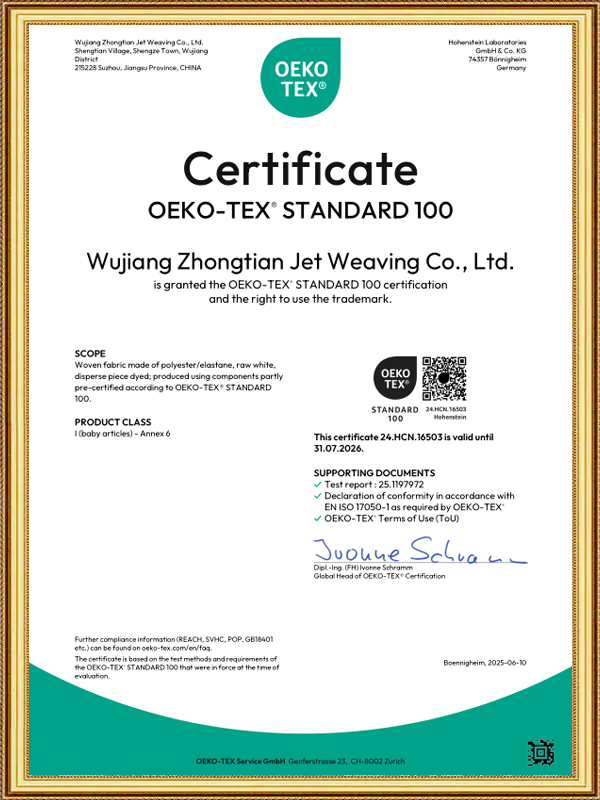
Warm-climate and resort apparel manufacturers rely on textiles engineered to perform under sun expo...
Lightweight Quick-Dry Wrinkle-Resistant Durable Super soft polyester fabrics are engineered textile...
Direct answer: Nylon Jacquard Fabric is a woven textile with patterns built directly into the weav...
Direct conclusion: Chiffon garment fabrics — particularly polyester chiffon — dominate fashion ap...
Stretch Satin Fabric is a woven textile that combines a glossy satin face with elastic yarns such ...
Quick Answer The best Chiffon Garment Fabrics for premium apparel are silk chiffon (8 to 12 gsm) f...
In modern textile engineering, achieving a balance between elasticity, durability, and water resistance has become a critical requirement across industries such as outdoor apparel, protective clothing, and athleisure wear. woven elastic waterproof fabrics represent a highly engineered solution that integrates stretch performance with structural integrity and environmental resistance. Unlike conventional woven materials, which are typically rigid due to their interlacing structure, these fabrics incorporate elastic components while maintaining the inherent strength advantages of woven construction.
The challenge lies in ensuring that elasticity does not weaken the fabric’s tensile strength or compromise its waterproof performance. To address this, manufacturers rely on advanced fiber selection, optimized weaving structures, and specialized finishing technologies. As a result, stretchable waterproof woven textiles can provide both flexibility and resilience, making them suitable for demanding applications where movement and protection are equally important.
In this context, the development of elastic waterproof woven materials is not only a matter of material innovation but also a systematic integration of raw materials, production techniques, and quality control processes. Understanding how elasticity is achieved without compromising strength requires a detailed analysis of each stage in the manufacturing chain.
The foundation of elasticity in woven elastic waterproof fabrics begins with the careful selection of fibers and yarn structures. High-performance synthetic fibers such as polyester are often combined with elastane or spandex to introduce controlled stretch properties. The elastomeric fibers provide extensibility, while the base fibers ensure mechanical strength and dimensional stability.
In practical manufacturing, companies such as Wujiang Zhongtian Jetweaving Co., Ltd. emphasize high-quality raw material preparation as the first step in achieving consistent fabric performance. By selecting fibers that meet established quality standards, the resulting yarns exhibit uniform strength and elasticity, which is essential for maintaining structural balance during weaving and finishing.
The engineering of yarns also plays a crucial role. Core-spun yarns, where elastane is wrapped by polyester filaments, are commonly used to protect the elastic component while enhancing durability. This structure allows the fabric to stretch without exposing the elastic fiber to abrasion or environmental damage.
Key considerations in fiber and yarn design include:
By optimizing these parameters, manufacturers ensure that high-strength stretch waterproof fabrics retain both flexibility and load-bearing capacity.
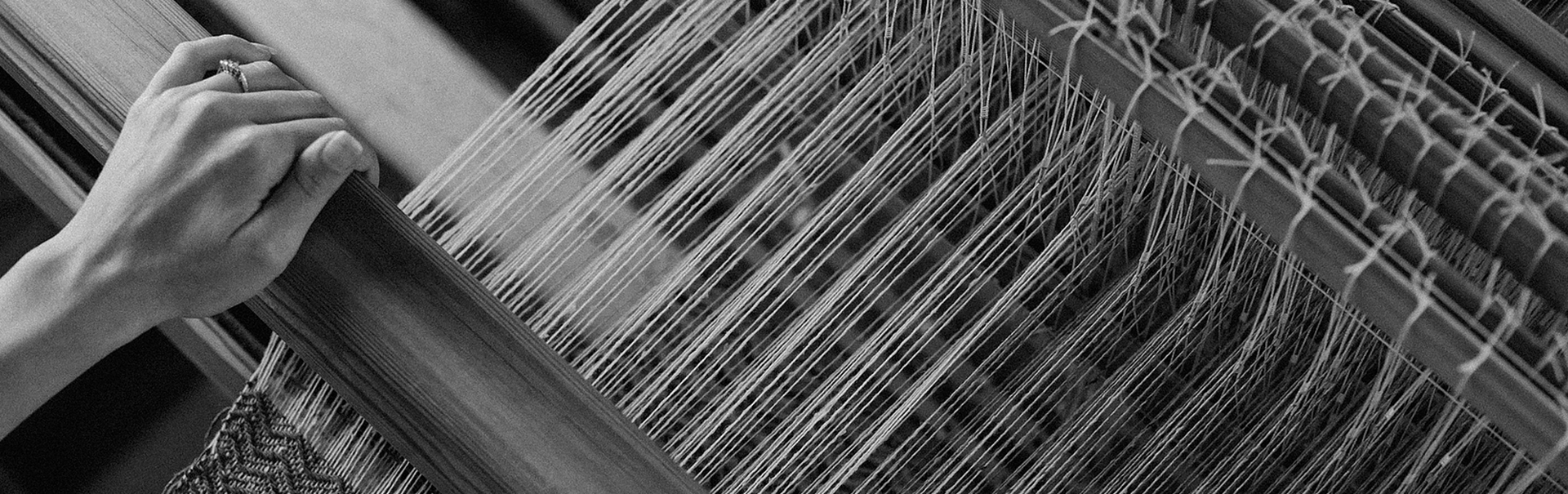
The weaving process is central to achieving elasticity without sacrificing strength. In woven elastic waterproof fabrics, elasticity is typically introduced in one or both directions through the integration of elastic yarns into the warp or weft system.
Wujiang Zhongtian Jetweaving Co., Ltd. utilizes advanced weaving machines to interlace warp and weft yarns with precision. During this process, warp yarns provide longitudinal strength, while weft yarns can be engineered to deliver elasticity. Special edge treatments are applied to prevent fraying, ensuring the structural stability of the fabric.
Different weaving patterns influence the balance between stretch and strength:
| Weaving pattern | Elasticity characteristics | Strength performance |
|---|---|---|
| Plain weave | Limited elasticity, high stability | Excellent tensile strength |
| Twill weave | Moderate elasticity, improved flexibility | Good durability and abrasion resistance |
| Satin weave | Higher flexibility, smoother surface | Moderate strength |
To enhance elasticity, manufacturers may use stretch yarns in the weft direction while maintaining strong, non-elastic warp yarns. This hybrid approach ensures that flexible waterproof woven fabrics can stretch under stress while retaining their original shape and structural integrity.
Achieving waterproof performance in woven elastic waterproof fabrics requires the application of coatings or membranes that do not interfere with elasticity. Traditional waterproof coatings can reduce flexibility, so modern solutions focus on thin, elastic-compatible layers.
Common waterproof technologies include:
Wujiang Zhongtian Jetweaving Co., Ltd. applies professional dyeing and finishing processes to ensure uniform color and long-lasting performance. High-temperature setting further stabilizes the fabric, enabling it to maintain both elasticity and waterproof properties under repeated use.
The integration of waterproof technology must consider:
Through careful process control, durable elastic waterproof fabrics can achieve high water resistance without restricting movement or reducing mechanical strength.
Finishing treatments are critical in defining the final performance of woven elastic waterproof fabrics. These processes not only enhance waterproof capabilities but also improve comfort, durability, and functional properties such as UV resistance and antibacterial performance.
Wujiang Zhongtian Jetweaving Co., Ltd. integrates advanced finishing techniques, including high-temperature setting, to produce fabrics with a smooth surface and stable structure. This step also enables the addition of multiple functional properties such as moisture absorption, quick drying, and anti-static behavior.
Important finishing processes include:
These processes ensure that performance-oriented waterproof stretch fabrics maintain their elasticity over time while meeting the technical requirements of various applications.
Maintaining the balance between elasticity and strength requires strict quality control throughout production. woven elastic waterproof fabrics must undergo comprehensive testing to ensure consistency and reliability.
Wujiang Zhongtian Jetweaving Co., Ltd. implements international four point inspection standards, conducting detailed checks on every meter of fabric. In addition, in-house laboratory testing evaluates key parameters such as color fastness, moisture management, and durability.
The following table summarizes key testing parameters:
| Testing parameter | Purpose | Impact on performance |
|---|---|---|
| Elastic recovery | Measure stretch and return ability | Ensures long-term elasticity |
| Water resistance | Evaluate waterproof capability | Determines suitability for outdoor use |
| Abrasion resistance | Assess durability | Prevents premature wear |
| Color fastness | Check dye stability | Maintains appearance after washing |
Through these measures, manufacturers ensure that high-performance woven waterproof fabrics with stretch meet both functional and durability requirements.
One of the key advantages of woven elastic waterproof fabrics is their adaptability to different applications. By adjusting yarn count, fabric weight, and finishing treatments, manufacturers can tailor the fabric to specific performance requirements.
Wujiang Zhongtian Jetweaving Co., Ltd. offers extensive customization options, including fiber composition, gloss level, and functional properties. This flexibility allows the development of fabrics suitable for sportswear, outdoor gear, and technical garments.
Customization aspects include:
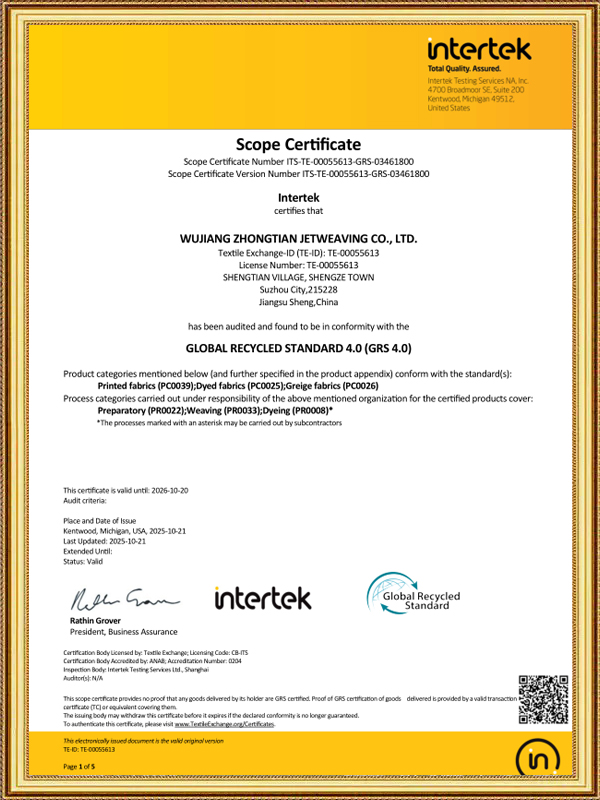
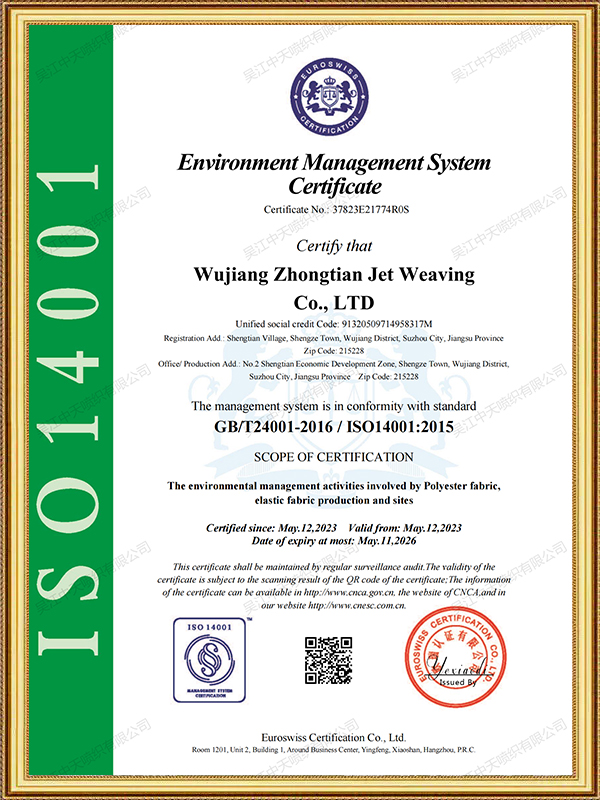
The company also emphasizes sustainability by producing recycled polyester fabrics and providing certification for environmental compliance. This approach aligns with the growing demand for eco-friendly textile solutions.
The ability to achieve elasticity in woven elastic waterproof fabrics without compromising strength is the result of a coordinated approach involving material selection, structural design, and advanced finishing technologies. By integrating elastic fibers within a robust woven framework and applying compatible waterproof treatments, manufacturers can produce fabrics that meet both performance and durability requirements.
The role of experienced manufacturers, such as Wujiang Zhongtian Jetweaving Co., Ltd., is essential in this process. Through continuous innovation, strict quality control, and comprehensive customization capabilities, they ensure that engineered stretch waterproof woven fabrics deliver reliable performance across a wide range of applications.
Ultimately, the success of these fabrics lies in maintaining a precise balance between flexibility and strength, enabling them to perform effectively in demanding environments while providing comfort and protection to end users.
Woven elastic waterproof fabrics incorporate elastic fibers and waterproof treatments, allowing them to stretch while maintaining water resistance and structural strength.
With proper fiber selection and finishing processes, high-quality fabrics retain elasticity over extended use, although extreme conditions may gradually reduce performance.
Yes, they are widely used in outdoor applications due to their combination of flexibility, durability, and resistance to water and environmental factors.
Waterproof performance is achieved through elastic-compatible coatings or membranes that move with the fabric without cracking or losing adhesion.
Manufacturers can customize yarn composition, fabric weight, functional finishes, and environmental properties to meet specific application requirements.
