What types of fibers are used in chiffon garment fabrics?
Introduction to chiffon garment fabrics and their fiber foundation
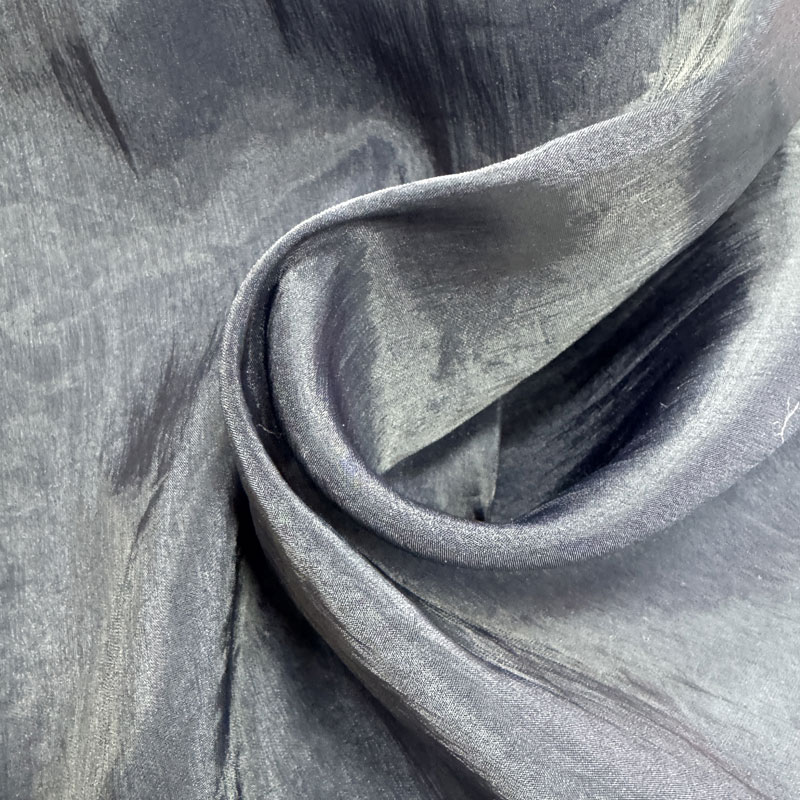
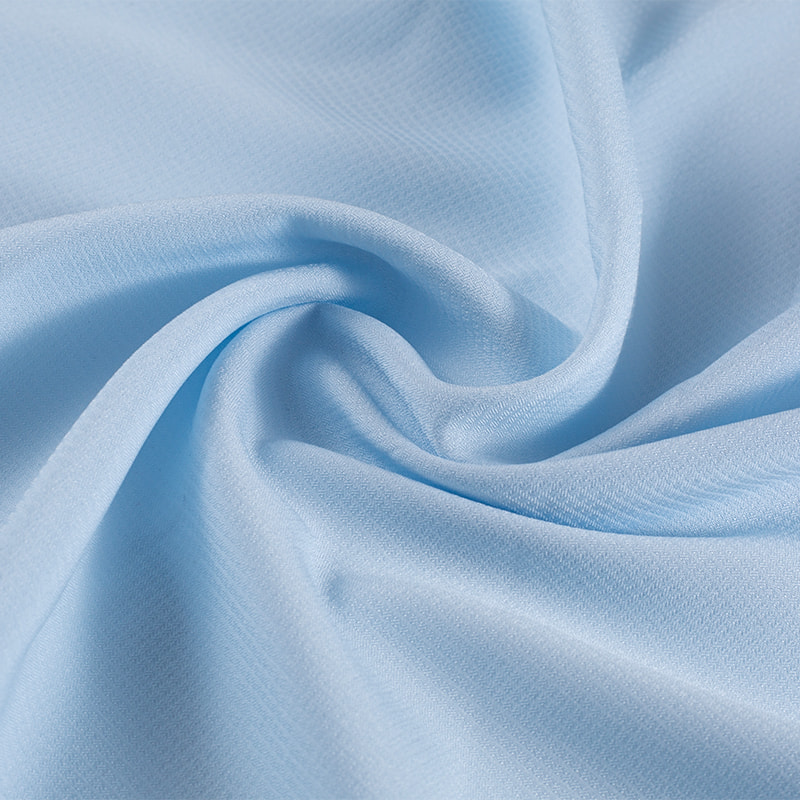
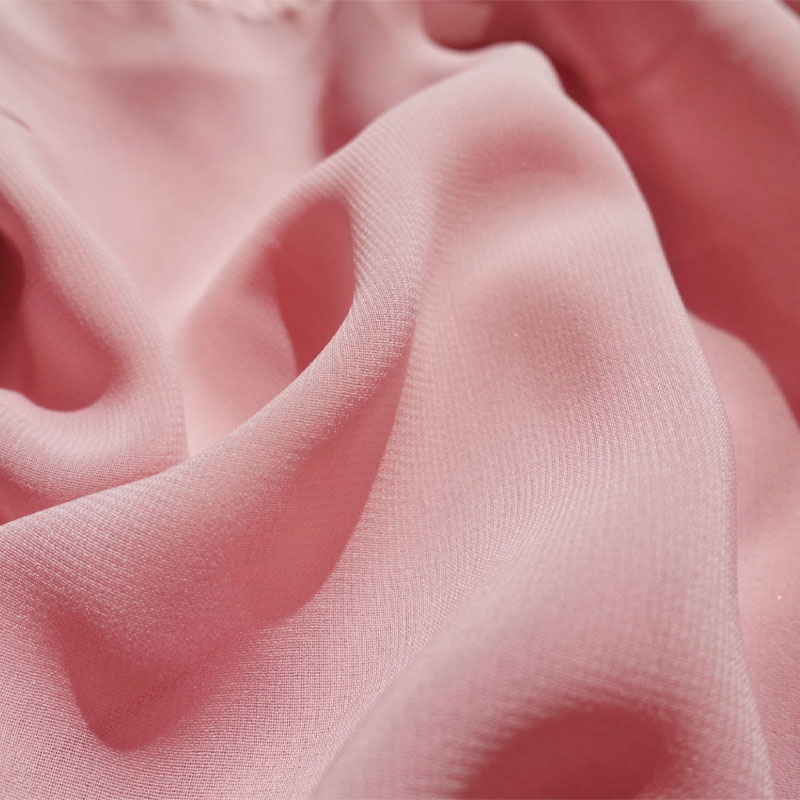
Chiffon garment fabrics are widely recognized in the textile industry as lightweight materials associated with elegance, softness, and fluid drape. Structurally, chiffon features a slightly open weave that, when observed under magnification, resembles a fine mesh or net. This structure contributes to its characteristic sheer appearance and subtle shimmer, making it suitable for garments that require movement, layering, and visual delicacy.
The performance and application of chiffon are highly dependent on the fiber composition used during production. Different fibers impart distinct physical and functional properties, including strength, texture, breathability, and durability. For this reason, understanding fiber selection is essential for manufacturers, designers, and buyers who are evaluating sheer lightweight fabrics for specific uses.
In modern textile production, the development of lightweight woven chiffon materials has expanded beyond traditional natural fibers to include a wide range of synthetic and blended options. These innovations allow for improved consistency, cost control, and enhanced performance characteristics such as wrinkle resistance and moisture management.
From a manufacturing perspective, companies like Wujiang Zhongtian Jetweaving Co., Ltd. emphasize the importance of raw material preparation, where high-quality fibers are selected to ensure stable fabric performance. This foundational step directly affects the final quality of chiffon products, including their transparency, hand feel, and durability.
Primary natural fibers used in chiffon garment fabrics
Natural fibers were historically the first materials used in chiffon production and continue to be valued for their softness and comfort. Among these, silk remains the most traditional and recognizable option.
Silk fiber characteristics
Silk chiffon is often associated with premium quality and luxury garments. It offers a soft hand feel, excellent drape, and natural luster. The fine filament structure of silk allows the fabric to maintain its lightweight nature while still providing adequate strength.
Key advantages of silk-based chiffon include:
- High breathability and moisture absorption
- Natural sheen and smooth texture
- Excellent drape for formal and evening wear
However, silk chiffon also has limitations such as higher cost and relatively lower abrasion resistance. These factors have encouraged the development of alternative fiber options.
Cotton and other natural fibers
Cotton chiffon is less common but can be used in applications where breathability and skin comfort are prioritized. Compared to silk, cotton fibers produce a more matte finish and slightly heavier texture.
Other natural fibers, such as rayon derived from cellulose, are sometimes included in chiffon production to balance cost and performance. These materials offer improved softness and moderate drape, making them suitable for casual garments.
Synthetic fibers in modern chiffon garment fabrics
The widespread adoption of synthetic fibers has significantly transformed the production of lightweight sheer fabrics. Among these, polyester is the most commonly used material in contemporary chiffon.
Polyester fiber applications
Polyester-based chiffon provides a balance between cost efficiency and functional performance. It is widely used in mass production due to its consistent quality and ease of processing.
Key characteristics include:
- High strength and durability
- Good wrinkle resistance
- Stable dimensional performance after washing
In addition, polyester fibers can be engineered to achieve different levels of gloss, allowing manufacturers to replicate the visual qualities of silk. Wujiang Zhongtian Jetweaving Co., Ltd. offers a variety of polyester yarn options with different deniers and gloss levels, enabling precise customization for various garment requirements.
Nylon and other synthetic fibers
Nylon is another synthetic fiber occasionally used in chiffon production. It provides enhanced elasticity and abrasion resistance, making it suitable for garments that require additional durability.
Other advanced synthetic fibers may be incorporated to achieve specific functional properties such as anti-static behavior or moisture management, especially in technical apparel.
Blended fibers and functional enhancements
Blending different fibers is a common strategy to optimize the performance of delicate flowing fabrics. By combining natural and synthetic materials, manufacturers can achieve a balance between aesthetics and functionality.
Common fiber blends
| Fiber blend type |
Main characteristics |
Typical applications |
| Silk and polyester |
Luxury appearance with improved durability |
Evening dresses and scarves |
| Polyester and spandex |
Stretch capability and resilience |
Fashion garments requiring flexibility |
| Rayon and polyester |
Soft texture with cost efficiency |
Casual wear and layered clothing |
These blends are particularly important in modern chiffon garment fabrics because they allow for greater design flexibility while maintaining production efficiency.
Wujiang Zhongtian Jetweaving Co., Ltd. integrates advanced weaving, dyeing, and finishing technologies to support such blends. Their capability to customize yarn count, fiber composition, and functional treatments ensures that the final fabric meets diverse market requirements.
Manufacturing considerations related to fiber selection
Fiber selection directly influences the weaving process and fabric structure. In chiffon production, fine yarns are interwoven using specialized equipment to create a balanced warp and weft configuration. The delicate nature of the fabric requires precise tension control and edge stabilization techniques.
Key production steps
- Yarn preparation: High-quality fibers are selected to ensure consistency and strength.
- Weaving: Warp and weft yarns are interlaced to form a lightweight mesh structure.
- Dyeing and finishing: Processes are applied to enhance color uniformity and durability.
- Heat setting: Improves fabric stability and surface smoothness.
Wujiang Zhongtian Jetweaving Co., Ltd. applies high temperature setting processes to enhance fabric performance, including UV resistance, moisture absorption, and antibacterial properties. These functional enhancements are increasingly important in modern textile applications.
Performance comparison based on fiber types
Different fibers contribute to varying levels of performance in chiffon fabrics. The following table provides a comparative overview.
| Fiber type |
Drape |
Durability |
Breathability |
Cost level |
| Silk |
Excellent |
Moderate |
High |
High |
| Polyester |
Good |
High |
Moderate |
Low |
| Nylon |
Moderate |
Very high |
Low |
Moderate |
| Blends |
Balanced |
High |
Moderate |
Flexible |
This comparison highlights that no single fiber type is universally optimal. Instead, the selection depends on the intended application and performance requirements.
Quality control and environmental considerations
Fiber selection also impacts quality control and sustainability. High-quality sheer woven fabrics must meet strict testing standards to ensure consistency and reliability.
Wujiang Zhongtian Jetweaving Co., Ltd. follows international inspection systems and conducts comprehensive laboratory testing on parameters such as:
- Color fastness
- Moisture wicking performance
- pH value stability
- Resistance to yellowing
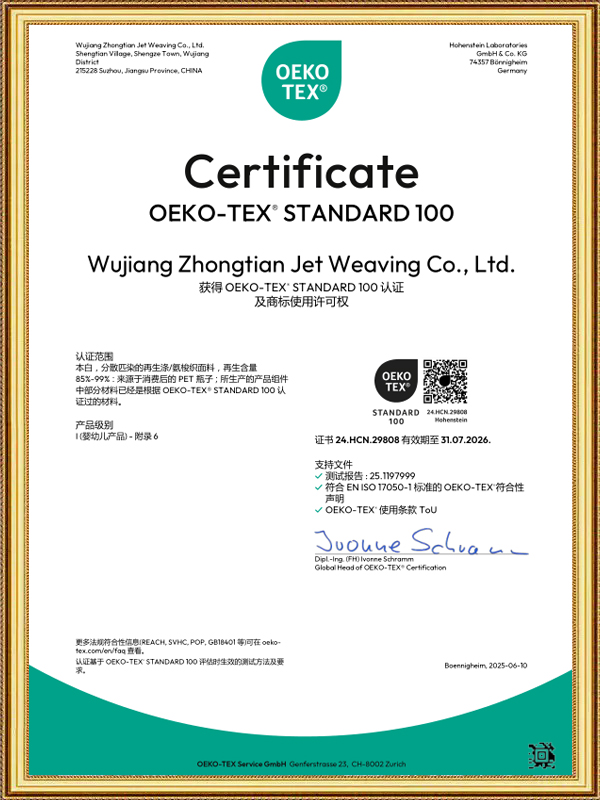
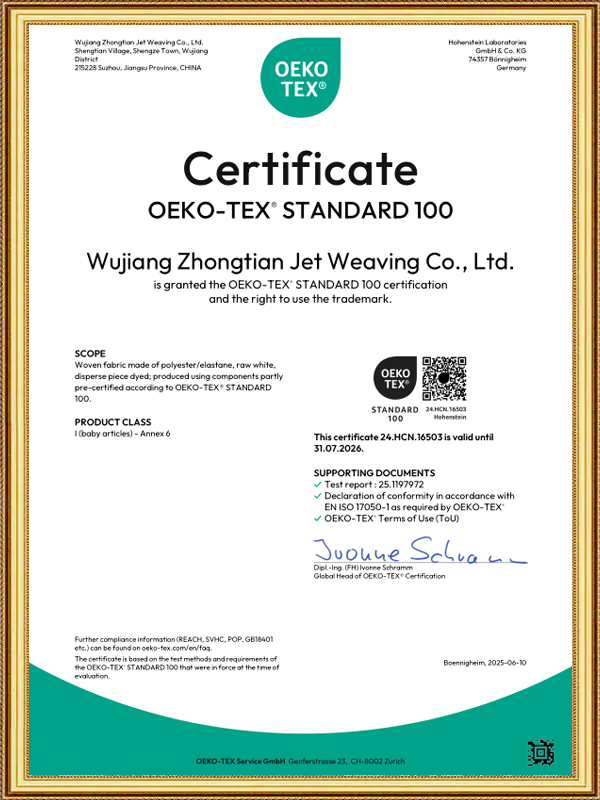
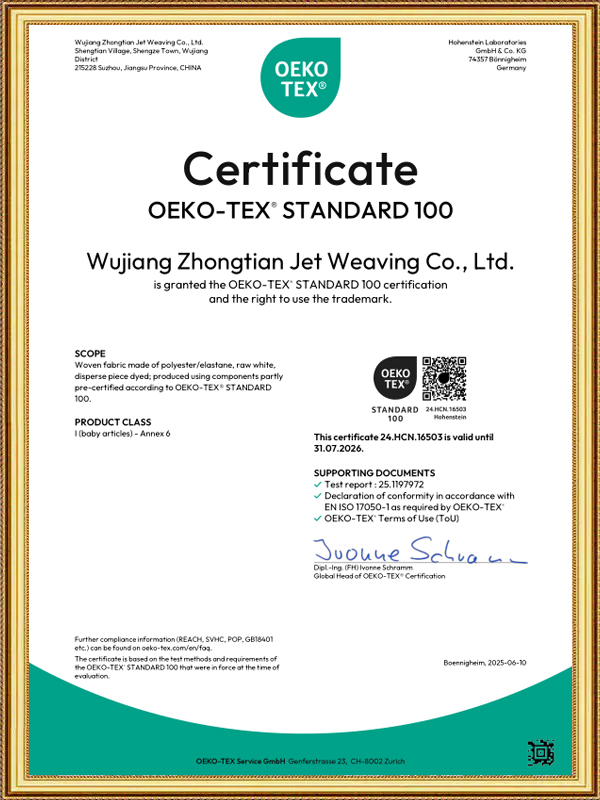
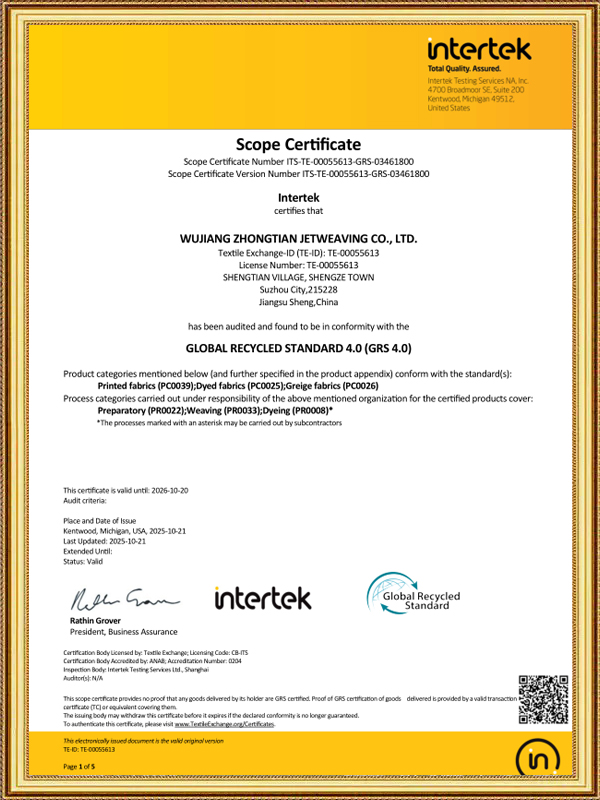
In terms of environmental responsibility, the company produces recycled polyester fabrics and provides certifications such as GRS and OEKO TEX STANDARD 100. These measures ensure that modern chiffon garment fabrics align with global sustainability requirements.
Conclusion
The types of fibers used in chiffon garment fabrics play a decisive role in determining their aesthetic qualities, functional performance, and application scope. Natural fibers such as silk offer superior softness and elegance, while synthetic fibers like polyester provide durability and cost efficiency. Blended fibers further enhance versatility by combining the strengths of different materials.
Through advanced manufacturing processes and continuous innovation, companies such as Wujiang Zhongtian Jetweaving Co., Ltd. contribute to the evolution of chiffon fabrics, ensuring that they meet the demands of both fashion and functional applications.
FAQ
Q1: What is the most commonly used fiber in chiffon garment fabrics?
The most commonly used fiber in chiffon garment fabrics is polyester due to its durability, cost efficiency, and consistent quality in large-scale production.
Q2: Why is silk chiffon considered high-end?
Silk chiffon is considered high-end because of its natural luster, soft texture, and excellent drape, making it suitable for premium garments.
Q3: Are blended chiffon fabrics better than pure fiber options?
Blended chiffon fabrics often provide a balance of properties such as strength, flexibility, and comfort, making them suitable for a wider range of applications.
Q4: How does fiber selection affect chiffon transparency?
Fiber type influences yarn thickness and weave structure, which directly affects the level of transparency in chiffon fabrics.
Q5: Can chiffon garment fabrics have functional properties?
Yes, modern chiffon fabrics can include features such as UV resistance, moisture management, and antibacterial properties through advanced finishing processes.



 English
 한국어
한국어 Español