

 English
 한국어
한국어 Español
Content
- 1 The Evolution of Woven Textile Manufacturing
- 2 Understanding the Core Material
- 3 Key Functional Properties of Modern Woven Textiles
- 4 Performance Comparison Across Fabric Types
- 5 Meeting the Demand for stretch nylon jacquard fabric
- 6 The Rise of waterproof nylon jacquard fabric
- 7 Exploring nylon jacquard fabric for jackets
- 8 The Value of nylon jacquard fabric wholesale Partnerships
- 9 Sourcing custom nylon jacquard fabric for Brand Differentiation
- 10 Global Market Reach and Quality Assurance
- 11 Future Trends in Woven Functional Textiles
- 12 Frequently Asked Questions
- 13 References
The Evolution of Woven Textile Manufacturing
The textile industry relies heavily on advanced weaving techniques to meet modern apparel demands. Manufacturers in major production hubs integrate spinning, dyeing, and finishing processes under one roof. This integrated approach ensures strict quality control at every production stage. Factories with over 30 years of experience often develop internal standards that exceed normal industry requirements. Such facilities produce more than 1000 different chemical fiber items. These items serve various sectors including outdoor gear, casual wear, and performance apparel. The focus remains on combining aesthetic appeal with practical utility.
Understanding the Core Material
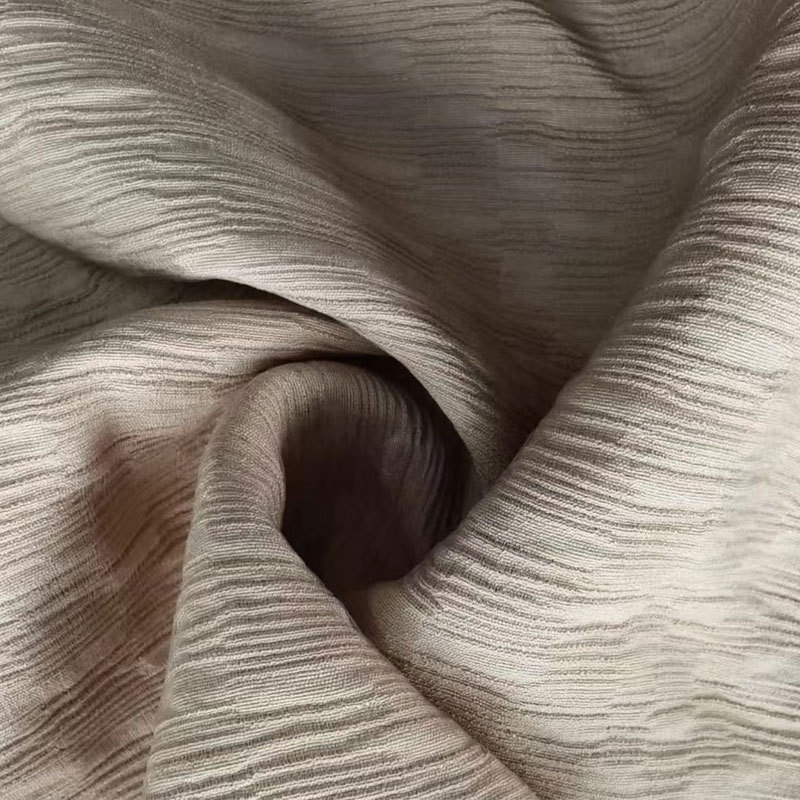
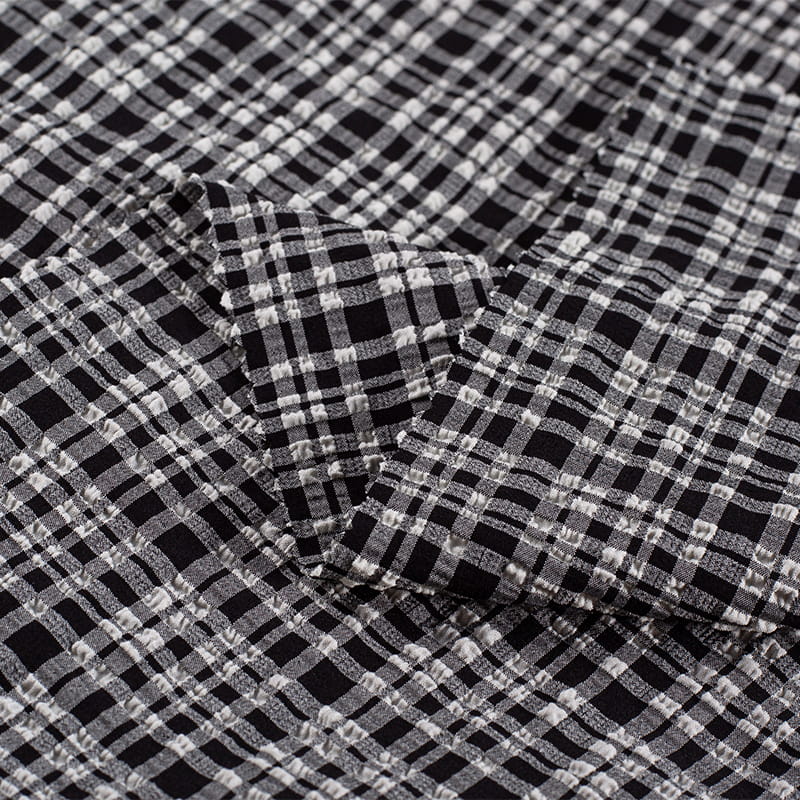
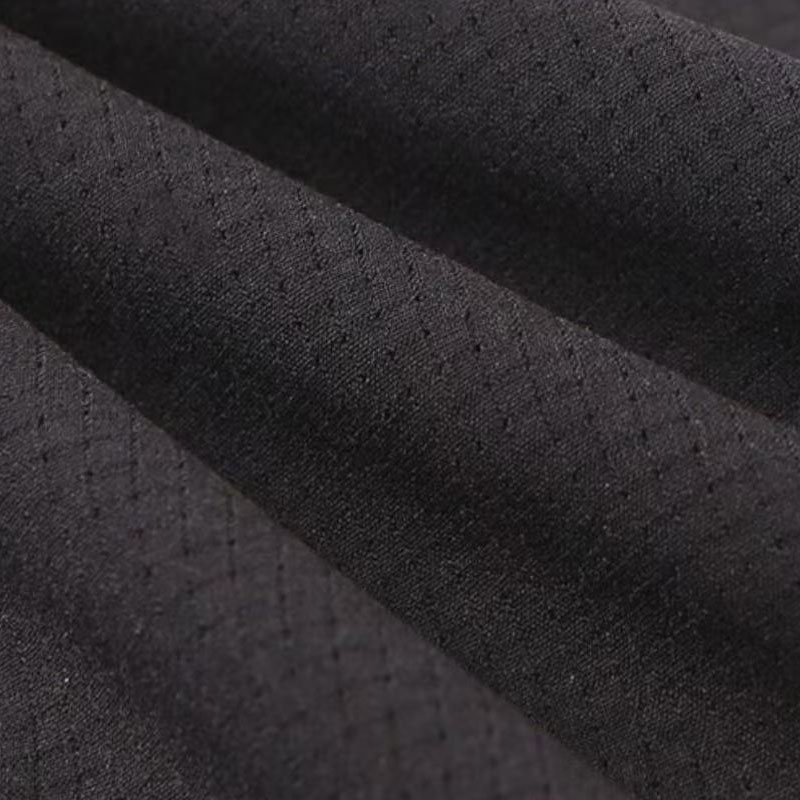
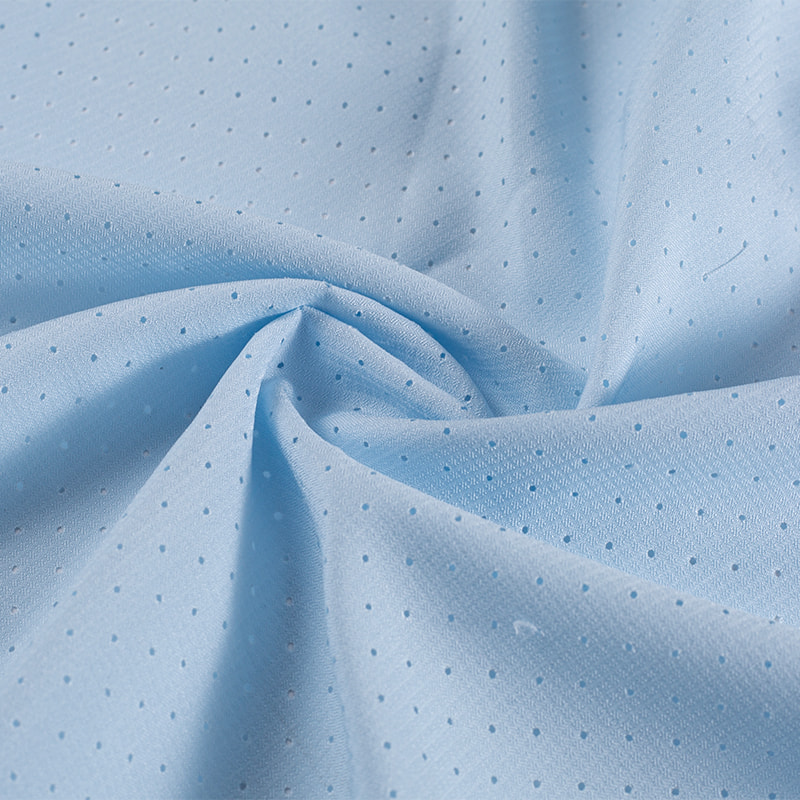
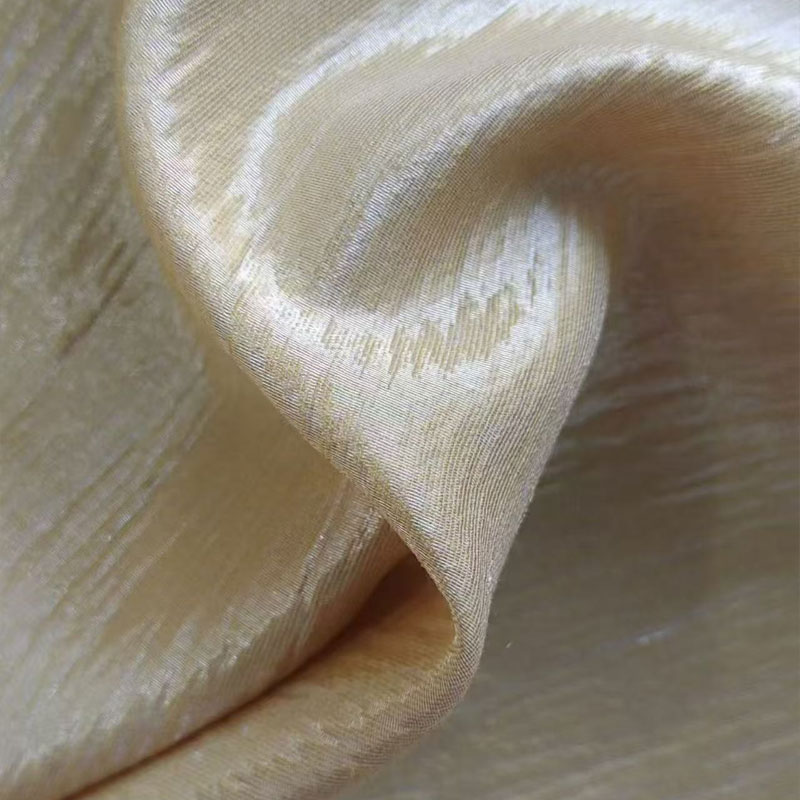
Nylon Jacquard Fabric stands out in the synthetic textile market due to its intricate woven patterns and high durability. Unlike printed materials, the jacquard weaving process creates patterns directly into the fabric structure. This method prevents the designs from fading or peeling after repeated washing. Manufacturers utilize this material for middle and high-end product lines. The fabric offers excellent tensile strength and abrasion resistance. These properties make it highly suitable for garments that undergo heavy physical stress. Buyers consistently prefer this woven option for its long lifespan and premium texture.
Key Functional Properties of Modern Woven Textiles
Contemporary textile buyers require more than just visual appeal from their materials. Modern weaving technologies impart multiple functional features into the fibers. These features directly enhance the comfort and safety of the end wearer. Production lines now routinely incorporate treatments that alter the physical properties of the yarn. The result is a versatile material that performs well across diverse weather conditions.
- Water-proof and wind-proof barriers for extreme weather protection
- Moisture absorption and quick drying capabilities for active use
- Anti-static and anti-ultraviolet treatments for safety and comfort
- Anti-bacterial and anti-odor properties for extended wear periods
- Air and moisture permeability for optimal breathability
Performance Comparison Across Fabric Types
Buyers often compare different textile types to find the best option for their specific needs. Woven options generally provide better structural support than knitted alternatives. The following comparison highlights the differences between common synthetic materials used in apparel manufacturing. We compare standard plain weave, twill weave, and jacquard weave options based on durability, pattern complexity, and functionality.
| Feature | Plain Weave | Twill Weave | Nylon Jacquard Fabric |
| Pattern Complexity | Low | Medium | High |
| Tensile Strength | Standard | High | Very High |
| Functional Integration | Basic | Moderate | Advanced |
| Typical Application | Basic lining | Workwear | High-end apparel |
Meeting the Demand for stretch nylon jacquard fabric
The athleisure market requires materials that move with the body. stretch nylon jacquard fabric combines the intricate designs of jacquard weaving with spandex integration. This blend allows garments to retain their shape while offering maximum mobility. Manufacturers engineer these stretch variants specifically for yoga pants, running jackets, and cycling gear. The stretch recovery rate remains high even after thousands of washing cycles. This reliability makes it a staple for functional sportswear collections worldwide.
The Rise of waterproof nylon jacquard fabric
Outdoor apparel demands complete protection from harsh elements. waterproof nylon jacquard fabric features specialized coatings or laminates applied during the finishing process. These layers block external water molecules while allowing internal sweat vapor to escape. This dual function prevents the wearer from experiencing a clammy feeling during intense physical activities. The tightly woven jacquard structure also provides an excellent base layer for durable water repellent treatments. Outdoor enthusiasts benefit greatly from this combination of weather resistance and aesthetic design.
Exploring nylon jacquard fabric for jackets
Designers frequently select nylon jacquard fabric for jackets because it eliminates the need for additional embellishments. The woven-in patterns provide visual interest without adding extra weight. Jacket manufacturers leverage the low temperature resistance of treated nylon to create winter-ready garments. These jackets withstand freezing conditions while maintaining a sleek silhouette. The fabric also resists snags and tears from branches or rough surfaces, which extends the wearable life of the outerwear.
The Value of nylon jacquard fabric wholesale Partnerships
Brands seeking consistent material quality often turn to nylon jacquard fabric wholesale suppliers. Wholesale purchasing ensures a stable supply chain for large-scale garment production. Direct partnerships with integrated manufacturers remove middleman costs. Buyers gain access to competitive pricing mechanisms and reliable delivery schedules. These business relationships thrive on mutual trust and strict quality assurance protocols. Wholesalers also provide customized color matching and pattern development services to brand partners.
Sourcing custom nylon jacquard fabric for Brand Differentiation
Brands looking to stand out in a crowded market invest in custom nylon jacquard fabric development. Custom orders allow brands to dictate the exact yarn density, pattern scale, and functional finishes. Manufacturers with strong research and development teams guide clients through the sampling process. This collaborative approach ensures the final textile aligns perfectly with the brand vision. Seasonal trend analysis helps factories propose innovative structures that keep brand collections fresh and relevant.
Global Market Reach and Quality Assurance
Top-tier textile manufacturers export their products to North America, Europe, Oceania, and Southeast Asia. These regions maintain strict regulations regarding textile safety and environmental impact. Successful suppliers comply with international testing standards to maintain their market positions. Factories implement rigorous management systems to guarantee consistent quality across massive production batches. The export business grows rapidly when suppliers combine excellent quality with reasonable pricing and fast service.
Future Trends in Woven Functional Textiles
The textile industry continues to shift toward energy saving, environmental protection, and health concepts. Future development strategies focus on specialization, leanness, and internationalization. Manufacturers explore sustainable fiber alternatives and eco-friendly dyeing methods. The goal is to reduce the environmental footprint while enhancing fabric performance. Innovation in finishing technologies will likely yield even more advanced functional properties in the coming years.
Frequently Asked Questions
What is the typical lifespan of nylon jacquard garments?
The lifespan depends heavily on usage and care, but nylon jacquard garments generally outlast standard polyester items. The high tensile strength and abrasion resistance of the woven structure allow these garments to endure hundreds of wash cycles without significant structural degradation.
Can jacquard patterns be customized for small order quantities?
Most manufacturers set minimum order quantities for custom jacquard patterns due to the complex setup required on the weaving looms. However, some flexible suppliers offer lower minimums for prototype development. Buyers should discuss their specific volume needs directly with the factory to explore available options.
How does waterproof nylon jacquard maintain breathability?
Waterproof nylon jacquard utilizes advanced membrane technologies or specialized coating techniques. These microscopic pores are small enough to block liquid water droplets from entering, yet large enough to allow water vapor molecules from body sweat to pass through. This mechanism keeps the wearer dry from both external rain and internal perspiration.
References
- Textile Institute. (2020). Textile Terms and Definitions. 14th Edition.
- Smith, J. (2021). Advances in Jacquard Weaving Technology. Journal of Engineered Fibers and Fabrics.
- International Trade Administration. (2023). Global Textile and Apparel Industry Report.
- Chen, L., & Wang, Y. (2022). Functional Finishes for Synthetic Fabrics. Textile Research Journal.