

 English
 한국어
한국어 Español
Content
- 1 Material Composition and Structural Analysis of 180gsm 75D*80D 75*95SPH Double-Faced Satin Fabric
- 2 Aesthetic and Design Considerations for Using Double-Faced Satin Fabric in Luxury Garments
- 3 The Role of 180gsm 75D*80D 75*95SPH Double-Faced Satin Fabric in Couture Collections
- 4 Durability and Maintenance of 180gsm 75D*80D 75*95SPH Garment Double-Faced Satin Fabric
- 5 Comparative Advantages of 180gsm 75D*80D 75*95SPH Fabric in the Textile Market
- 6 FAQ
- 7 Technical References
Material Composition and Structural Analysis of 180gsm 75D*80D 75*95SPH Double-Faced Satin Fabric
The 180gsm 75D*80D 75*95SPH Garment Double-Faced Satin Fabric is a sophisticated material used predominantly in high-end garment production. The fabric's fiber composition is typically a mix of polyester and nylon, providing durability and resilience. Polyester fibers in this fabric offer high tensile strength (up to 900 MPa) and better resistance to abrasion, while nylon contributes to a smoother texture and enhanced drape.
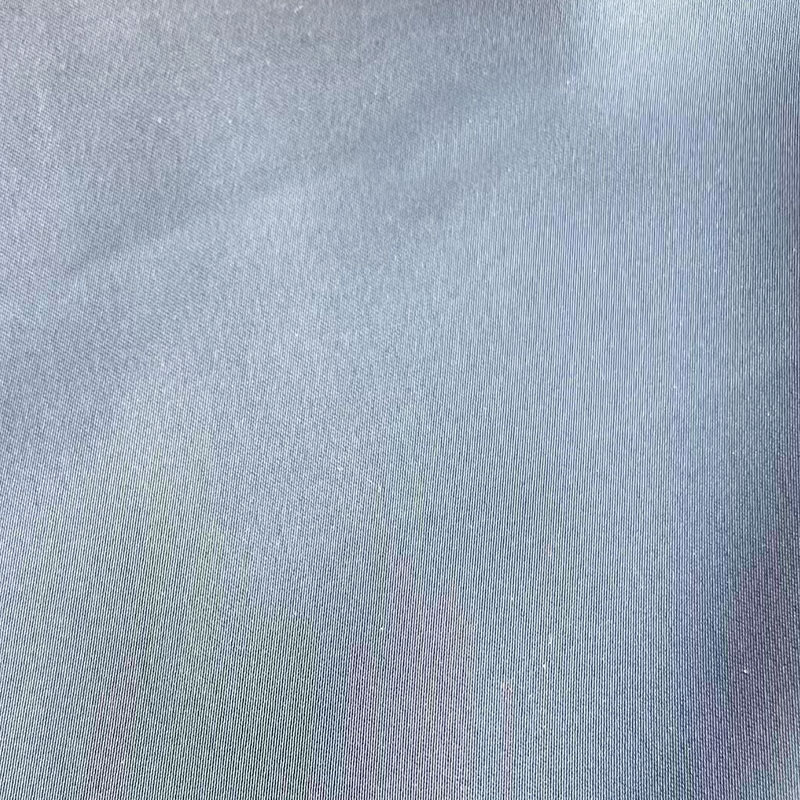
The thread count in this fabric is relatively high, with 75D in the warp and 80D in the weft direction, contributing to its superior strength and smooth surface. The structure of the fabric is characterized by a double-faced satin weave, which enhances its aesthetic appeal. This results in a high-gloss finish that makes it ideal for luxury clothing applications such as evening gowns and bridal wear.
Furthermore, the 75*95SPH denier structure allows for greater flexibility and drape, enhancing the fabric's ability to maintain its shape while providing fluidity. These physical properties make this satin fabric ideal for both structured and flowy garments.
Aesthetic and Design Considerations for Using Double-Faced Satin Fabric in Luxury Garments
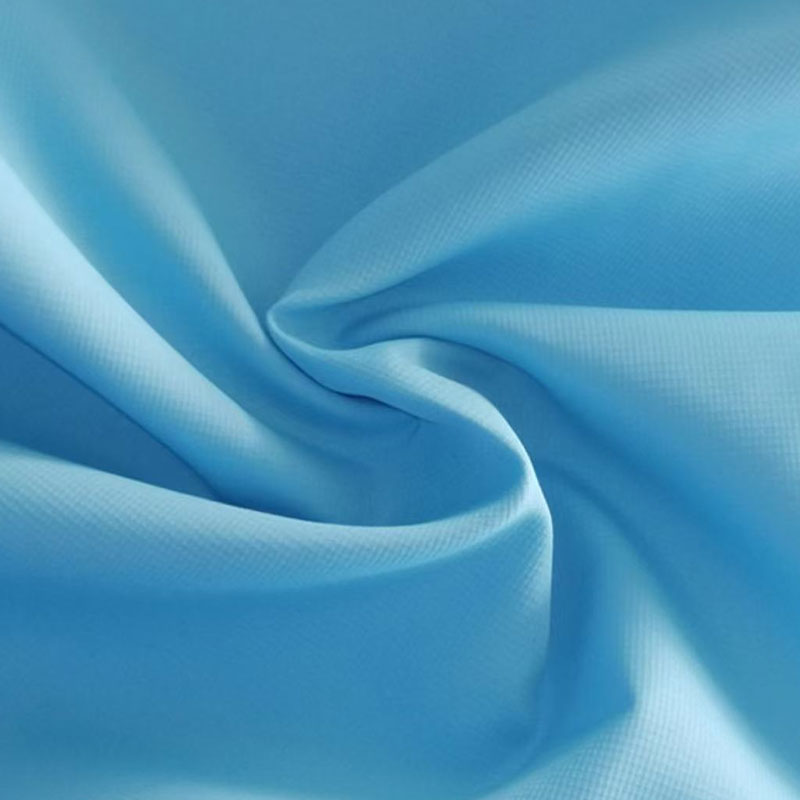
The double-faced satin structure is key to its use in high-end fashion design. This weave creates two smooth, glossy surfaces that reflect light, adding depth and sophistication to the fabric's visual appeal. When used in garments, the 180gsm 75D*80D 75*95SPH double-faced satin fabric enhances the garment's shine and luxurious feel.
In terms of design, the versatility of double-faced satin allows for a wide range of applications. The fabric's ability to maintain its shape while allowing fluid movement is particularly advantageous in creating flowing dresses and elegant evening wear. Furthermore, the fabric's double-sided finish means designers can use both sides to their advantage, allowing for reversible garments or multi-layered designs.
For luxury garments such as wedding dresses, the ability to achieve an ethereal look while maintaining structure is crucial. The fabric's sheen enhances visual elegance, making it an ideal choice for designers looking to create striking, refined garments.
The Role of 180gsm 75D*80D 75*95SPH Double-Faced Satin Fabric in Couture Collections
High-density fabrics like 180gsm 75D*80D 75*95SPH satin fabric are the go-to choice for couture collections due to their ability to hold complex shapes and provide exceptional structure. The GSM (grams per square meter) is a critical factor here; at 180gsm, this fabric provides the necessary weight for elegant draping without being overly stiff or heavy. This makes it perfect for structured gowns and sophisticated eveningwear.
Designers favor this fabric for its ability to hold intricate pleats, sharp folds, and voluminous silhouettes. Additionally, its luxurious feel and high-gloss finish make it the fabric of choice for bridal gowns, evening dresses, and other luxury fashion items that require both beauty and durability. The fabric's durability ensures that intricate couture designs last over time without losing their shape or texture, maintaining the high standards expected in couture fashion.
Durability and Maintenance of 180gsm 75D*80D 75*95SPH Garment Double-Faced Satin Fabric
While the 180gsm 75D*80D 75*95SPH garment double-faced satin fabric offers unmatched elegance and shine, its durability and maintenance are equally important considerations for high-end designers. The GSM of this fabric indicates its relative thickness and weight, contributing to its durability. It can withstand regular wear without losing its shape or texture, making it a reliable choice for garments that need to maintain their appearance over time.
Proper care is crucial for preserving the fabric's sheen and texture. Dry cleaning is typically recommended to ensure the fabric retains its smooth finish, while avoiding home washing, which may cause loss of color or texture. Fabric softeners and harsh detergents should also be avoided, as they may impact the fabric's luxurious sheen and softness.
Furthermore, as this fabric is used for high-end garments, designers also focus on ensuring that the fabric's edges are reinforced to prevent fraying, especially for garments that undergo regular handling or movement.
Comparative Advantages of 180gsm 75D*80D 75*95SPH Fabric in the Textile Market
When compared to other high-density satin fabrics, the 180gsm 75D*80D 75*95SPH double-faced satin fabric offers a unique blend of durability, aesthetic appeal, and versatility. Its GSM provides an optimal balance between structure and softness, making it ideal for both structured and flowy designs. In terms of cost, while this fabric may be more expensive than standard satin options, its superior quality and versatility justify the investment for high-end fashion houses.
In terms of environmental impact, polyester-based fabrics like the 180gsm 75D*80D 75*95SPH satin have a lower environmental footprint compared to natural fibers, though sustainable manufacturing practices are increasingly being adopted in the industry. This includes the use of recycled polyester and eco-friendly dyeing processes to ensure that luxury fabrics meet sustainability standards without compromising on performance.
Additionally, the fabric's double-faced construction and high thread count provide a distinct advantage in terms of finished garment appearance and performance, offering more longevity compared to lower GSM alternatives.
FAQ
1. What makes 180gsm 75D*80D 75*95SPH double-faced satin fabric ideal for luxury wear?
The fabric offers a luxurious texture, high sheen, and durability, making it perfect for high-end garments.
2. How does the GSM of the fabric influence its application?
A 180gsm weight provides the perfect balance between durability and fluid drape, making it ideal for structured designs.
3. Can double-faced satin fabric be used for casual wear?
While suitable for both formal and casual wear, its high sheen and glossy finish make it more commonly used in eveningwear and bridal collections.
4. How should 180gsm 75D*80D 75*95SPH fabric be maintained?
Dry cleaning is recommended to preserve the fabric's texture and sheen.
5. What other fabrics can be compared to 180gsm 75D*80D 75*95SPH satin fabric?
Silk satin and polyester satin are common alternatives, though they may not offer the same weight or texture.
Technical References
1. ASTM D5034 – Standard Test Method for Breaking Strength and Elongation of Textile Fabrics
2. ISO 105-C06 – Textiles — Tests for Colour Fastness to Domestic and Commercial Laundering
3. AATCC TM135 – Dimensional Changes of Fabrics After Home Laundering