

 English
 한국어
한국어 Español
Content
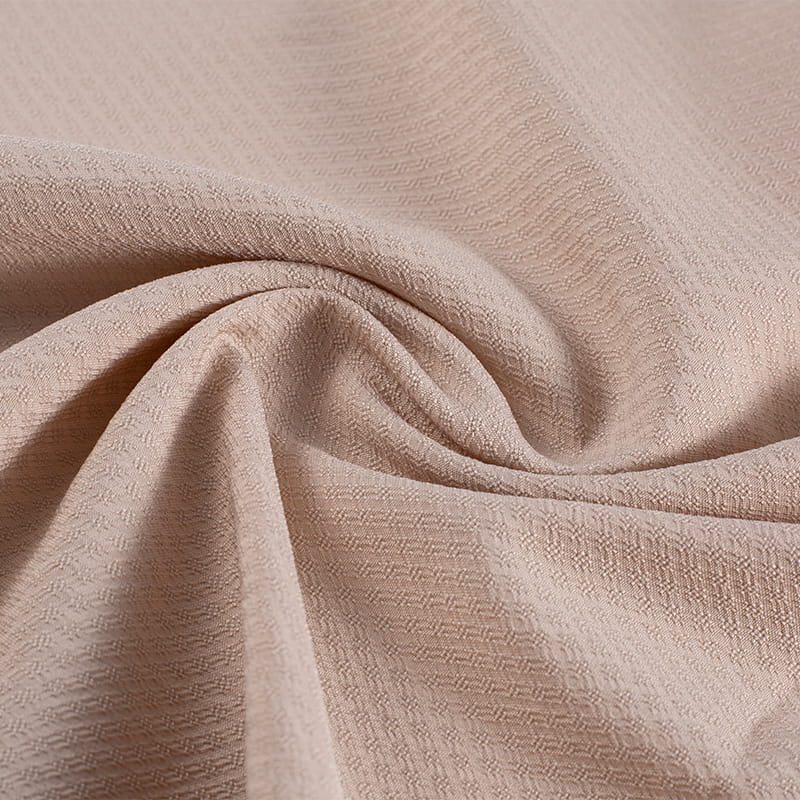
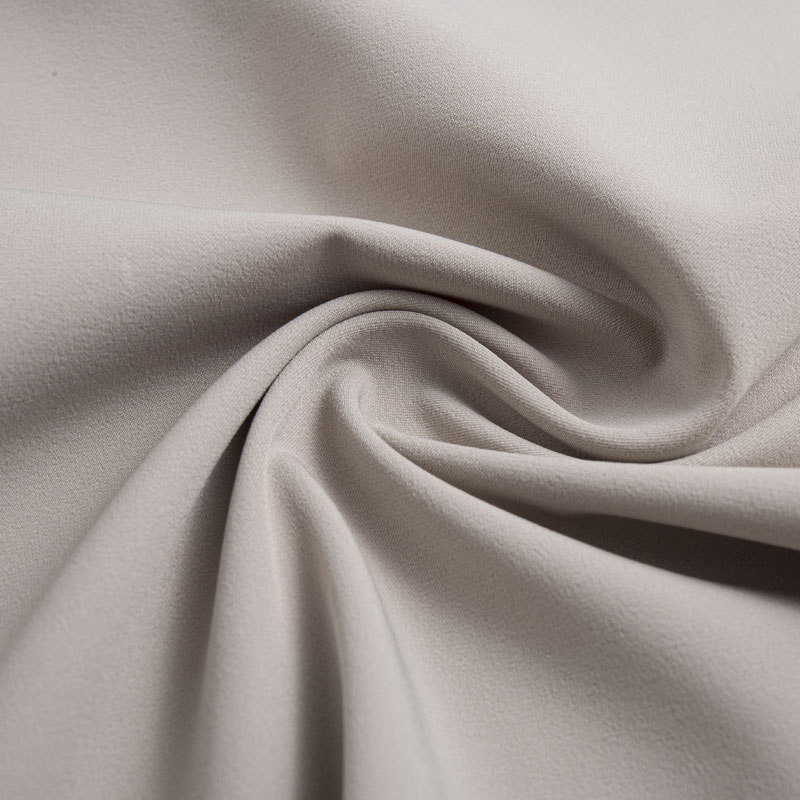
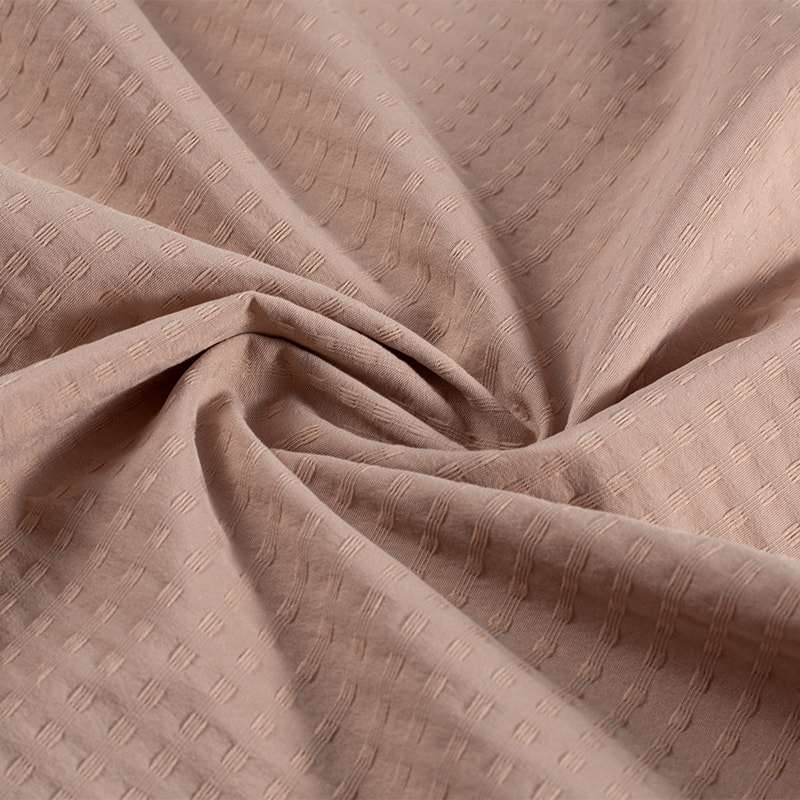
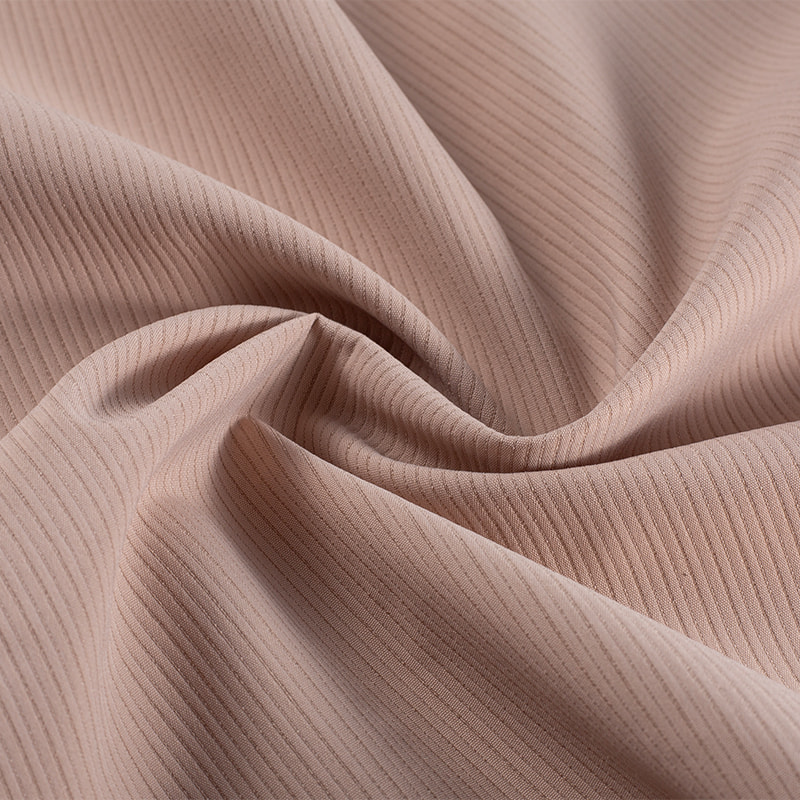
Fashion designers constantly seek materials that combine luxury with comfort. Stretch Satin Fabric offers the glossy surface of traditional satin plus the flexibility of elastane. Many professionals search for premium stretch satin fabric for evening gowns because of its elegant drape. Others need stretch satin fabric for bridesmaid dresses that allows all-day movement. For activewear, lightweight stretch satin fabric for athleisure wear provides a shiny finish without restriction. Cost-conscious buyers look for wholesale stretch satin fabric for fashion manufacturing, while eco-friendly brands prefer recycled stretch satin fabric for sustainable collections. This article explains the properties, applications, and selection criteria for this versatile textile.
What Makes Stretch Satin Different from Regular Satin?
Traditional satin uses a weave that creates a smooth, shiny face and a dull back. However, regular satin has no elasticity. Stretch Satin Fabric incorporates spandex (also called elastane) into the yarns. Typical composition is 92-97% polyester or nylon with 3-8% spandex. This small percentage adds significant comfort. The fabric can stretch 20-30% in the width direction. It recovers back to its original shape without sagging. This property makes it ideal for fitted garments like bodycon dresses or dance costumes.

Key Performance Characteristics
Quality stretch satin should have four main features. First, the luster must be uniform across the roll. Second, the fabric should not lose its stretch after repeated wear. Third, it must resist snagging because satin's long floats are vulnerable to sharp objects. Fourth, the color should remain stable under light exposure. Manufacturers with integrated weaving and finishing facilities achieve better control over these characteristics. Below is a comparison of stretch satin against regular satin and other stretch wovens.
Comparison of Stretch Satin with Similar Fabrics
The table below compares Stretch Satin Fabric with regular satin and stretch charmeuse based on real performance data.
| Fabric Type | Stretch Percentage (Width) | Surface Shine | Best Use |
|---|---|---|---|
| Regular Satin | 0-2% | High gloss | Loose dresses, linings |
| Stretch Satin Fabric | 20-30% | Medium to high gloss | Fitted gowns, dancewear |
| Stretch Charmeuse | 15-25% | Lower sheen, softer hand | Lingerie, sleepwear |
| Stretch Crepe | 10-20% | Matte finish | Workwear, tailored tops |
How to Select the Right Stretch Satin for Your Project
Choosing the correct Stretch Satin Fabric depends on three factors: weight, fiber content, and finish. Weight is measured in grams per square meter (GSM). Lightweight stretch satin (60-100 GSM) works for blouses and scarves. Medium weight (100-150 GSM) suits dresses and skirts. Heavyweight (150-200 GSM) is best for outerwear or structured gowns. For fiber content, polyester stretch satin resists wrinkles and costs less. Nylon stretch satin has a softer hand and better draping but costs 20-30% more. Always request a swatch before bulk ordering.
Finishes That Add Functionality
Modern mills apply various finishes to stretch satin. Anti-static finishes prevent the fabric from clinging to the body. This is especially useful for winter dresses. Moisture-wicking finishes pull sweat away from the skin, making lightweight stretch satin fabric for athleisure wear more practical. Water-repellent finishes allow the fabric to shed light rain. Anti-UV finishes (UPF 50+) protect the wearer during outdoor events. Some finishes are permanent, while others wash out after 20-30 cycles. Ask your supplier about the durability of each finish.
Sewing with Stretch Satin: Tips for Professional Results
Many home sewists find satin slippery and difficult to handle. Adding stretch makes it more forgiving but still requires care. Use a ballpoint needle (size 75/11) instead of a universal needle. The ballpoint tip slides between fibers without cutting them. Set your sewing machine to a narrow zigzag stitch (width 1.5mm, length 2.5mm). This stitch stretches with the fabric. For seams that need extra strength, use a three-step zigzag. Do not pull the fabric while sewing. Let the machine feed it naturally.
Preparation and Cutting Guidelines
- Pre-wash the fabric in cold water. Air dry or tumble dry on low. Polyester stretch satin shrinks less than 1%, but nylon blends may shrink up to 2%.
- Use pattern weights, not pins. Pins leave permanent holes in satin's surface.
- Cut with a rotary cutter on a self-healing mat. Scissors tend to drag and distort the weave.
- Place tissue paper between layers to prevent slipping during cutting.
- Mark seam allowances with tailor's chalk or water-soluble pens. Do not use wax tracing paper.
Applications Across Fashion Categories
Stretch Satin Fabric appears in many garment types. For evening wear, premium stretch satin fabric for evening gowns allows a close fit while the wearer sits, dances, or walks. Bridal designers choose stretch satin fabric for bridesmaid dresses because one size can fit multiple body shapes comfortably. In activewear, lightweight stretch satin fabric for athleisure wear adds a glossy accent to jackets or leggings. Costume designers use stretch satin for stage performances because it moves with the actor and reflects light beautifully. Even lingerie brands use soft nylon stretch satin for bras and camisoles.
Why Stretch Satin Is Growing in Popularity
The global demand for stretch woven fabrics has grown approximately 8% annually since 2020. Several reasons explain this trend. First, consumers want comfortable clothing that still looks formal. Second, stretch satin reduces the need for zippers or elastic bands in many designs. Third, the fabric travels well. It wrinkles less than regular satin. Fourth, modern manufacturing has lowered the cost. Ten years ago, stretch satin cost 2-3 times more than regular satin. Today, the premium is only 20-40% higher, depending on spandex content.
Sourcing Wholesale Stretch Satin: What to Verify
When looking for wholesale stretch satin fabric for fashion manufacturing, always check these five points. First, request a certificate for spandex content. Third-party testing confirms the elastane percentage. Second, ask for a stretch and recovery test report. Good stretch satin recovers to at least 95% of its original length after stretching. Third, confirm color consistency across different rolls. The industry tolerance is Delta E < 1.0. Fourth, check the roll length. Standard rolls are 50-60 yards. Fifth, ask about lead time. Stock colors ship in 5-10 days. Custom colors require 20-30 days.
Sustainability Aspects of Stretch Satin
Eco-conscious buyers now request recycled stretch satin fabric for sustainable collections. This material uses recycled polyester (rPET) from plastic bottles. Producing rPET uses about 50% less energy than virgin polyester. Some mills also use GRS-certified recycled nylon. However, note that spandex is rarely recycled today. So the elastane portion (3-8%) is typically virgin material. Ask your supplier if they offer mechanical recycling for production scraps. A few advanced mills can recycle up to 95% of cutting waste into new yarn.
FAQ
Can stretch satin be ironed without damaging the shine?
Yes, but with caution. Set your iron to the lowest heat setting (synthetic for polyester, low for nylon). Do not use steam directly on the fabric; water spots can leave marks. Always iron on the reverse side (the dull side) of the fabric. Use a pressing cloth (a thin cotton or muslin cloth) between the iron and the satin. Glide the iron rather than pressing down. For wrinkles, hanging the garment in a steamy bathroom for 10 minutes often works better than ironing.
How many washes does stretch satin maintain its elasticity?
Quality stretch satin retains 90% of its original stretch after 50 home washes (machine wash cold, gentle cycle, air dry). After 100 washes, elasticity drops to about 80%. To extend life, turn garments inside out before washing. Use a mesh laundry bag. Never use fabric softener, as it coats the spandex fibers and reduces recovery. Avoid high-heat drying; heat above 140°F (60°C) degrades elastane permanently. With proper care, stretch satin garments last 3-5 years of regular use.
What is the typical price for wholesale stretch satin fabric?
Wholesale prices depend on fiber, weight, and finish. Basic polyester stretch satin (100 GSM, 5% spandex) costs $2.50 to $4.00 per yard FOB China. Nylon stretch satin ranges from $4.00 to $7.00 per yard. Premium recycled polyester stretch satin costs $4.50 to $6.50 per yard. These prices apply to orders of 1000+ yards per color. Small orders (under 200 yards) cost 30-50% more. Always request a proforma invoice that includes shipping and handling fees.
References
- Textile World. (2023). Global Stretch Fabric Market Analysis 2023-2028.
- ASTM International. (2021). ASTM D3107 - Standard Test Methods for Stretch Properties of Fabrics.
- Oeko-Tex. (2024). Standard 100 Limit Values and Certification.
- M&R Dyeing & Finishing. (2022). Technical Bulletin: Finishing Stretch Woven Fabrics.
- China Textile Information Network. (2023). Shengze Fabric Export Report: Stretch Fabrics Segment.