

 English
 한국어
한국어 Español
Content
- 1 The Core Functions of Surfing Pants
- 2 Essential Fabric Technologies for Water Sports
- 3 Key Design Features for Optimal Performance
- 4 Comparing Fabric Types for Water Environments
- 5 Seasonal Trends and Functional Fashion
- 6 Quality Control in Textile Manufacturing
- 7 Sustainability in Modern Fabric Production
- 8 Frequently Asked Questions
- 9 References
The Core Functions of Surfing Pants
Water sports demand highly specialized clothing. A pair of Beach Surfing Pants must handle constant exposure to saltwater, sand, and intense sunlight. Regular swimwear quickly degrades under these harsh conditions. Professional surfing pants use advanced textile engineering to maintain their shape and protective qualities. The fabric needs to stretch with the athlete during complex maneuvers. It also needs to dry rapidly to prevent chafing and body heat loss. Modern textile manufacturers integrate weaving, dyeing, and finishing processes to create fabrics that meet these exact athletic demands.
Essential Fabric Technologies for Water Sports
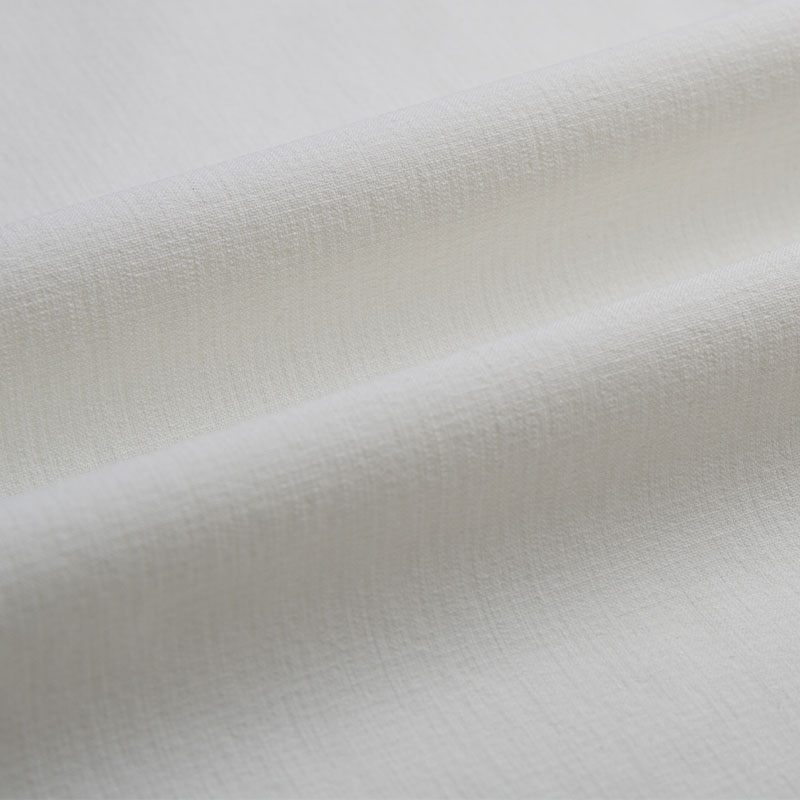
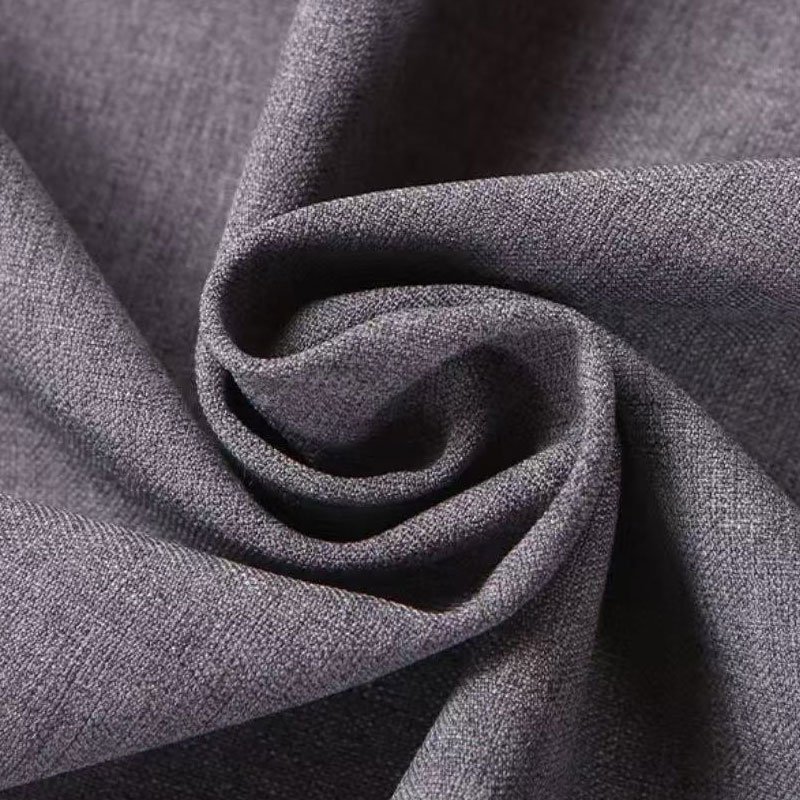
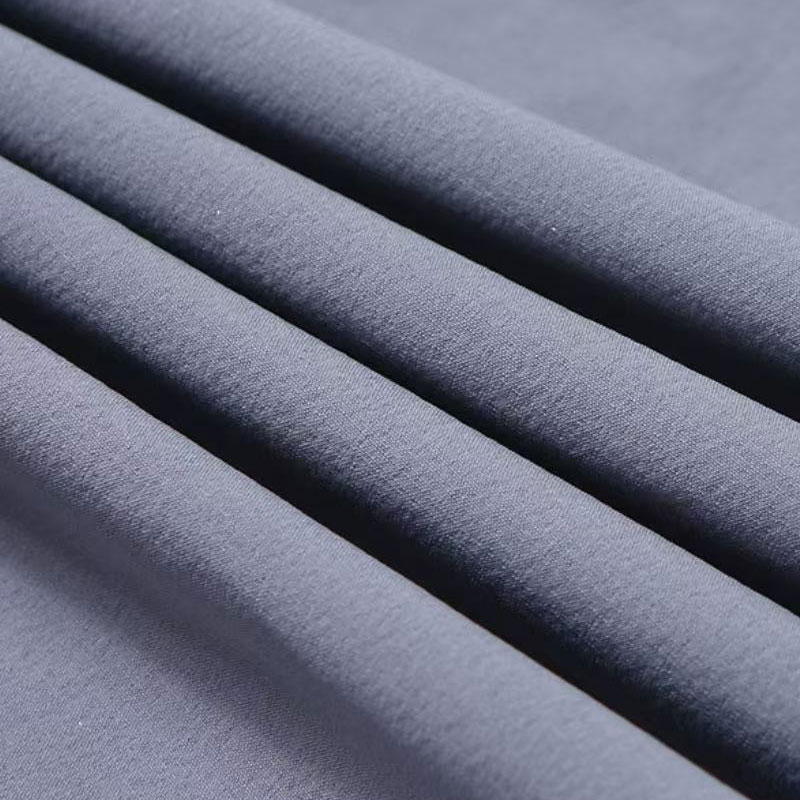
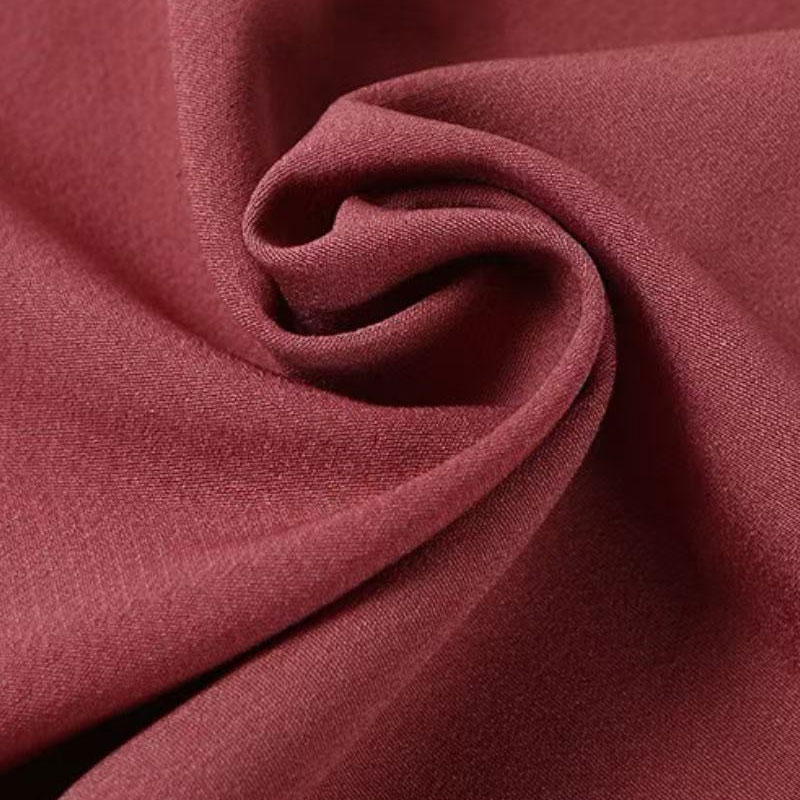
The performance of water sport garments relies entirely on the raw materials. Fabric mills with over 30 years of experience in stretch and functional textiles understand these requirements deeply. They develop specific chemical fiber fabrics to enhance athletic performance.
- Moisture absorption and quick drying capabilities
- Four-way stretch for unrestricted movement
- Chlorine and saltwater resistance
- Anti-ultraviolet treatments for sun protection
The Importance of Quick Drying Materials
Wet fabric creates friction against the skin during physical activity. This friction causes severe chafing and skin irritation. Quick dry beach surfing pants utilize engineered fibers that repel water on the surface while allowing moisture to escape. This technology ensures the garment feels lightweight within minutes of leaving the ocean. Fast drying also prevents the wearer from experiencing dangerous drops in body temperature on windy beaches.
Ultraviolet Protection in Textiles
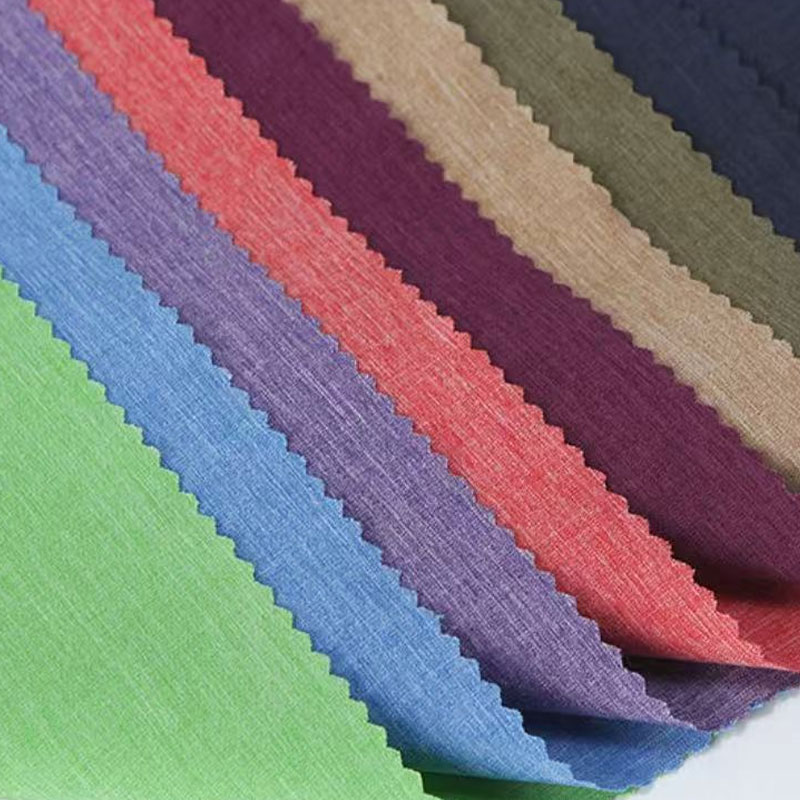
Sun exposure increases significantly near water due to reflective UV rays. Standard cotton fabrics offer minimal protection against these rays. High-quality surfing pants feature built-in anti-ultraviolet treatments. These treatments block a significant percentage of harmful UVA and UVB radiation. This fabric technology acts as a permanent shield, unlike topical sunscreens that wash away in the waves.
Key Design Features for Optimal Performance
Beyond the fabric itself, the structural design of the garment dictates its usefulness in the water. Athletes need garments that stay in place during heavy wave activity.
Secure Closure Systems
Heavy waves can easily rip away poorly designed clothing. A reliable pair of men's beach surfing pants features heavy-duty flatlock seams and reinforced waistbands. These closure systems distribute tension evenly across the garment. The result is a secure fit that withstands the impact of crashing waves without causing discomfort.
Pocket and Drainage Design
Carrying personal items to the beach requires secure storage. However, traditional pockets trap water and add uncomfortable weight. Modern surfing pants include mesh-lined pockets with drain holes. These drainage systems allow water to flow out instantly. This design ensures that keys or wax remain secure while the pants stay lightweight in the surf.
Comparing Fabric Types for Water Environments
Consumers often face a choice between different fabric compositions when selecting water sports gear. The material composition directly affects durability, stretch, and comfort. Understanding the differences helps buyers make informed decisions based on their specific needs. Standard swimwear fabrics differ greatly from advanced athletic textiles.
| Feature | Standard Polyester Blend | Advanced Nylon Stretch Fabric |
| Stretch Recovery | Moderate | High |
| Abrasion Resistance | Low to Moderate | High |
| Quick Dry Speed | Standard | Fast |
| Color Fastness in Saltwater | Moderate | Excellent |
Seasonal Trends and Functional Fashion
Athleisure wear has heavily influenced modern surf fashion. Consumers no longer want gear that only works in the water. They demand versatile clothing that looks appropriate on the boardwalk. Lightweight surfing pants for summer now feature streamlined silhouettes and contemporary color palettes. Textile manufacturers release new fabric items seasonally to guide these fashion trends. These new fabrics combine aesthetic appeal with high-end functional properties. The integration of fashion and functionality allows athletes to transition seamlessly from the ocean to casual social settings.
Quality Control in Textile Manufacturing
The durability of surfing pants depends heavily on the manufacturing standards of the fabric mill. Reputable textile companies implement quality control systems that exceed normal industry standards. These systems test fabrics for tensile strength, colorfastness, and pilling resistance. A strict management system ensures that every batch of chemical fiber fabric performs consistently. This rigorous testing guarantees that the final garment survives hundreds of hours in saltwater and direct sunlight.
Sustainability in Modern Fabric Production
The textile industry is shifting toward environmentally friendly practices. Modern fabric production centers focus on energy saving and health concepts. Manufacturers now produce functional fabrics that reflect these environmental values. Sustainable dyeing processes reduce water waste and prevent chemical runoff into local ecosystems. These eco-friendly production methods ensure that the creation of water sports gear does not harm the ocean environments where athletes use them.
Frequently Asked Questions
What is the best material for surfing pants?
Advanced nylon stretch fabrics are the best choice for surfing pants. Nylon offers superior abrasion resistance against surfboards and sand. The inclusion of elastane provides the necessary four-way stretch for athletic movements. Additionally, nylon fabrics hold anti-ultraviolet and water-repellent treatments better than traditional polyester blends.
How should I care for my surfing pants to make them last longer?
You should rinse your surfing pants with fresh cold water immediately after every use to remove salt and sand. You must avoid using a washing machine or harsh detergents, as these elements break down the water-repellent coatings. You can hand wash the garment gently and let it air dry completely in the shade to prevent UV damage to the fibers.
Can I wear surfing pants for activities other than surfing?
Yes, you can wear them for various water and land activities. The quick-drying and anti-ultraviolet features make them excellent for paddleboarding, kayaking, and beach volleyball. The modern athleisure designs also make them suitable for casual summer outings, providing versatility that standard swimwear lacks.
References
- Textile Research Journal. (2020). Durability and Stretch Recovery of Elastane-Blended Woven Fabrics in Aquatic Environments.
- Journal of Engineered Fibers and Fabrics. (2021). Evaluation of Water Repellent and Quick-Drying Finishes on Nylon Textiles.
- AATCC Review. (2019). Standard Testing Methods for Ultraviolet Protection Factors in Performance Fabrics.
- International Journal of Clothing Science and Technology. (2022). The Integration of Athleisure Design Principles in Professional Water Sports Apparel.
- Environmental Science & Technology. (2021). Sustainable Dyeing and Finishing Processes in the Modern Textile Industry.