

 English
 한국어
한국어 Español
Content
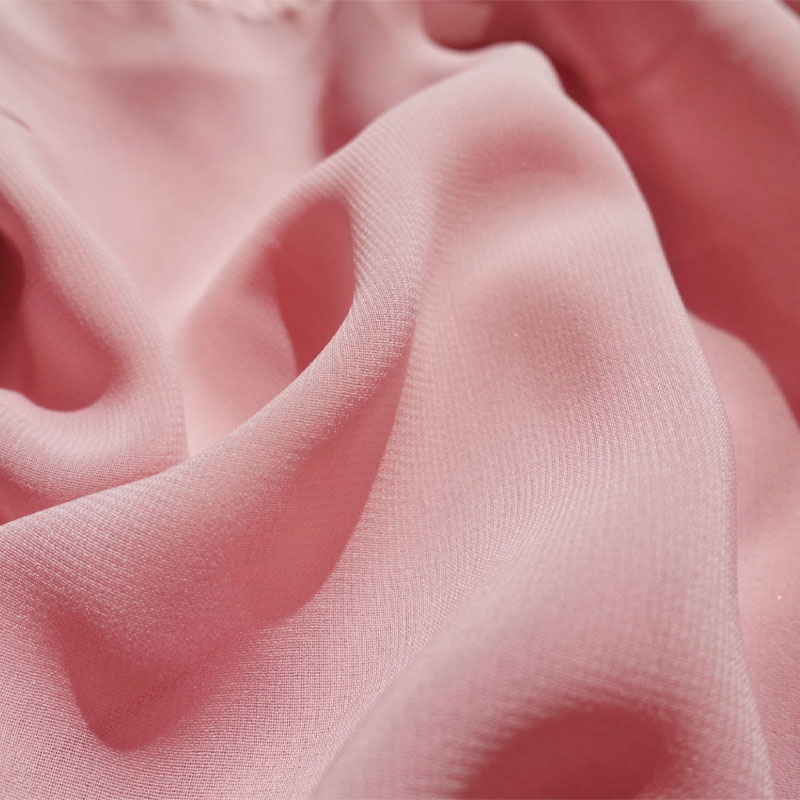
Fashion designers and garment manufacturers often face a key decision: which fabric provides both elegance and practicality? Chiffon Garment Fabrics offer a lightweight, semi-transparent option with a distinct drape. Many professionals seek lightweight chiffon garment fabrics for summer dresses because of their breathability. Others need printed chiffon garment fabrics for bridal wear to achieve decorative effects. For performance wear, stretch chiffon garment fabrics for athleisure designs are gaining popularity. Bulk buyers often search for wholesale chiffon garment fabrics for fashion manufacturing, while eco-conscious brands prefer eco-friendly chiffon garment fabrics for sustainable fashion. This guide explains how to select, use, and source these materials effectively.
What Defines Quality Chiffon Garment Fabrics?
Quality chiffon is determined by fiber type, weave density, and finishing. Traditional chiffon uses silk, but modern versions use polyester, nylon, or blends. A high-quality Chiffon Garment Fabrics product should feel soft but not flimsy. It must resist snagging during sewing. Also, the fabric should have uniform twist in the yarns, which creates the signature crinkled surface. Manufacturers with over 30 years of experience, like those in major textile hubs, often produce superior chiffon because they control weaving, dyeing, and finishing in-house.
Key Properties to Evaluate
Before buying, test these four characteristics. First, check the weight. Lightweight chiffon (around 30-50 gsm) works well for overlays. Heavier chiffon (50-70 gsm) offers more structure. Second, assess transparency. Some projects need high sheerness, while others require semi-sheer. Third, stretch the fabric gently. Stretch chiffon garment fabrics for athleisure designs typically contain 5-10% spandex. Fourth, examine colorfastness. A simple test: rub a white cloth on the fabric. No color transfer indicates good dyeing.
Comparison of Chiffon Types by Fiber Content
The table below compares common chiffon types based on durability, cost, and typical use.
| Fiber Type | Durability | Cost Level | Best Application |
|---|---|---|---|
| Polyester Chiffon | High (resists wrinkles) | Low to Moderate | Everyday blouses, scarves |
| Nylon Chiffon | Medium (softer but less heat-resistant) | Moderate | Lingerie, dancewear |
| Silk Chiffon | Low (requires careful handling) | High | Luxury bridal veils, evening gowns |
| Spandex-Blend Chiffon | High (good recovery) | Moderate | Athleisure, fitted tops |
How to Sew Chiffon Garment Fabrics Without Frustration
Many sewists avoid chiffon because it slips and frays. However, the right techniques make sewing easy. Use a microtex needle (size 70/10) to create clean holes. Set your machine to a straight stitch or a narrow zigzag. Reduce the presser foot pressure if possible. Also, place tissue paper under the fabric during sewing. This paper prevents the feed dogs from pulling the chiffon downward. After stitching, tear the paper away gently. For hemming, a rolled hem foot is ideal. It folds the edge twice and stitches it in one pass.
Pre-Treatment and Cutting Tips
- Wash or steam the fabric before cutting. Polyester chiffon shrinks less than 2%, but silk chiffon can shrink up to 5%.
- Lay the fabric on a flat surface. Use pattern weights, not pins. Pins create permanent holes.
- Cut with a rotary cutter and a fresh blade. Scissors tend to pull the fabric.
- Spray starch lightly on the edges to reduce curling. Test on a scrap first.
Functional Finishes for Modern Chiffon Applications
Today’s Chiffon Garment Fabrics are not just about looks. Factories can add finishes for specific needs. For example, water-repellent chiffon works for rainwear overlays. Anti-UV chiffon (UPF 50+) protects skin during summer. Anti-bacterial finishes are useful for scarves worn daily. Moisture-wicking chiffon pulls sweat away from the body, making it suitable for light sportswear. These finishes do not change the fabric’s drape significantly when applied correctly.
Why Sustainability Matters in Chiffon Production
More brands now demand eco-friendly chiffon garment fabrics for sustainable fashion. Recycled polyester chiffon is a popular option. It uses PET bottles as raw material, reducing petroleum use by about 30% compared to virgin polyester. Another approach is using Oeko-Tex certified dyes, which contain no heavy metals. Some mills also recover heat from dyeing machines to lower carbon footprints. When you see certifications like GRS (Global Recycled Standard) or Oeko-Tex 100, you can trust the fabric’s green claims.
Sourcing Wholesale Chiffon: What to Ask Suppliers
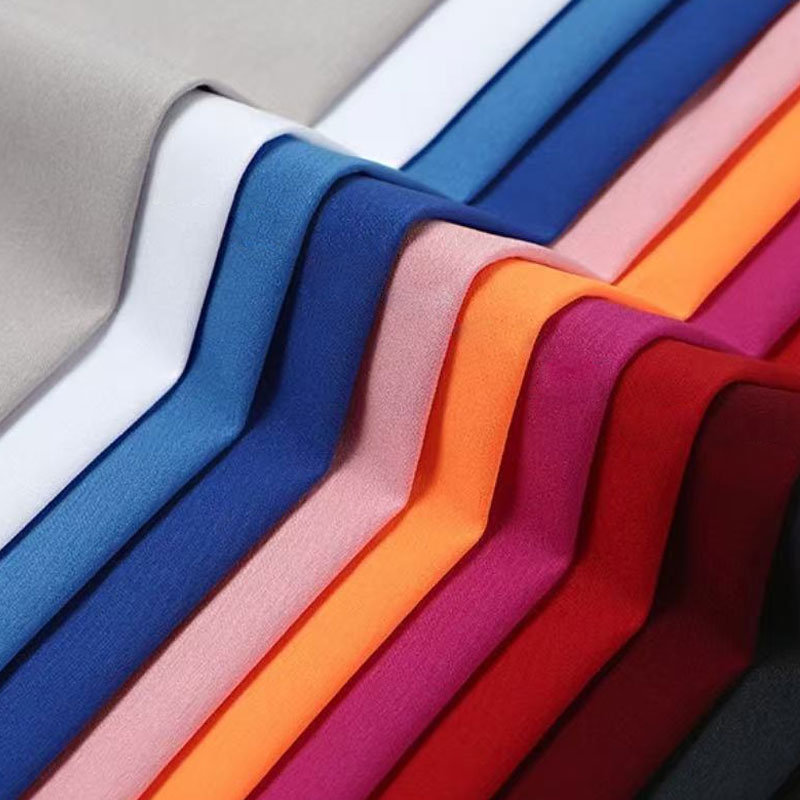
When searching for wholesale chiffon garment fabrics for fashion manufacturing, ask specific questions. First, request a color card. Reliable suppliers offer at least 50 standard colors. Second, ask about minimum order quantity (MOQ). For wholesale, MOQ is often 500-1000 yards per color. Third, confirm lead time. Stock fabrics ship in 5-10 days. Custom colors take 20-30 days. Fourth, request a lab test report for colorfastness (rating 4 or above on a 1-5 scale). Fifth, ask about roll lengths. Standard rolls are 50-60 yards, but some suppliers offer 100-yard rolls for bulk cutting.
Checklist for Evaluating a Chiffon Supplier
- Years in business (30+ years indicates stability)
- In-house weaving and finishing (better quality control)
- Certifications (Oeko-Tex, GRS, ISO 9001)
- Export experience to North America, Europe, or Oceania
- Ability to provide printed chiffon garment fabrics for bridal wear with custom patterns
Common Mistakes When Using Chiffon Garment Fabrics
One common mistake is using the wrong needle. A universal needle blunts quickly on chiffon, causing skipped stitches. Another error is pulling the fabric while sewing. Chiffon stretches slightly when pulled, then shrinks back, creating wavy seams. A third mistake is ignoring grainline. Chiffon’s weave can shift, so always align pattern pieces along the grain. Finally, many people skip a test sample. Always sew a 12" x 12" sample before cutting into expensive yardage. This test reveals how the fabric behaves with your machine and stitch settings.
FAQ
Is chiffon fabric suitable for beginners?
Chiffon is challenging for absolute beginners due to its slippery texture and tendency to fray. However, a beginner who has completed 3-4 projects with stable woven fabrics can attempt chiffon. Start with polyester chiffon, which is more forgiving than silk. Use a spray starch and tissue paper as described above. Many beginners succeed by practicing on small items like scarves (1 yard of fabric) before making a full garment.
How do I remove wrinkles from chiffon without damaging it?
Set your iron to a low temperature (synthetic setting for polyester/nylon, silk setting for silk chiffon). Do not use steam directly on the fabric; water spots may appear. Instead, use a pressing cloth (a thin cotton cloth) between the iron and the chiffon. Glide the iron gently without pressing down hard. Alternatively, hang the garment in a steamy bathroom for 10 minutes. Wrinkles will relax naturally. Never use high heat, as it melts polyester chiffon.
What is the typical price range for wholesale chiffon garment fabrics?
Wholesale prices vary by fiber and finish. Basic polyester chiffon costs $1.50 to $3.00 per yard (FOB China). Nylon chiffon ranges from $2.50 to $5.00 per yard. Spandex-blend chiffon costs $3.00 to $6.00 per yard. Silk chiffon is the highest, at $8.00 to $20.00 per yard. These prices are for orders of 1000+ yards. Small quantities (under 100 yards) cost 30-50% more. Always add shipping and customs duties if importing.
References
- Textile Exchange. (2023). Preferred Fiber and Materials Market Report.
- Oeko-Tex. (2024). Standard 100 Certification Requirements. Zurich: Oeko-Tex Association.
- ASTM International. (2022). ASTM D3776 - Standard Test Methods for Mass Per Unit Area of Fabric.
- Cotton Incorporated. (2021). Fabric Finishing Handbook: Performance and Sustainability.
- China Textile Information Center. (2023). Annual Report on Woven Fabric Exports from Shengze.