

 English
 한국어
한국어 Español
Content
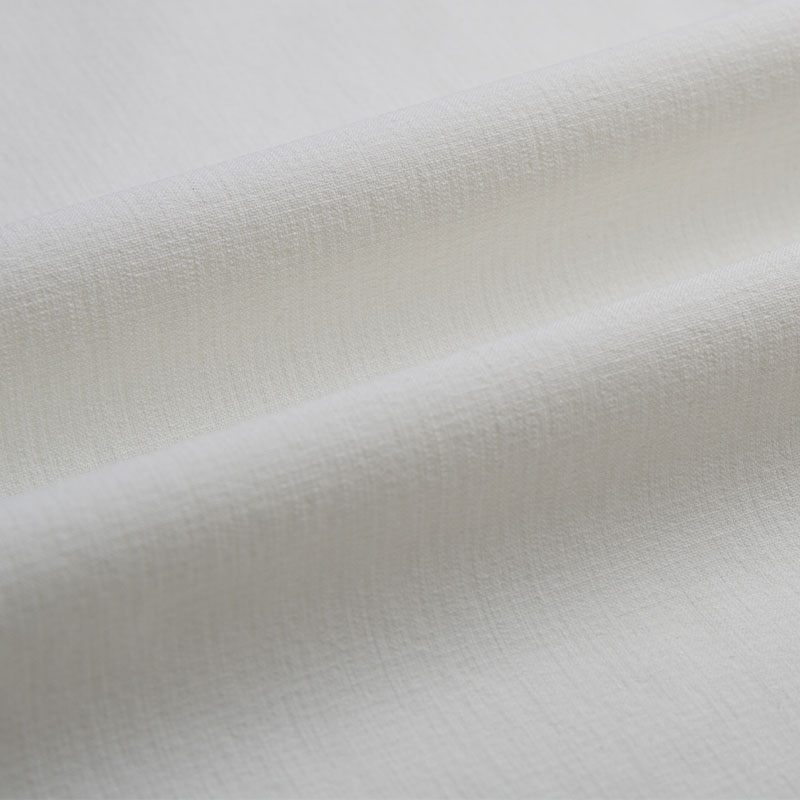
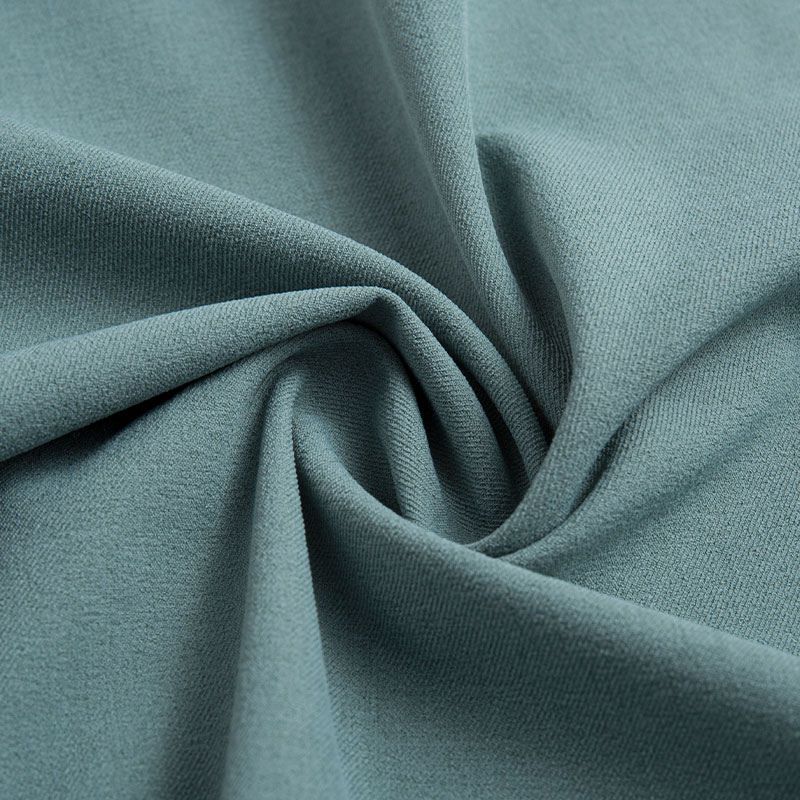
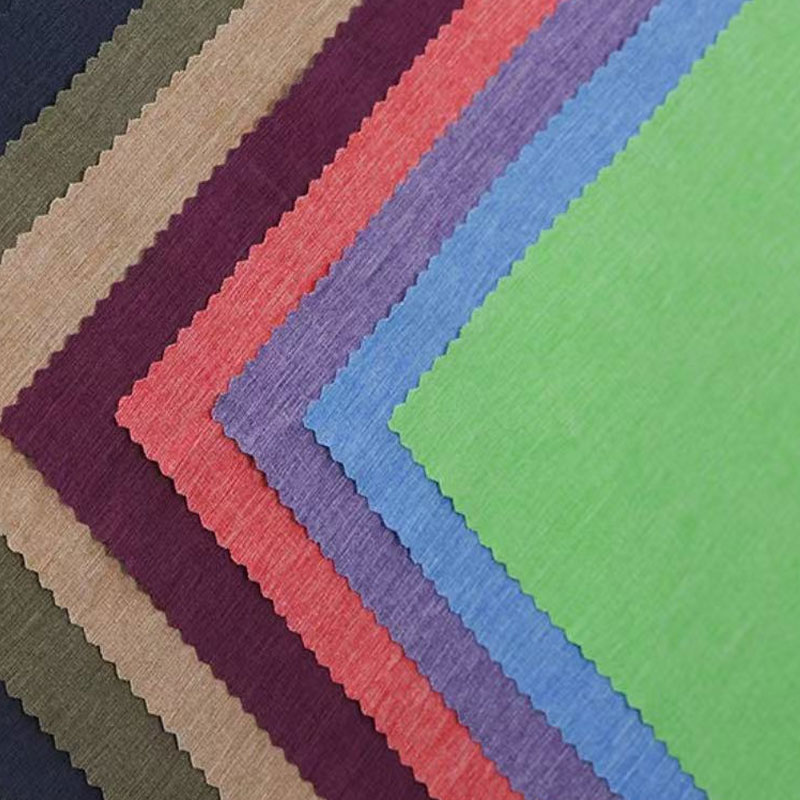
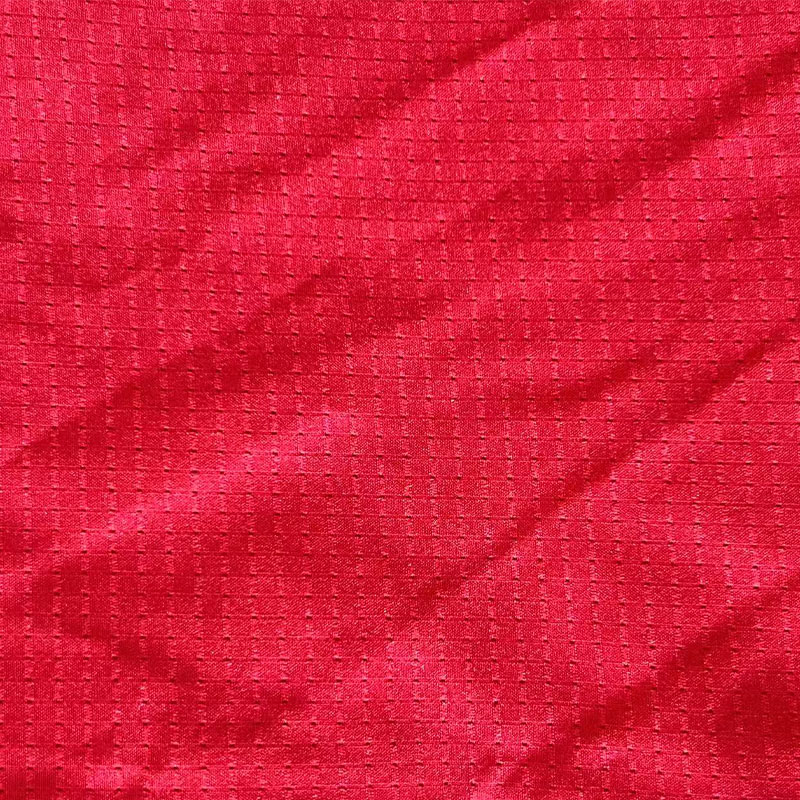
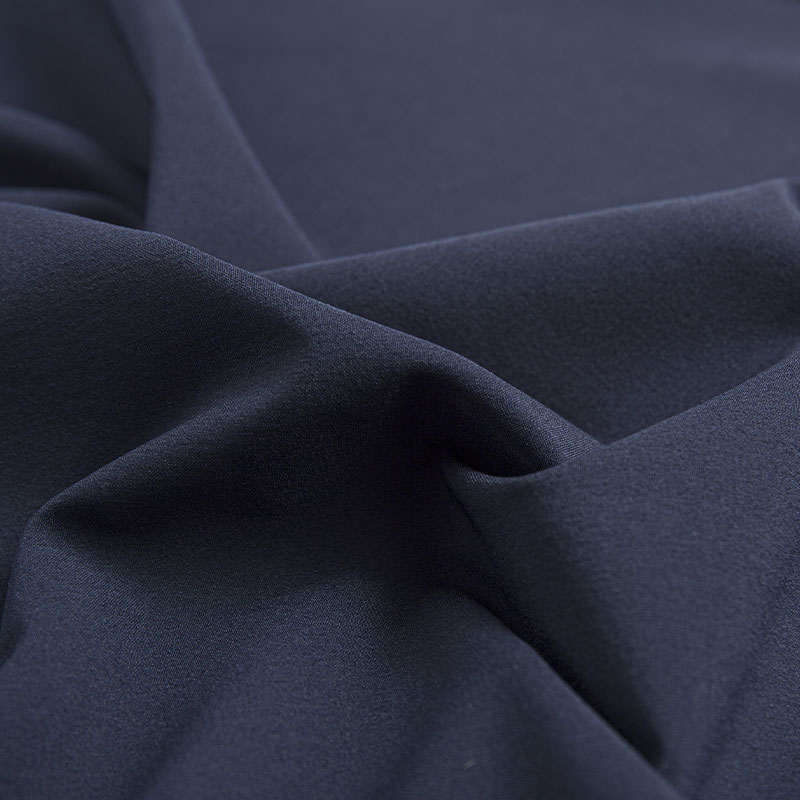
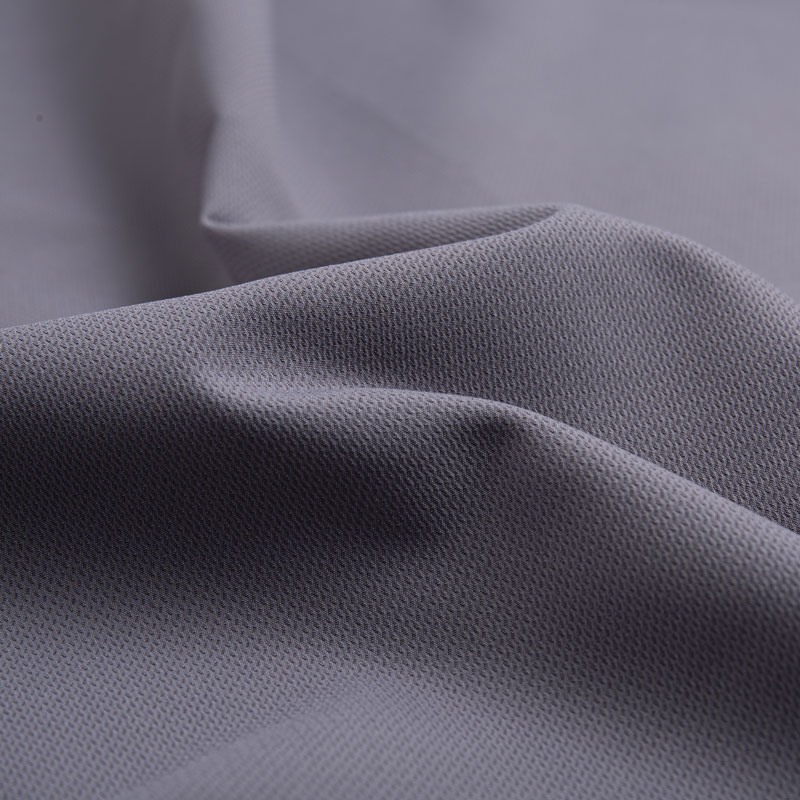
In the field of modern textiles, Woven Elastic Waterproof Fabrics are gradually becoming the preferred choice for outdoor clothing and functional gear. Their unique weaving structure and waterproof treatment allow the fabric to resist water while maintaining excellent elasticity, providing wearers with comfort and flexibility. Whether in urban rainy commutes or extreme outdoor adventures, this type of fabric delivers reliable performance.
Compared to traditional waterproof materials, Woven Elastic Waterproof Fabrics focus more on the integration of material and structure. The fabric maintains waterproofing while allowing stretch to accommodate body movements. This not only makes daily wear more flexible but also allows professional sports gear to perform excellently under high-intensity activities. Meanwhile, the durability and breathability of the fabric ensure that its performance remains stable over time, making it an ideal choice for outdoor enthusiasts and professionals alike.
Core Features of Woven Elastic Waterproof Fabrics
Waterproofing and Structural Advantages
The primary feature of Woven Elastic Waterproof Fabrics is its excellent waterproofing. The fabric typically achieves liquid resistance through tight weaving and surface coating treatment, making water penetration difficult. Compared to ordinary waterproof fabrics, its structure is more robust, capable of withstanding heavy rain, snow, and humid environments. The tightly arranged fibers, combined with a durable surface coating, effectively prevent water from entering.
In practical applications, this waterproofing allows raincoats, hiking jackets, and ski jackets to keep the wearer dry in harsh weather. Outdoor equipment such as tents and backpacks also benefit, ensuring that items remain protected from water.
Elasticity and Comfort
Besides waterproofing, elasticity is another core advantage of Woven Elastic Waterproof Fabrics. Elastic fibers such as spandex or Lycra are often incorporated, allowing the fabric to stretch and recover to its original shape. This elasticity ensures comfort, especially in activities requiring large movements, such as hiking, climbing, or skiing.
Elasticity not only enhances mobility but also reduces discomfort caused by fabric restriction during movement. The fabric adapts to the body’s motions, enabling freer activity while maintaining durability and waterproof performance.
Durability and Long-Term Use
Durability is an important measure of fabric value. Woven Elastic Waterproof Fabrics are usually made from high-strength polyester or nylon and combined with high-quality coatings to ensure long-lasting use. The fabric can resist abrasion, stretching, and repeated washing while maintaining elasticity and waterproof performance.
This durability is suitable not only for outdoor sports but also for industrial and professional protective clothing. For example, in safety or workwear, Woven Elastic Waterproof Fabrics ensures protection and comfort even in high-intensity work environments.
Breathability and Moisture Management
High-performance fabrics need to balance waterproofing with breathability. The design of Woven Elastic Waterproof Fabrics uses micro-pore structures or composite membranes to allow water vapor and sweat to escape while preventing liquid water from penetrating. Breathability reduces heat buildup during exercise or extended wear, improving overall comfort.
This balance of waterproofing and breathability makes the fabric ideal for activities such as hiking, skiing, and cycling, maintaining dryness and comfort even in high-sweat conditions.
Comparison with Other Materials
Woven Elastic Waterproof Fabrics vs Stretchable Waterproof Material
Compared with ordinary stretchable waterproof materials, Woven Elastic Waterproof Fabrics focus more on structure and durability. It can withstand heavy rain and snow while maintaining elasticity and comfort. In contrast, standard stretchable waterproof materials are often used for lightweight, short-term protective gear, with limited durability and waterproof performance.
Woven Elastic Waterproof Fabrics vs Water-Resistant Textiles
Compared with general water-resistant textiles, Woven Elastic Waterproof Fabrics offers a more comprehensive performance. Water-resistant textiles may only perform under light rain or mist and can allow water penetration over time, whereas Woven Elastic Waterproof Fabrics provides enhanced abrasion resistance, durability, and elasticity.
Woven Elastic Waterproof Fabrics vs Breathable Elastic Fabrics
While breathable elastic fabrics emphasize comfort and ventilation, they often lack strong waterproof capabilities. Woven Elastic Waterproof Fabrics maintains both elasticity and breathability while providing reliable water resistance, making it suitable for various conditions.
Woven Elastic Waterproof Fabrics vs Durable Elastic Cloth
Durable elastic cloth emphasizes stretch recovery and wear resistance but may not be waterproof. Woven Elastic Waterproof Fabrics combines durability, elasticity, and waterproof performance, making it an ideal material for outdoor sports and professional protective wear.
Applications
Outdoor Sports
Woven Elastic Waterproof Fabrics is a core material for outdoor sports apparel. It provides essential waterproof and elastic protection for activities such as hiking, skiing, trekking, and cycling. The fabric’s abrasion resistance and breathability allow athletes to remain comfortable under high-intensity activity and harsh conditions.
Hiking jackets and ski suits are designed to leverage the fabric’s properties, offering both wind and water resistance while maintaining flexibility. Outdoor gear such as tents and backpacks also use this fabric to enhance durability and waterproof performance, ensuring peace of mind during outdoor adventures.
Everyday Protection
In urban life, this fabric is increasingly popular for lightweight raincoats, windbreakers, and sports jackets. Its elasticity and waterproof properties make daily commuting and light exercise more comfortable, combining protection with freedom of movement.
Industrial and Professional Applications
In industrial and professional settings, fabric requirements are more stringent. Woven Elastic Waterproof Fabrics is used in safety uniforms, protective clothing, and workwear, offering waterproof protection while ensuring comfort and durability. High-strength weaving and quality coatings ensure the fabric maintains its properties over prolonged use, providing safety and efficiency in work environments.
Purchasing Guide: How to Choose the Right Fabric
When selecting Woven Elastic Waterproof Fabrics, consider factors such as waterproof performance, elasticity, durability, and breathability. Different applications require different fabric properties, so understanding structure and performance is essential.
First, examine the fabric density and fiber type. High-density polyester or nylon provides superior waterproofing and abrasion resistance while maintaining stability during stretching. The proportion of elastic fibers affects comfort; for sports or outdoor activities, sufficient spandex or Lycra ensures the garment moves freely and recovers its shape.
Next, the quality of coatings and composite membranes determines waterproofing and breathability. High-quality coatings block liquid water while allowing sweat vapor to escape. For high-intensity sports or extreme weather, fabrics with multi-layer composites or micro-pore designs are preferable.
Durability is equally important. In high-friction or long-term use scenarios, abrasion resistance determines garment lifespan. Industrial protective gear or outdoor exploration equipment should prioritize reinforced or thickened fabrics to ensure lasting performance.
Lastly, consider touch and comfort. Even if waterproof and durable, rough or insufficiently elastic fabrics reduce wearability. Feel the fabric, check its softness, elasticity, and recovery, ensuring practicality and comfort.
Care and Maintenance: Extending Fabric Lifespan
The waterproof and elastic properties of Woven Elastic Waterproof Fabrics require proper care. Improper washing or storage can damage coatings or fibers, reducing performance.
Wash at moderate temperatures (30–40°C) using mild detergents, avoiding bleach or harsh chemicals. Hand washing or gentle machine cycles are recommended. Avoid high heat and vigorous friction, which can compromise the coating and elastic fibers.
Drying is critical. Avoid direct sunlight and high-temperature dryers; air drying in a ventilated area is best. For heavy or multi-layer fabrics, lay flat to maintain shape. Periodic checks of waterproofing and elasticity help detect minor damage early. Minor wear can be repaired using waterproof sprays or membrane patches.
Elastic fibers should be protected from long-term folding or pressure, preserving stretch and preventing fatigue over time.
Practical Tips and Usage Recommendations
Proper layering maximizes the benefits of Woven Elastic Waterproof Fabrics. In outdoor sports, inner layers wick moisture, mid-layers retain heat, and outer layers provide waterproof elastic protection. This combination ensures comfort and effective protection.
Choose fabric thickness and coating type based on application. Hiking or ski jackets require moderate thickness for wind and water protection without hindering movement. Lightweight raincoats benefit from thin fabrics for portability. Outdoor gear like backpacks or tents should prioritize abrasion-resistant, highly waterproof fabrics.
For long-term storage, keep fabrics dry and ventilated. Regular cleaning prevents dirt buildup, maintaining surface smoothness and extending lifespan.
Conclusion
Woven Elastic Waterproof Fabrics seamlessly combines waterproofing, elasticity, durability, and breathability, making it indispensable in modern outdoor clothing and professional protective equipment. It meets high-intensity demands of outdoor sports while also serving everyday protective and industrial applications, offering comprehensive protection and comfort.
Paying attention to fabric structure, coating quality, abrasion resistance, and touch helps select the right product for your needs. Proper washing, drying, and storage prolong fabric life, keeping waterproofing and elasticity stable over time.
As technology advances, the performance of Woven Elastic Waterproof Fabrics in protection and comfort will continue to improve, providing reliable support for outdoor enthusiasts, professionals, and everyday users. Choosing the right waterproof elastic fabric enhances both gear performance and overall comfort and safety.