

 English
 한국어
한국어 Español
Content
- 1 Material Composition and Polymer Structure Analysis of chiffon garment
- 2 Weave Density, Twist Factor, and Surface Morphology
- 3 Mechanical Performance and Fabric Strength Evaluation
- 4 Optical Properties and Dyeing Stability
- 5 Tactile Performance and Drapability Engineering
- 6 Garment Construction and Seam Engineering
- 7 Process Control in Finishing and Surface Treatment
- 8 Lifecycle Performance and Maintenance Behavior
- 9 FAQ
- 10 Technical References
Material Composition and Polymer Structure Analysis of chiffon garment
1. The primary distinction in a chiffon garment begins with fiber composition, directly answering What are the differences between silk chiffon and polyester chiffon garment.
2. Silk chiffon is composed of natural protein fibers (fibroin), exhibiting higher moisture regain (approximately 11%) and better thermoregulation compared to polyester (approximately 0.4%).
3. Polyester chiffon relies on polyethylene terephthalate (PET), offering higher tensile strength (300–900 MPa) but lower flexibility and reduced drape performance.
4. In evaluating What are the main characteristics of high-end chiffon garment materials, fiber uniformity and filament fineness (measured in denier) are critical indicators.
Weave Density, Twist Factor, and Surface Morphology
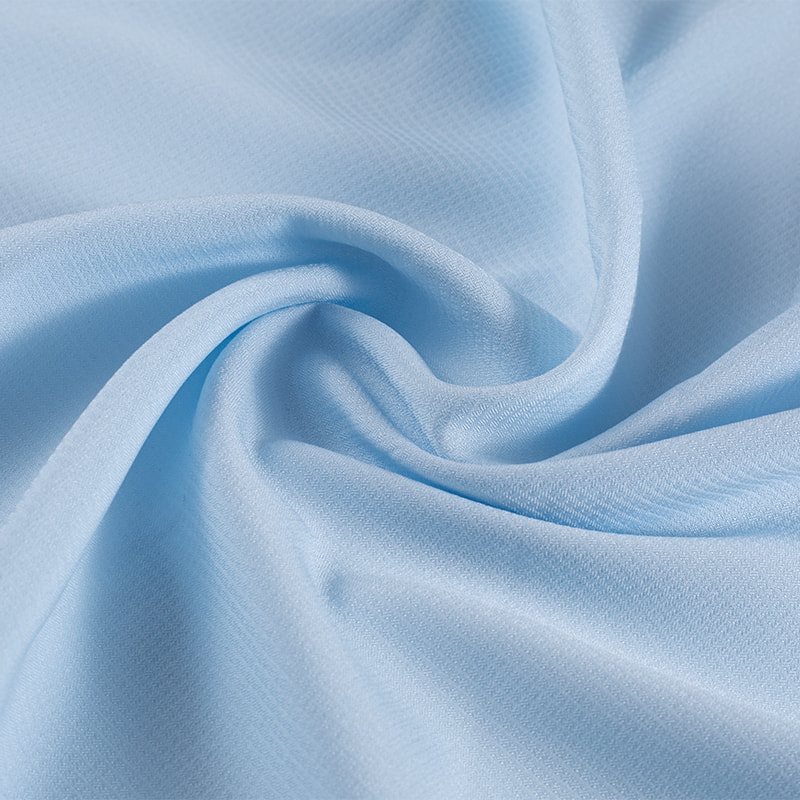
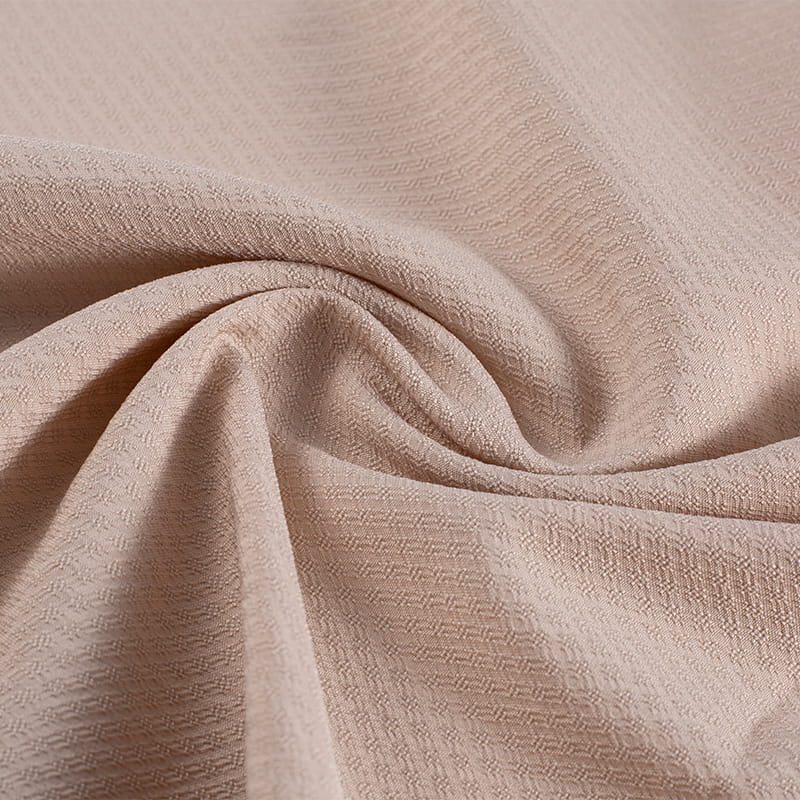
1. Chiffon is typically constructed using a plain weave with high twist yarns (S-twist and Z-twist alternation), contributing to its characteristic crinkled surface.
2. The twist factor (TPI, twists per inch) directly affects elasticity and shear strength, supporting How does the weave affect the durability of chiffon garment.
3. High-quality chiffon fabrics maintain consistent yarn spacing and minimal warp distortion under tensile stress.
4. In relation to Why is thread count important when selecting chiffon garment fabrics, higher thread density improves abrasion resistance while maintaining air permeability.
Mechanical Performance and Fabric Strength Evaluation
1. Tensile strength testing (ASTM D5034) reveals that high-quality chiffon exhibits balanced warp and weft strength with deviation less than 10%.
2. Tear resistance is a critical metric, especially for lightweight fabrics, and correlates with filament cohesion and twist stability.
3. Fabric weight (measured in GSM, typically 30–80 g/m2) influences durability, addressing How does the weight of chiffon fabric impact its suitability for garments.
4. Low-quality chiffon garments often fail under cyclic loading, linking to What are the common defects found in low-quality chiffon garment.
Optical Properties and Dyeing Stability
1. Optical transparency and light scattering are determined by filament diameter and weave openness.
2. High-end chiffon maintains uniform color distribution, critical for evaluating How do you ensure colorfastness in chiffon garment during washing.
3. Dye fixation methods differ between silk (acid dyes) and polyester (disperse dyes), affecting wash fastness ratings (ISO 105-C06).
4. Poor-quality fabrics exhibit uneven dye penetration, leading to color migration and fading under repeated laundering.
Tactile Performance and Drapability Engineering
1. Fabric drape coefficient (measured via Cusick drape tester) quantifies the flow characteristics of chiffon.
2. High-quality chiffon demonstrates low bending rigidity and high flexibility, contributing to fluid garment behavior.
3. Surface friction coefficient affects tactile perception, relevant to How do you identify high-quality chiffon garment fabrics.
4. Synthetic chiffon often exhibits higher static charge accumulation, reducing wearer comfort.
Garment Construction and Seam Engineering
1. Seam integrity is critical due to the low structural density of chiffon fabric.
2. French seams or rolled hems are commonly used to prevent fraying, especially in high-quality garments.
3. Stitch density (SPI, stitches per inch) must be optimized to avoid fabric puckering.
4. Construction quality directly influences durability and relates to How do different fabric types affect the performance of chiffon garment.
Process Control in Finishing and Surface Treatment
1. Finishing processes such as calendaring and softening improve surface smoothness and hand feel.
2. Anti-static and anti-wrinkle treatments enhance performance consistency.
3. Process uniformity ensures consistent fabric properties across batches.
4. Advanced systems described in How can you care for chiffon garment to maintain its appearance highlight the importance of post-processing control.
Lifecycle Performance and Maintenance Behavior
1. High-quality chiffon retains mechanical integrity after multiple wash cycles (>30 cycles under ISO standards).
2. Dimensional stability (shrinkage less than 3%) is a key indicator of fabric quality.
3. Resistance to fibrillation and pilling determines long-term usability.
4. Maintenance protocols are closely linked to What are the benefits of choosing natural fibers for chiffon garment, especially regarding biodegradability and care sensitivity.
FAQ
1. What is the typical GSM range for chiffon fabric?
Chiffon typically ranges between 30 and 80 g/m2 depending on fiber type and application.
2. How can tensile strength be tested in chiffon fabrics?
Tensile strength is evaluated using ASTM D5034 grab test method under controlled conditions.
3. Why does polyester chiffon feel stiffer than silk chiffon?
Polyester fibers have higher modulus and lower प्राकृतिक flexibility compared to silk protein fibers.
4. What causes color fading in chiffon garments?
Poor dye fixation, low-quality pigments, and inadequate washing conditions lead to color degradation.
5. How can fabric drape be quantitatively measured?
Drape coefficient is measured using standardized drape testing equipment such as Cusick drape tester.
Technical References
1. ASTM D5034 – Standard Test Method for Breaking Strength and Elongation of Textile Fabrics
2. ISO 105-C06 – Textiles — Tests for colour fastness to domestic and commercial laundering
3. AATCC TM135 – Dimensional Changes of Fabrics after Home Laundering