

 English
 한국어
한국어 Español
Content
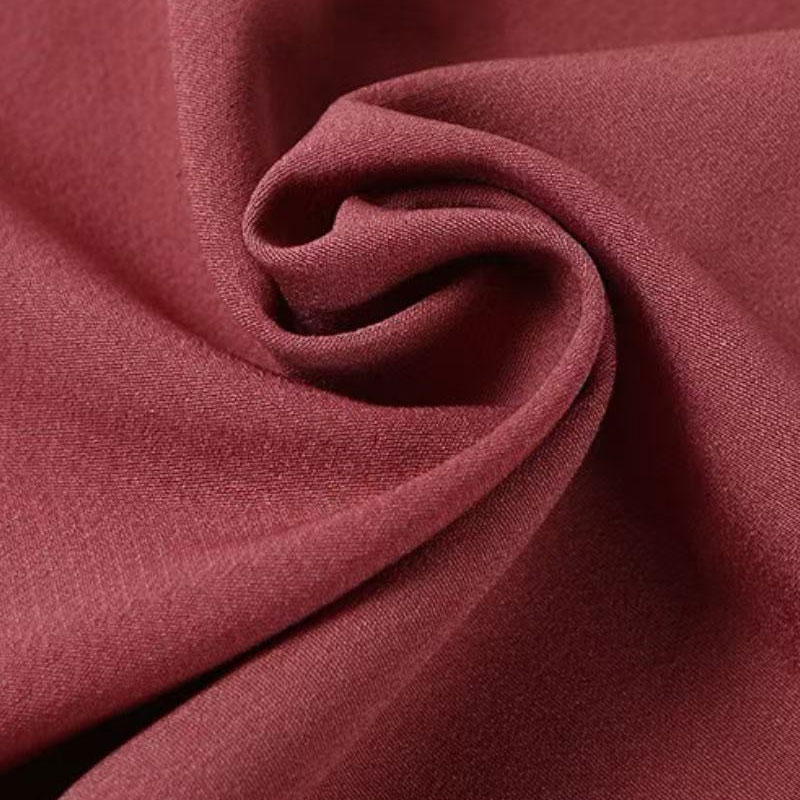
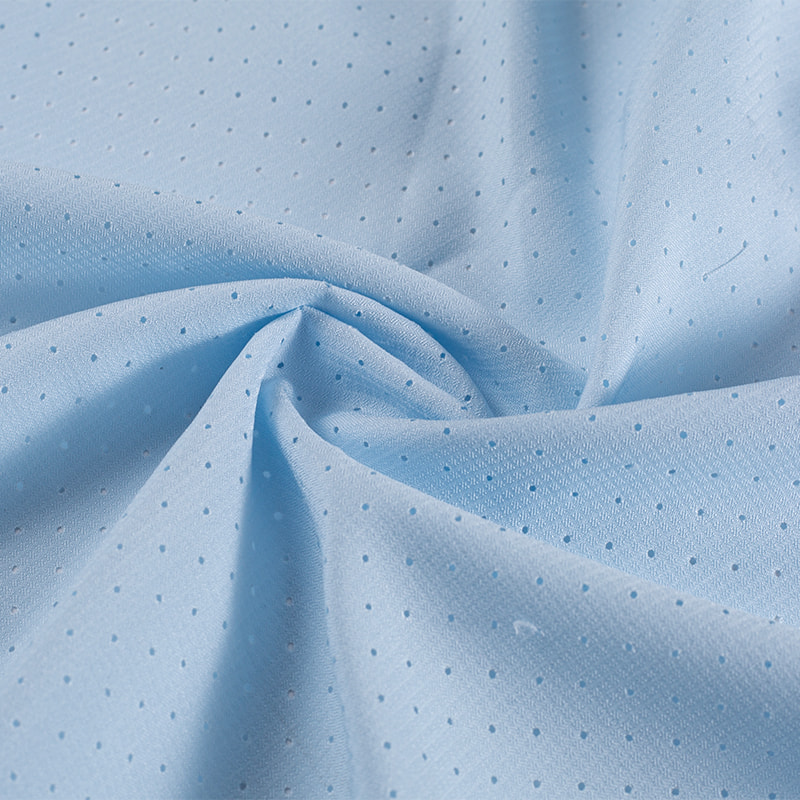
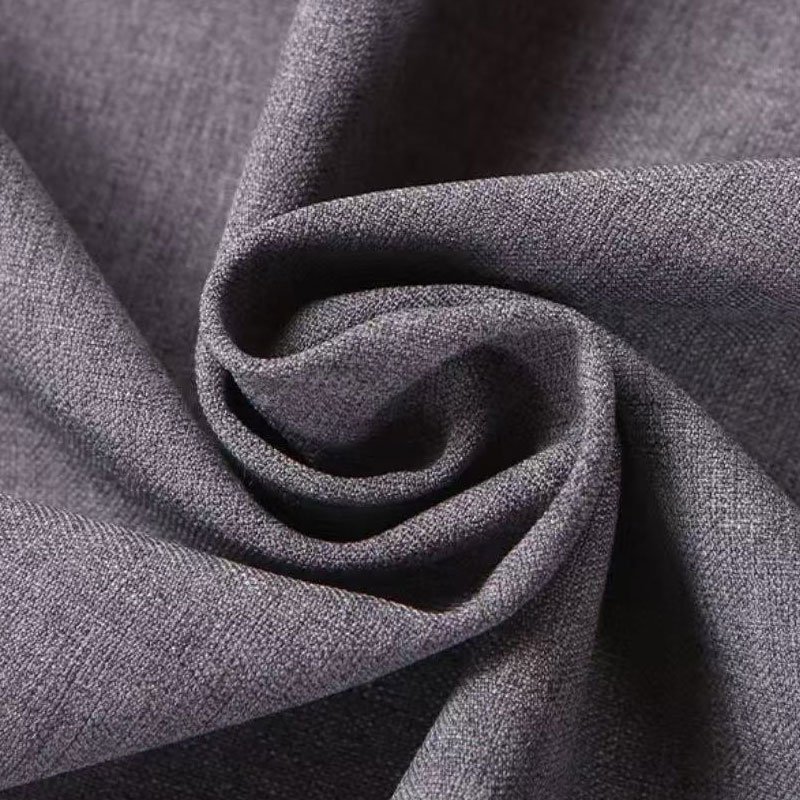
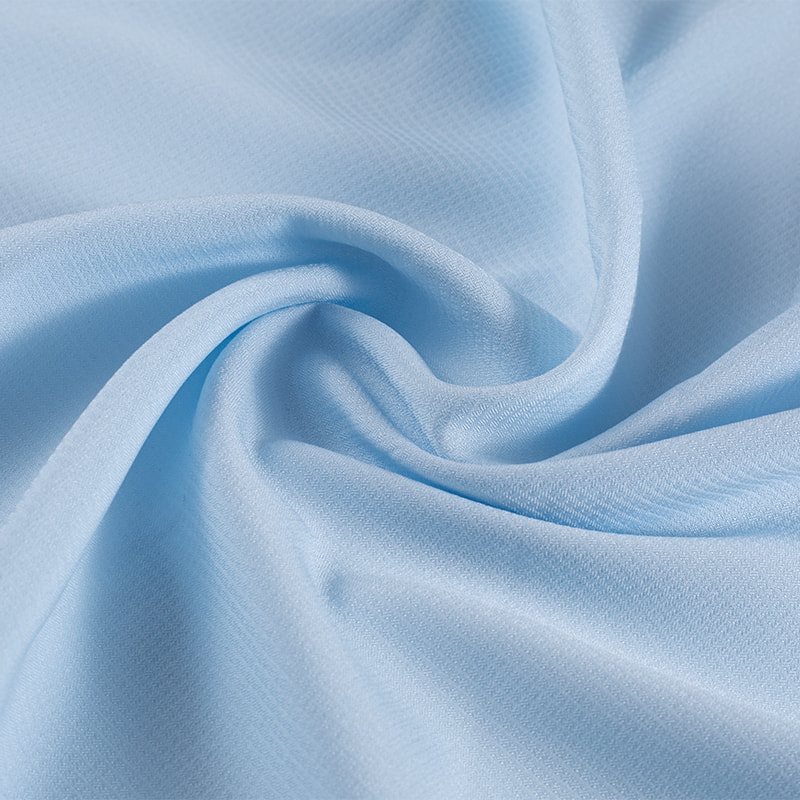
Recycled polyester fabric is a textile material produced from post-consumer PET bottles and industrial polyester waste. Through a mechanical or chemical recycling process, waste plastics are converted into high-quality textile fibers that match the performance of virgin polyester while significantly reducing environmental impact.
As sustainability becomes a non-negotiable requirement for apparel brands, recycled polyester fabric is rapidly becoming the standard choice for sportswear, outdoor gear, athleisure, and fashion collections worldwide.
What Is Recycled Polyester Fabric
Recycled polyester fabric is a sustainable textile made from post-consumer PET plastic bottles or post-industrial polyester waste. The recycling process transforms waste materials into high-quality polyester fibers through a multi-step production cycle:
PET bottles and polyester waste are collected, cleaned, and sorted by color and type to ensure consistent quality.
The sorted materials are shredded into flakes and melted into a polymer melt, which is then extruded into chips or pellets.
The polymer chips are melted again and extruded through spinnerets to create continuous filaments, which are drawn to align polymer chains for strength.
The recycled fibers are spun into yarn and woven or knitted into fabric, finished with the desired performance properties and color.
Key Features and Performance
Recycled polyester fabric offers performance comparable to virgin polyester while delivering substantial environmental benefits. The key features include:
Recycled polyester fibers offer high tensile strength and abrasion resistance, making them suitable for demanding applications from activewear to outdoor gear.
The fibers transport moisture away from the skin, keeping the wearer dry and comfortable during physical activity. This makes recycled polyester ideal for sportswear and athleisure.
The hydrophobic nature of polyester allows fabrics to dry rapidly, reducing discomfort and maintaining thermal insulation during high-intensity exercise.
Recycled polyester fibers accept dyes readily and provide excellent colorfastness, ensuring that apparel maintains its appearance through multiple wash cycles.
Research indicates that recycled polyester can reduce carbon emissions by up to 30% compared to virgin polyester, with water consumption reduced by over 50%.
Recycled polyester fabrics can be recycled again at the end of their useful life, contributing to a circular economy and reducing textile waste in landfills.
Recycled vs Virgin Polyester
- Made from post-consumer PET bottles and post-industrial waste
- Reduces plastic waste and landfill burden
- Lower carbon footprint and energy consumption
- Reduces dependence on petroleum-based raw materials
- Meets sustainability goals without sacrificing performance
- Manufactured from virgin petroleum-based raw materials
- High energy consumption and carbon emissions
- Creates dependency on fossil fuel extraction
- Excellent performance with established manufacturing processes
- Falls short of sustainability and ESG requirements
Sustainability Impact
The environmental benefits of recycled polyester fabric are substantial and well-documented:
Every ton of recycled polyester fabric diverts approximately 25,000 PET plastic bottles from landfills and oceans, addressing the global plastic pollution crisis at its source.
Recycled polyester reduces petroleum consumption by up to 50% compared to virgin polyester, conserving finite natural resources for future generations.
Recycling polyester requires significantly less energy than producing virgin polyester from raw materials, reducing overall energy consumption by up to 40%.
Recycled polyester supports a closed-loop system where textiles can be recycled back into new fibers, reducing waste and creating a more sustainable apparel industry.
Applications
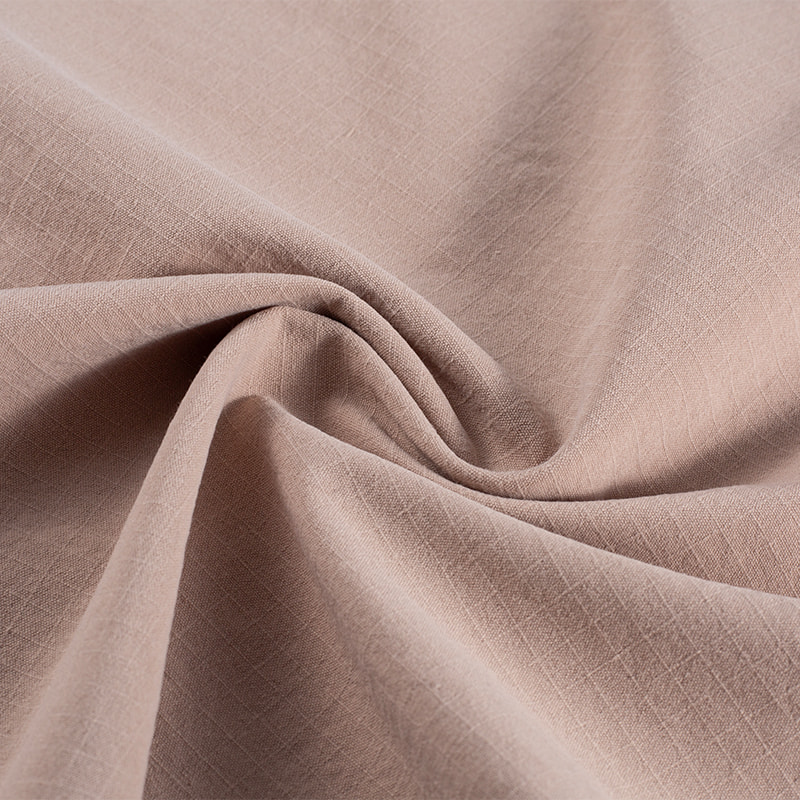
Recycled polyester fabric is a versatile material used across multiple product categories in the apparel and accessory industries:
Sportswear, running gear, and fitness apparel benefit from the moisture-wicking and quick-drying properties of recycled polyester fabric.
Jackets, backpacks, and camping equipment rely on the durability and weather resistance of recycled polyester.
Everyday casual wear combines style with the comfort and performance of recycled polyester blends.
Brands increasingly use recycled polyester in their collections to meet consumer demand for sustainable fashion.
Bags, hats, and accessories made from recycled polyester offer durability and a reduced environmental footprint.
Professional and industrial apparel benefits from the strength and resilience of recycled polyester fabrics.
Frequently Asked Questions
Yes. Recycled polyester fabric offers comparable strength, durability, moisture-wicking, and colorfastness to virgin polyester while delivering significant environmental benefits.
It is made by collecting, cleaning, and shredding PET plastic bottles and polyester waste, then melting and extruding the material into new fibers that are spun into yarn and woven or knitted into fabric.
Yes. Recycled polyester fabrics can be mechanically or chemically recycled at the end of their useful life, supporting a circular material flow.
Yes. Recycled polyester undergoes rigorous testing and is safe for skin contact. It meets international standards for harmful substances and is widely used in apparel, activewear, and accessories.
Common certifications include Global Recycled Standard (GRS), Recycled Claim Standard (RCS), and OEKO-TEX Standard 100.
Machine wash cold or warm with similar colors. Avoid high-temperature drying. Do not bleach or iron at high heat.
Looking for sustainable recycled polyester fabric for your brand?
We offer high-quality recycled polyester fabrics with consistent performance, certified sustainability, and reliable delivery for sportswear, outdoor gear, athleisure, and fashion applications.