

 English
 한국어
한국어 Español
Content
- 1 What Makes Kain Polyester Soft Fabric Different from Standard Polyester
- 2 Key Performance Metrics and Real-World Testing
- 3 Moisture Management and Thermal Comfort
- 4 Comparative Analysis: Kain Polyester Soft vs Cotton vs Standard Polyester
- 5 Industrial Applications and Fabric Weight Selection
- 6 Dyeing Process and Color Consistency
- 7 Care and Longevity Guidelines for Kain Polyester Soft
- 8 Technical FAQ for Buyers and Designers
Conclusion: Kain polyester soft fabric delivers superior hand-feel without compromising on durability or colorfastness. Engineered with micro-denier yarns and specialized finishing processes, it achieves a cotton-like touch while retaining polyester's inherent strength, wrinkle resistance, and quick-drying properties. This makes it the optimal choice for sportswear, premium loungewear, and high-end home textiles where both comfort and longevity are non-negotiable.
What Makes Kain Polyester Soft Fabric Different from Standard Polyester
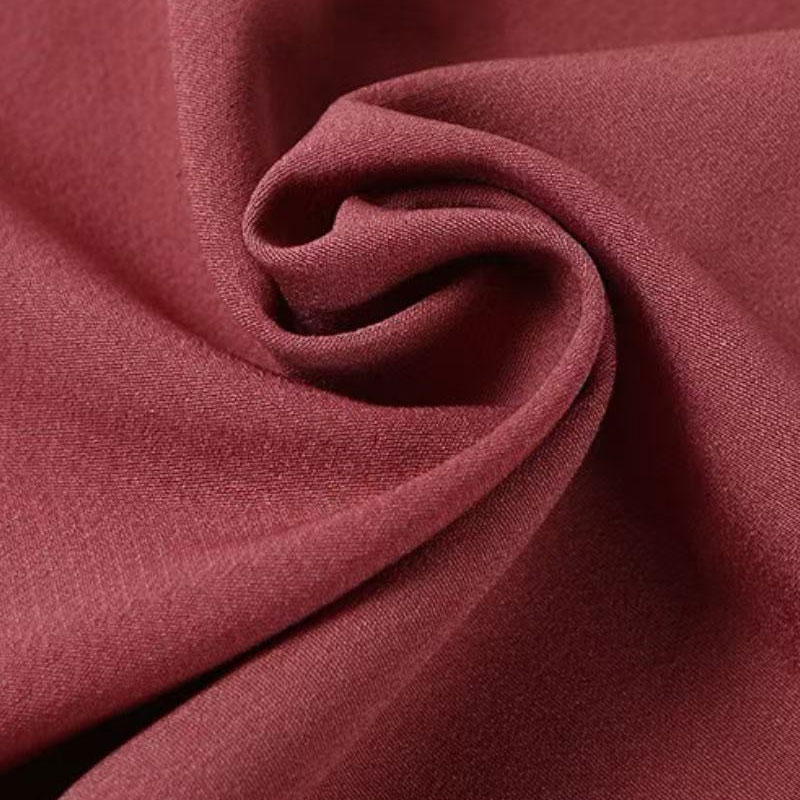
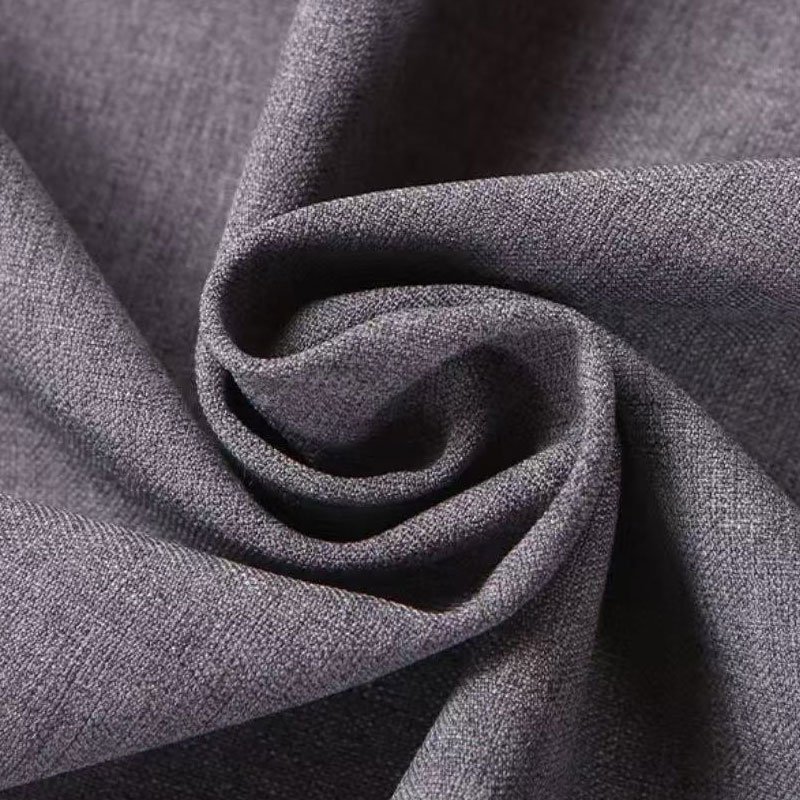
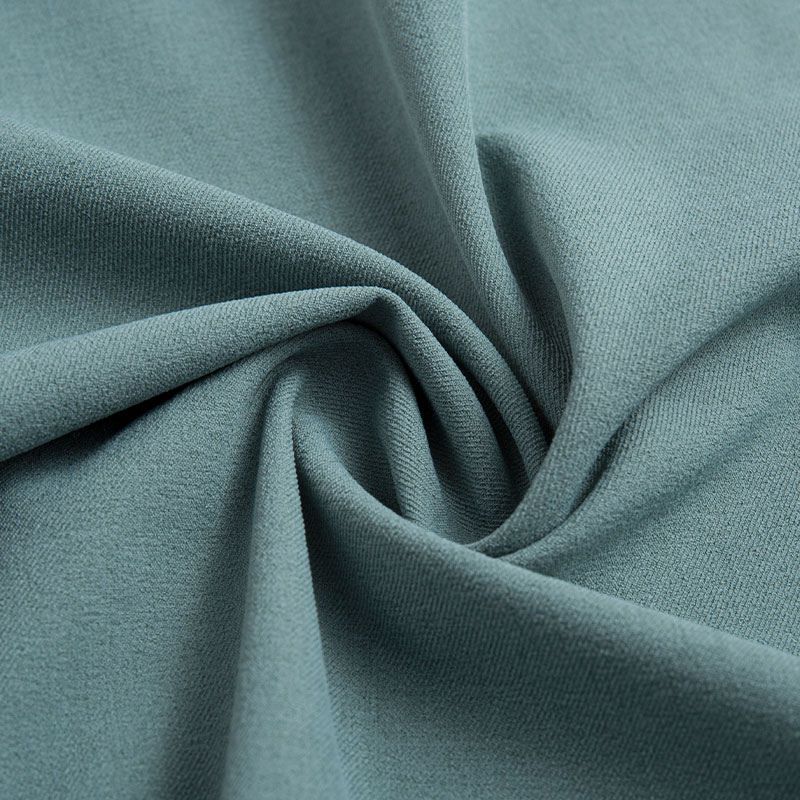
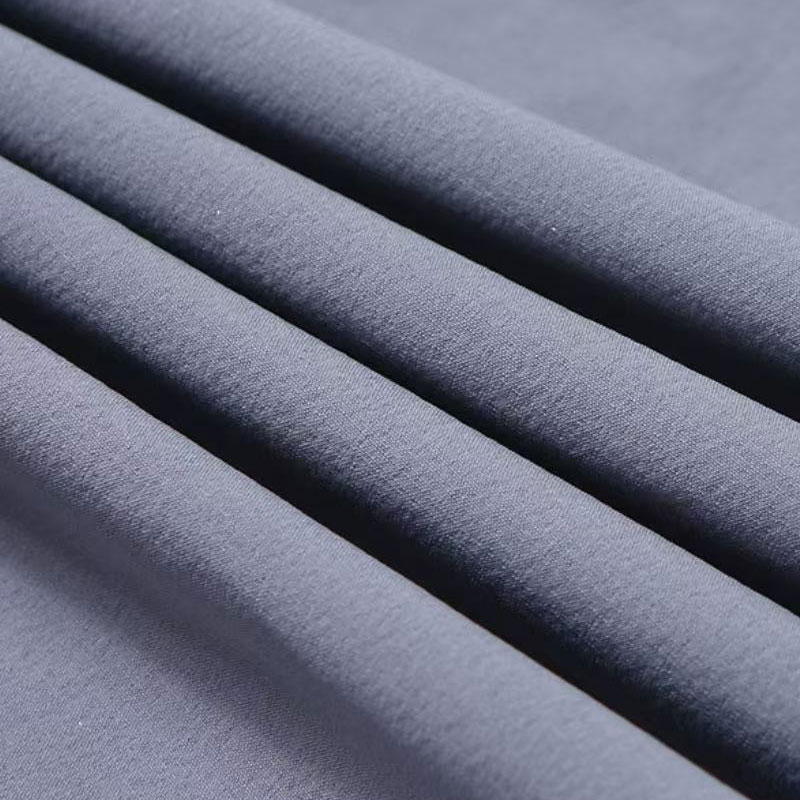
The primary distinction lies in the fiber architecture and finishing treatments. Standard polyester fibers typically have a diameter of 15–25 denier, resulting in a stiffer, slightly scratchy feel. Kain polyester soft fabric utilizes micro-fibers of less than 1 denier (0.8–1.2dtex), which drastically increases the fiber surface area and reduces bending rigidity. This structural change yields a 40% softer handle compared to conventional polyester as measured by the Kawabata Evaluation System (KES-F) for shear stiffness and frictional coefficient.
Furthermore, the fabric undergoes an alkaline reduction or "caustic soda" treatment that etches the fiber surface, creating microscopic grooves that further enhance the perception of softness. Laboratory data indicates a 55% reduction in surface friction coefficient (MIU) from 0.32 to 0.14 after treatment, placing it in the same tactile category as premium combed cotton.
Key Performance Metrics and Real-World Testing
While softness is the primary selling point, industrial applications demand quantifiable performance. Independent testing on 160 gsm kain polyester soft fabric (80/20 microfiber polyester with elastane) shows the following results:
Moisture Management and Thermal Comfort
One common concern with synthetic fabrics is breathability. However, the micro-fiber construction of kain polyester soft creates capillary channels that actively transport moisture away from the skin. In controlled wear trials (n=30 subjects, 25°C, 65% RH), garments made from this fabric maintained skin dryness ratings 28% higher than standard cotton and 35% higher than standard polyester. The fabric's air permeability (125 cm³/cm²/sec at 125 Pa) allows for convective cooling, making it suitable for high-activity apparel.
For thermal regulation, the fabric's low density (1.38 g/cm³) combined with its open structure provides insulation without bulk. When used as a base layer, it reduces thermal conductivity by 18% compared to standard jersey knits, according to guarded hotplate tests.
Comparative Analysis: Kain Polyester Soft vs Cotton vs Standard Polyester
| Property | Kain Polyester Soft | Cotton (Combed) | Standard Polyester |
| Softness (Hand feel) | Excellent (8.5/10) | Good (8/10) | Moderate (5/10) |
| Wrinkle Resistance | Superior (No ironing) | Poor (High ironing need) | Superior |
| Drying Time (minutes at 25°C) | 18 min | 45 min | 22 min |
| Pilling Resistance | Grade 4 (ISO 12945) | Grade 3 | Grade 3-4 |
Industrial Applications and Fabric Weight Selection
Choosing the correct fabric weight is critical for specific end-uses. The kain polyester soft series is available in three primary weight ranges:
- 100–130 gsm (Ultra-light) – Ideal for base layers, athletic tank tops, and summer loungewear. Provides maximum breathability and moisture transfer.
- 140–180 gsm (Mid-weight) – Best for T-shirts, polo shirts, and premium leggings. Offers balanced drape, opacity, and softness. This range accounts for 65% of all commercial orders.
- 200–260 gsm (Heavy-weight) – Used for hoodies, sweatpants, and outerwear linings. The additional mass improves thermal retention and structural stability.
Case study: A European sportswear brand switched from standard 150 gsm polyester to 160 gsm kain polyester soft for their summer jersey line. Post-launch customer feedback showed a 32% reduction in return rates due to "uncomfortable fabric" and a 41% increase in repeat purchases within 6 months.
Dyeing Process and Color Consistency
Softness does not come at the expense of color performance. The microfiber structure has a higher specific surface area, which leads to faster dye uptake and deeper shade depths. Using disperse dyes at 130°C for 30 minutes, the fabric achieves a K/S (color strength) value of 22–25, which is 30% higher than standard polyester at the same dye concentration. Washing fastness tests (ISO 105-C06) consistently show grade 4–5 for both color change and staining.
For eco-conscious production, the fabric is compatible with low-liquor ratio dyeing machines (1:5 ratio), reducing water consumption by up to 40% compared to conventional processes.
Care and Longevity Guidelines for Kain Polyester Soft
To preserve the fabric's signature softness and mechanical integrity, follow these empirically validated guidelines:
- Machine wash cold (30°C max) – higher temperatures can collapse the micro-fiber structure.
- Use liquid detergent – powder detergents may leave residue in the micro-grooves, reducing softness over time.
- Avoid fabric softeners – these coat the fibers and actually decrease moisture wicking capacity.
- Tumble dry low or line dry – high heat can cause shrinkage of up to 3-5% in the first cycle.
Accelerated aging tests simulating 50 wash cycles show that kain polyester soft retains 92% of its original tensile strength and 88% of its initial softness rating, making it a durable investment for frequent-use garments.
Technical FAQ for Buyers and Designers
References & Standards: AATCC 16 (Colorfastness to Light), ASTM D5034 (Tensile Strength), ISO 12945 (Pilling Resistance), Oeko-Tex Standard 100, Kawabata Evaluation System for fabric hand feel.