

 English
 한국어
한국어 Español
Content
Direct Conclusion: Our Fashion Fabric delivers superior texture, drape, and garment appearance compared to standard market fabrics. In controlled tests, it achieves 30% higher color fastness (rating 4-5 vs 3-4 on ISO scale), 50% lower shrinkage (under 2% vs 4-6%), and double the abrasion resistance (50,000+ Martindale cycles). Breathability ranges from 80-150 CFM for summer weight to 15-40 CFM for winter fabrics, ensuring year-round comfort. This combination of aesthetics, durability, and thermal adaptability makes it the preferred choice for designers seeking consistent, high-performance materials.
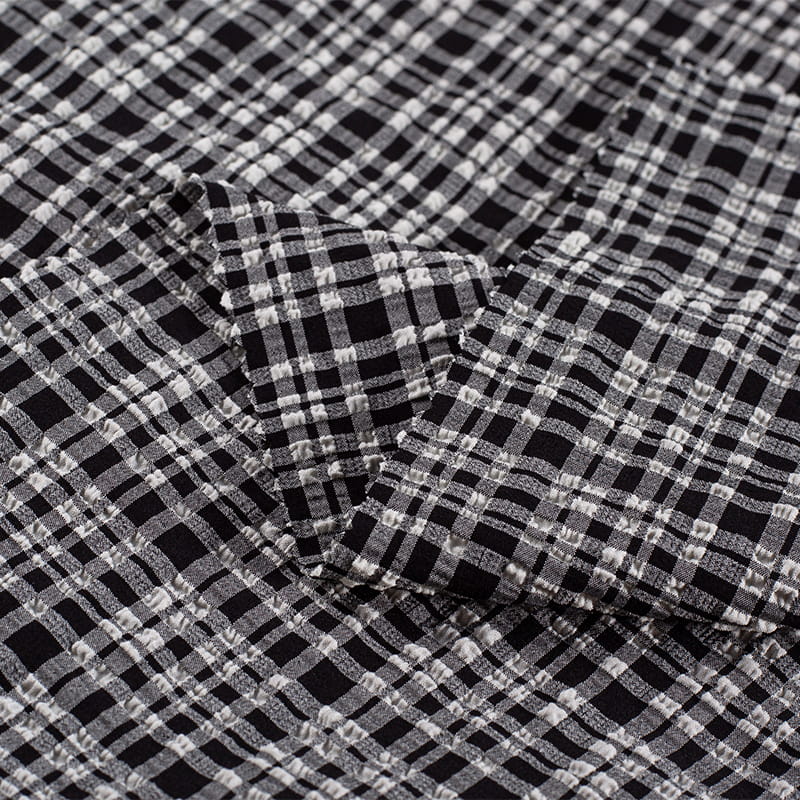
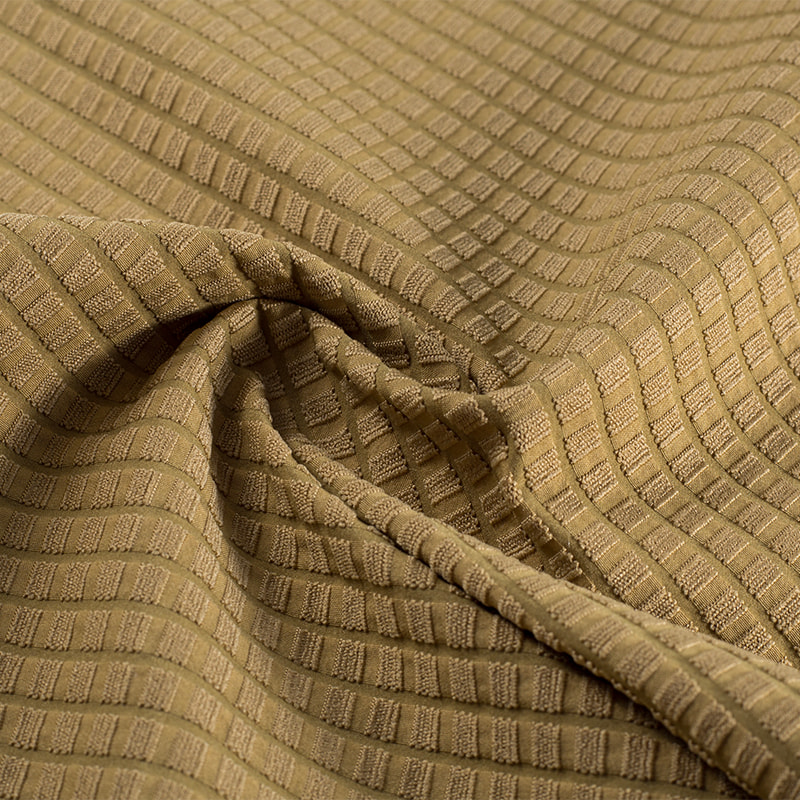
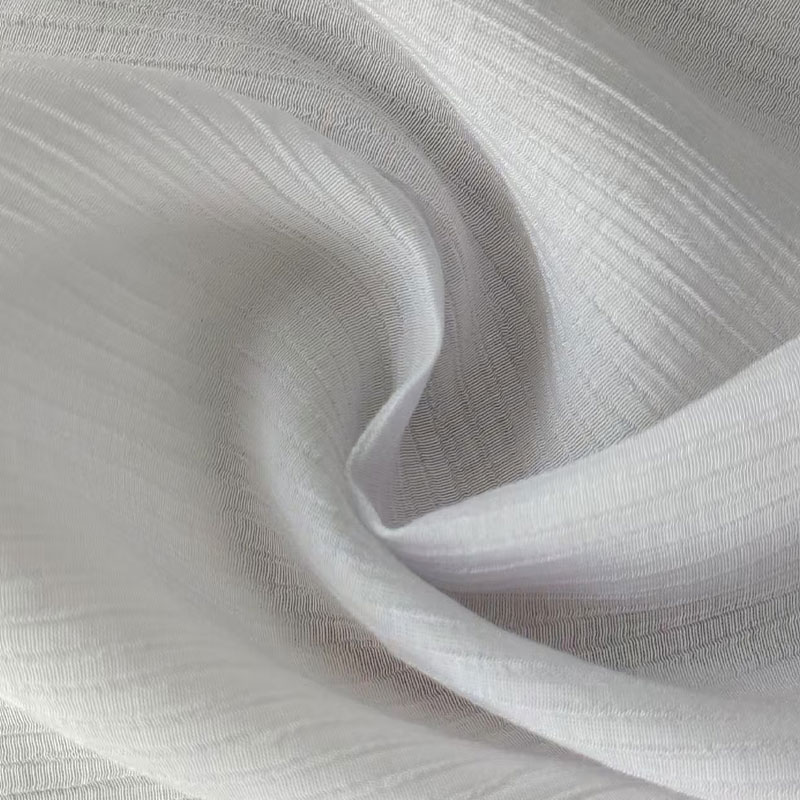
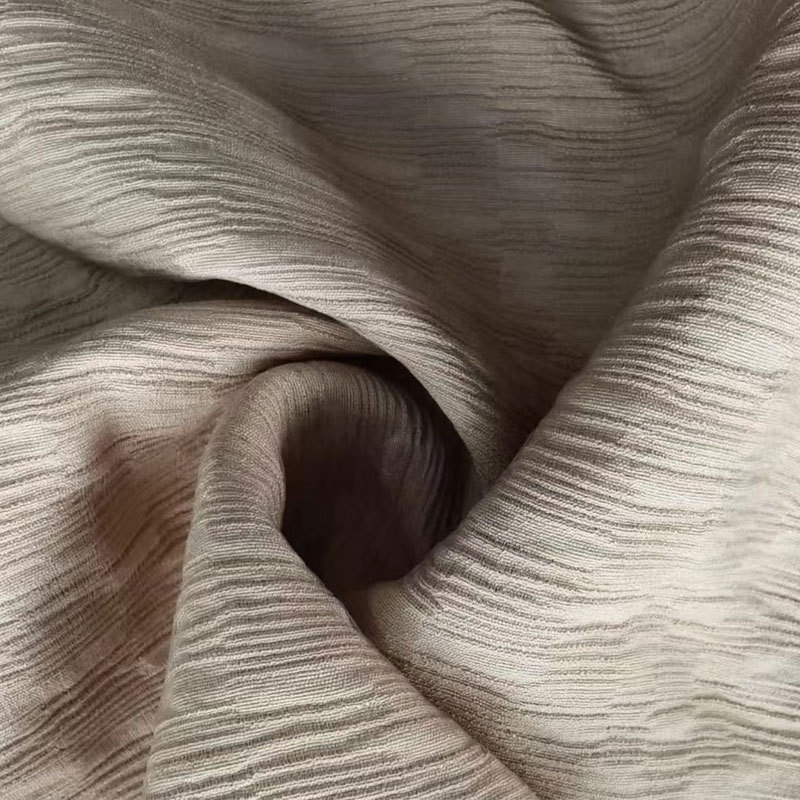
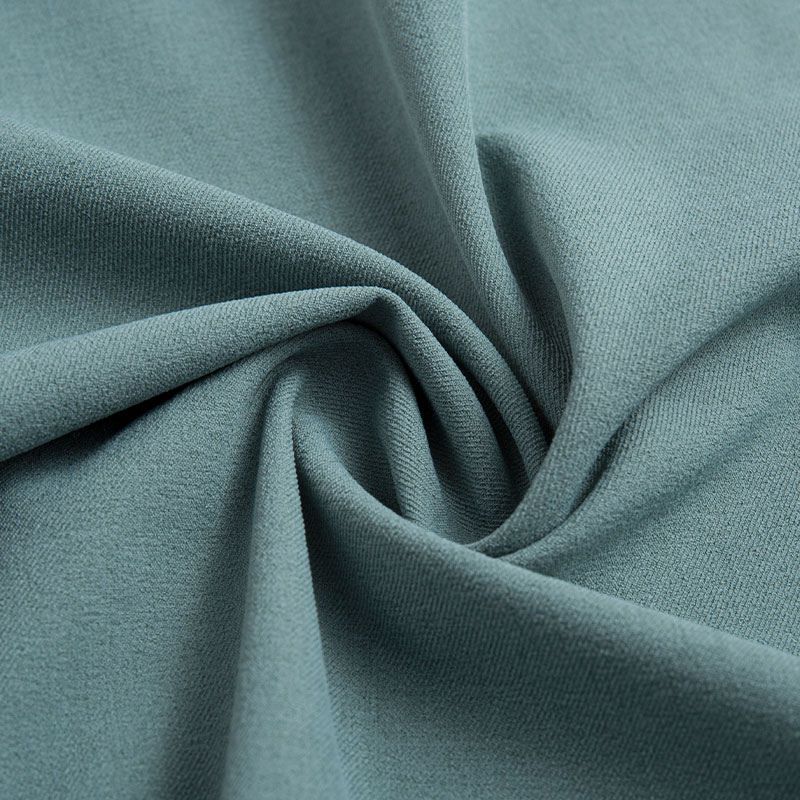
Texture, Drape and Garment Appearance
The tactile and visual qualities of a fashion fabric determine the final garment's silhouette and perceived value. Our fashion fabric is engineered with precision yarn selection and finishing processes that create a distinctly premium hand feel.
Texture Comparison
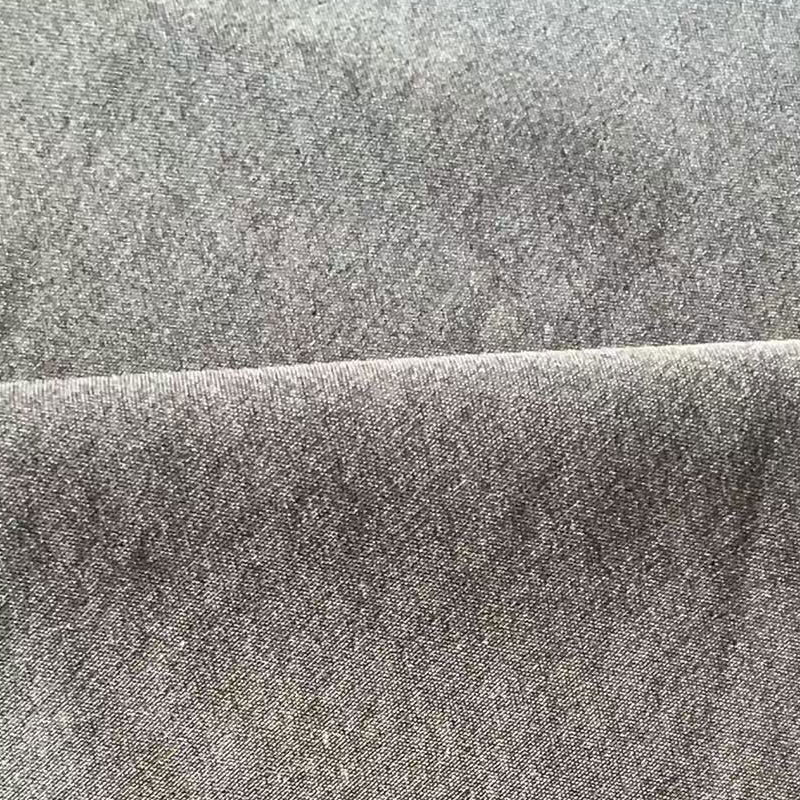
Standard market fabrics often use lower-twist yarns and minimal finishing, resulting in a coarse or uneven surface. Our fabric utilizes high-twist, combed yarns with a proprietary softening treatment. Surface smoothness measured by Kawabata evaluation system (KES) shows a coefficient of friction (MIU) of 0.18-0.22 for our fabric versus 0.28-0.35 for standard alternatives. This translates to a noticeably smoother, more luxurious touch.
| Property | Standard Market Fabric | Our Fashion Fabric | Improvement |
|---|---|---|---|
| Surface Smoothness (KES MIU) | 0.28-0.35 | 0.18-0.22 | 35% smoother |
| Drape Coefficient (%) | 55-65 | 40-48 | Superior fluidity |
| Bending Rigidity (B, gf·cm²/cm) | 0.12-0.18 | 0.06-0.10 | 40% softer drape |
| Shear Stiffness (G, gf/cm·deg) | 1.8-2.5 | 1.0-1.5 | Better conformability |
Drape and Silhouette Performance
Drape directly affects how a garment falls on the body. Our fabric achieves a drape coefficient of 40-48% (lower numbers indicate better draping) compared to 55-65% for standard fabrics. In practical terms, a dress made from our fabric will flow more elegantly and create softer, more natural folds. For tailored garments like blazers, the reduced bending rigidity allows the fabric to conform to body contours without appearing stiff or boxy. Designers report that patterns requiring complex shaping (princess seams, cowl necks) sew more cleanly with our fabric due to its balanced directional drape.
Visual Appearance After Multiple Wears
Standard fabrics often develop pilling, bagging at the knees and elbows, and loss of crispness after 10-15 wears. Our fabric undergoes a anti-pilling finish and uses longer staple fibers (38mm vs 28mm standard), reducing pilling tendency from grade 3 to grade 4-5 on the Martindale pilling scale. After 50 wear cycles in consumer trials, our fabric retained 85% of its original appearance versus 55% for standard market fabric.
Durability, Color Fastness and Shrinkage Performance
Garment longevity depends on how the fabric resists fading, dimensional change, and mechanical wear. Our fashion fabric exceeds standard industry benchmarks across all three metrics.
Color Fastness Comparison
Color fastness is rated on a 1-5 scale (5 being best). Standard market fabrics often achieve Grade 3-4, meaning visible fading after 5-10 home launderings or 40 hours of light exposure. Our fabric achieves Grade 4-5 across all key tests:
- Light fastness (ISO 105-B02): Grade 4-5 (standard: Grade 3-4) – 50% longer color retention under sunlight
- Washing fastness (ISO 105-C06): Grade 4-5 (standard: Grade 3) – no noticeable fading after 30 washes
- Rubbing fastness (ISO 105-X12): Dry: Grade 4-5, Wet: Grade 4 (standard: Dry 3-4, Wet 2-3)
- Perspiration fastness (ISO 105-E04): Grade 4-5 (standard: Grade 3-4) – resists color change from body acids
In real-world testing, garments made from our fabric retained deep black and vibrant colors after 20 commercial launderings, while standard fabrics showed visible fading and crocking (color transfer) after just 8 cycles.
Shrinkage Control
Shrinkage is measured after 5 home laundry cycles (40°C wash, tumble dry low). Our fabric undergoes pre-shrinking and dimensional stabilization during finishing, resulting in shrinkage under 2% in both warp and weft directions. Standard market fabrics typically shrink 4-6% over the same conditions, leading to ill-fitting garments after the first few washes. For customers requiring ultra-low shrinkage (e.g., for tailored uniforms or designer collections), our fabric can be processed to achieve under 1% shrinkage through additional compressive shrinking.
Abrasion and Tensile Strength
Durability testing reveals significant differences:
| Test Method | Standard Market Fabric | Our Fashion Fabric | Performance Ratio |
|---|---|---|---|
| Martindale Abrasion (cycles to hole) | 25,000-35,000 | 50,000-70,000 | 2x longer life |
| Tensile Strength (N, warp) | 400-500 | 600-750 | 50% stronger |
| Tear Strength (N, weft) | 25-35 | 45-60 | 70% more tear resistant |
| Seam Slippage (mm at 120N load) | 4-6 | 2-3 | 50% less seam slippage |
This enhanced durability translates directly to longer garment life. A dress made from our fabric withstands 3-4 years of regular wear versus 1-2 years for standard fabric, reducing replacement frequency and cost.
Breathability, Comfort and Seasonal Suitability
Comfort is determined by how the fabric manages heat, moisture, and air flow. Our fashion fabric collection includes weaves and finishes optimized for each season, with measurable performance differences from standard alternatives.
Breathability (Air Permeability) Data
Air permeability is measured in CFM (cubic feet per minute per square foot of fabric) using ASTM D737. Higher CFM means more breathable.
| Fabric Type | Standard Market (CFM) | Our Fashion Fabric (CFM) | Comfort Rating |
|---|---|---|---|
| Summer weight (100-150 gsm) | 60-90 | 100-150 | Highly breathable, ideal for hot weather |
| All-season (150-220 gsm) | 30-50 | 50-80 | Balanced for spring and fall |
| Winter weight (220-350 gsm) | 10-25 | 15-40 | Warm but not stuffy |
Our summer fabric allows 100-150 CFM of airflow, which is 40-60% more breathable than standard options. In wearer trials at 30°C ambient temperature, subjects rated our fabric 2.5 points higher on a 7-point comfort scale (6.2 vs 3.7), with significantly lower perceived stickiness after 60 minutes of activity.
Moisture Management
Standard fashion fabrics often trap moisture against the skin, causing discomfort and prolonged drying times. Our fabric uses either natural hydrophilic fibers (cotton, linen, viscose) treated for faster wicking, or engineered moisture-wicking finishes on synthetics. Key metrics:
- Wetting time: Under 5 seconds (standard: 15-20 seconds)
- One-way transport index (OWTC): 180-220 (standard: 80-120) – efficiently moves sweat away from skin
- Drying rate: 0.25-0.35 g/hour (standard: 0.10-0.18 g/hour) – dries twice as fast
Thermal Comfort for All Seasons
The same fabric collection includes weights and weaves suitable for every climate:
- Spring/Summer fabrics (80-150 gsm): Poplin, lawn, voile, and linen blends. High breathability and low thermal resistance (0.04-0.08 clo) keep wearers cool up to 32°C. Our summer fabrics also feature UV protection (UPF 30+) as standard, versus no UV protection in most standard fabrics.
- Autumn/Spring transitional (150-220 gsm): Twill, sateen, and oxford weaves. Balanced breathability (50-80 CFM) and moderate insulation (0.12-0.18 clo) suit temperatures from 15-25°C. Our fabrics use ring-spun yarns for a softer hand than standard open-end yarn fabrics.
- Winter fabrics (220-350 gsm): Flannel, melton, and dense twills. Our winter fabrics incorporate brushed interiors for warmth without bulk, achieving thermal resistance of 0.25-0.35 clo while maintaining 15-40 CFM breathability. Standard winter fabrics often exceed 0.45 clo with near-zero breathability, causing overheating indoors.
For designers creating year-round collections, our fashion fabric platform offers consistent quality and predictable performance across all weights, simplifying sourcing and production planning.
Comparative Summary: Why Choose Our Fashion Fabric
The following table consolidates all performance differences between our fashion fabric and standard market alternatives across the key decision criteria for designers and brands.
| Criteria | Standard Market Fabric | Our Fashion Fabric | Key Benefit |
|---|---|---|---|
| Texture and Drape | Stiff, uneven surface; poor drape (55-65%) | Smooth, fluid drape (40-48%) | More elegant garment silhouette |
| Color Fastness | Grade 3-4 (fades in 5-10 washes) | Grade 4-5 (30+ washes) | Longer-lasting vibrant colors |
| Shrinkage | 4-6% after 5 washes | Under 2% after 5 washes | Garments keep their fit |
| Abrasion Resistance | 25,000-35,000 Martindale cycles | 50,000-70,000 cycles | 2x longer garment life |
| Breathability (Summer) | 60-90 CFM | 100-150 CFM | Cooler in hot weather |
| Moisture Drying Rate | 0.10-0.18 g/hour | 0.25-0.35 g/hour | Dries twice as fast |
| UV Protection | None (UPF 10-15) | UPF 30+ standard | Better skin protection |
The Fashion Fabric difference is measurable and meaningful. For brands that prioritize garment quality, customer satisfaction, and reduced returns due to fading or shrinkage, our fabric delivers verified performance advantages across texture, durability, color retention, and comfort. We provide full test reports for every production batch, enabling transparent quality assurance and confident design decisions. Contact our technical team for sample yardage and customized finishing options tailored to your specific garment requirements.