

 English
 한국어
한국어 Español
Content
- 1 What Exactly Are Hiking Leisure Fabrics?
- 2 The Science of Staying Dry: Moisture Management
- 3 Why Fabric Choice Matters More Than You Think
- 4 Decoding the Layering System
- 5 Comparing Natural vs. Synthetic Fabrics
- 6 Sun Protection: An Often Overlooked Performance Feature
- 7 What Not to Wear: Common Mistakes to Avoid
- 8 Practical Context: How to Choose Your Hiking Wardrobe
- 9 Expert Tips for Long-Lasting Hiking Gear
- 10 Conclusion: Your Comfort is Engineered
- 11 Frequently Asked Questions
When the trail calls, the right clothing can be the difference between a memorable summit and a miserable slog. At the heart of every comfortable hiking experience lies a critical yet often overlooked factor: the fabric against your skin. This deep dive into the world of hiking leisure fabrics explores the science, selection, and surprising secrets behind the materials that keep outdoor enthusiasts comfortable, protected, and focused on the journey ahead.
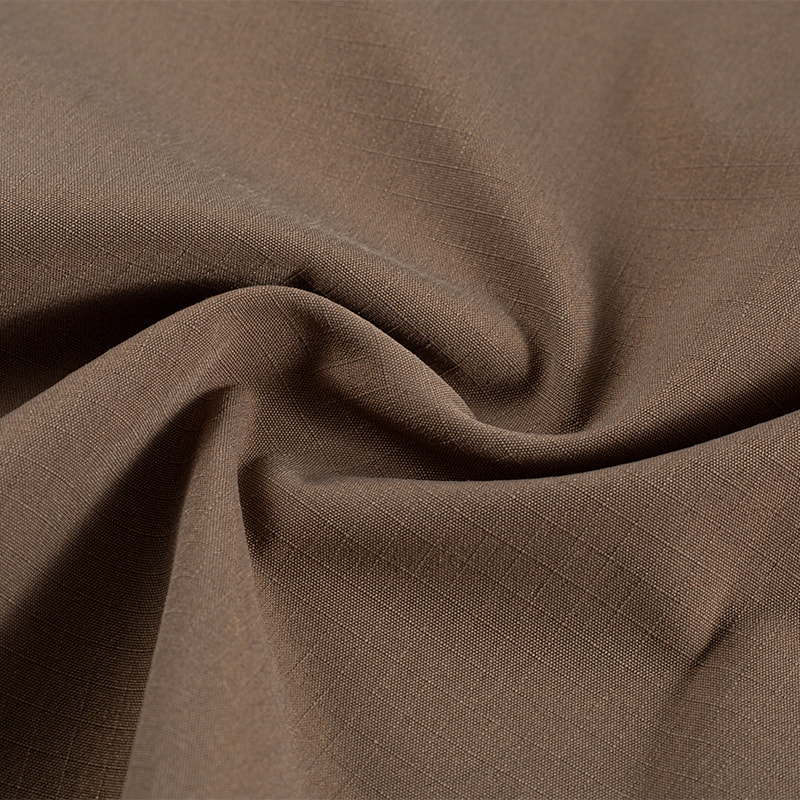
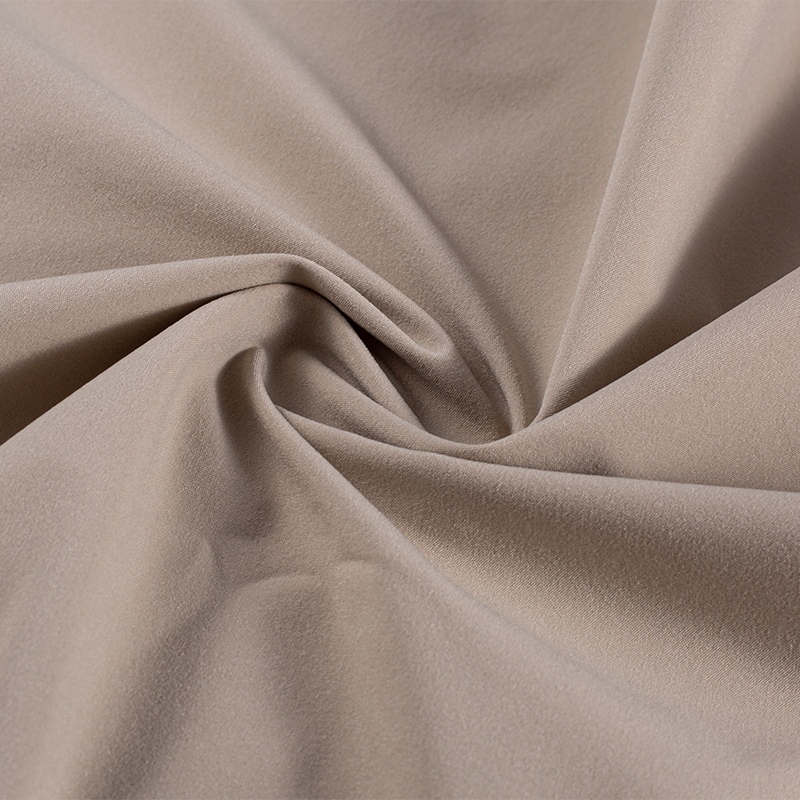
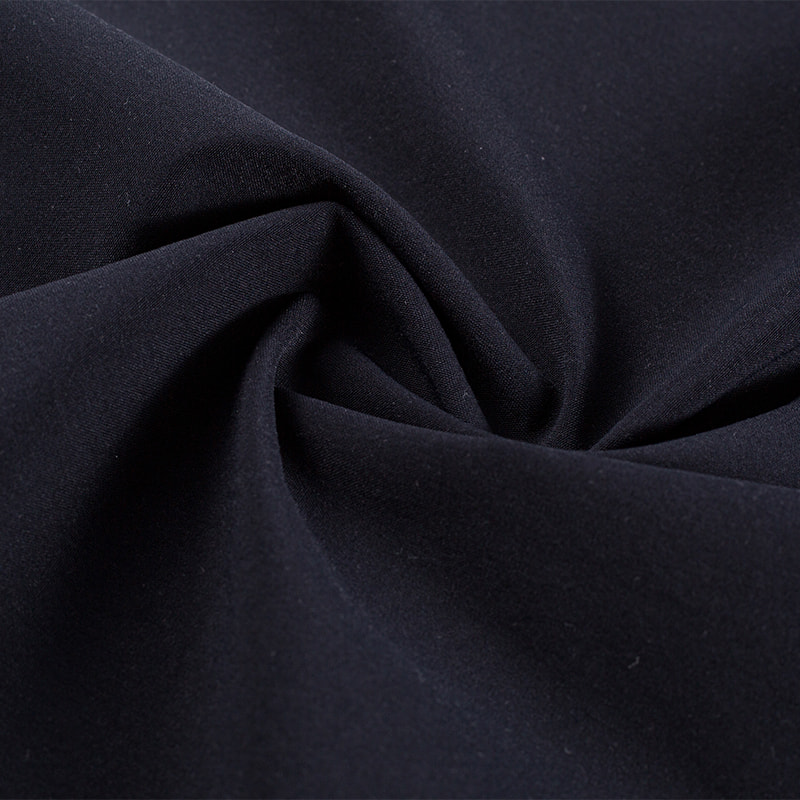
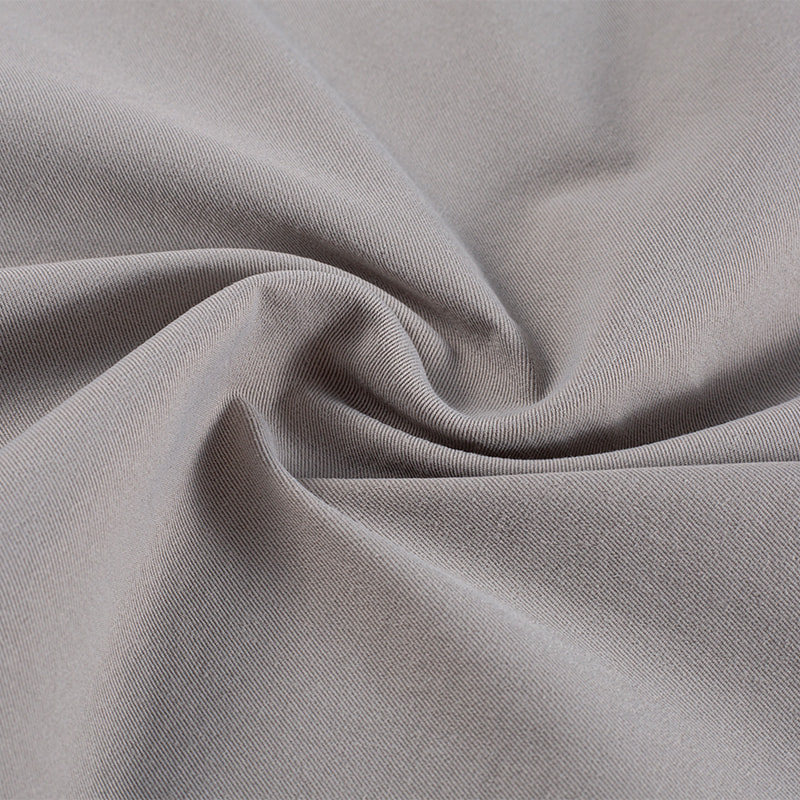
Hiking Leisure Fabrics represent a fascinating intersection of material science and consumer comfort. They are engineered textiles designed to manage moisture, regulate temperature, and withstand the rigors of outdoor use, offering a perfect balance of performance and casual wearability. As we explore these fabrics, we'll uncover what makes a garment trail-worthy and how to build a hiking wardrobe that works as hard as you do.
What Exactly Are Hiking Leisure Fabrics?
At its core, a hiking leisure fabric is any textile engineered specifically for the dual demands of outdoor activity and everyday comfort. Unlike traditional casual wear, these fabrics are designed with active lifestyles in mind, prioritizing performance features like moisture-wicking, breathability, and durability without sacrificing the comfort needed for a day on the trail or relaxing at camp.
Think of them as your body's first line of defense against the elements. Whether it's the blistering sun, a sudden downpour, or a chilling wind, the right fabric layer helps create a stable microclimate around your skin, allowing you to push your limits without being held back by discomfort.
The Science of Staying Dry: Moisture Management
The single most crucial function of a hiking leisure fabric is its ability to manage moisture. This is where the concept of "wicking" comes into play. Wicking is the fabric's capillary action, drawing sweat away from the skin and spreading it over a larger surface area, where it can evaporate more quickly.
This process is vital because wet skin loses heat much faster than dry skin, leading to a dangerous drop in body temperature when you stop moving. Conversely, in hot weather, the evaporation of sweat is your body's primary cooling mechanism. Fabrics that trap moisture against the skin impede this natural cooling process, making you feel hotter and stickier.
Key Fabric Technologies
| Fabric Type | Primary Function | Best Use Case |
|---|---|---|
| Recycled Polyester | Moisture Wicking, Durability | Warm-weather base layers and midlayers |
| Merino Wool | Temperature Regulation, Odor Resistance | Versatile base layers for all seasons |
| Tencel™ Lyocell | Softness, Breathability | Comfort-focused casual hiking tops |
| Synthetic Insulation | Warmth even when wet, Quick-drying | Insulating midlayers for damp weather |
| Down | Exceptional Warmth-to-Weight Ratio | Packable insulation for cold, dry conditions |
Why Fabric Choice Matters More Than You Think
It can be tempting to grab an old cotton t-shirt for a short hike, but this is a decision that can have serious consequences. While cotton is soft and comfortable in everyday life, it is considered one of the worst fabrics for outdoor activity. Cotton is hydrophilic, meaning it readily absorbs water and holds it against your skin. Once wet, it loses almost all its insulating properties, dries very slowly, and can rapidly lead to chafing and cold stress.
Decoding the Layering System
The most effective way to use hiking leisure fabrics is through the time-tested layering system. This approach allows you to adapt to changing activity levels and weather conditions by adding or removing layers.
Base Layer: The Foundation of Comfort
The base layer is the fabric that sits directly against your skin. Its primary job is to wick moisture away from your body to keep you dry. This layer should fit snugly but not too tight. Avoid cotton at all costs for this layer. The best materials for a base layer are synthetic fabrics like polyester, which wick well and dry quickly, or merino wool, which offers natural temperature regulation and odor resistance.
Mid Layer: The Insulating Blanket
The mid layer's purpose is to trap body heat and provide insulation. This is where fleeces, lightweight jackets, and vests come into play. Its goal is to hold warmth close while still allowing moisture vapor to escape to the outer layers. Fleece, made primarily from polyester, is a popular choice for its excellent warmth-to-weight ratio and quick-drying properties.
Shell Layer: Your Shield from the Storm
The outer shell is your defense against wind, rain, and snow. It must be both waterproof and breathable to prevent you from getting wet from the outside while allowing sweat vapor to escape from the inside. Shell jackets are typically made from nylon or polyester with a waterproof membrane and sealed seams for complete protection.
Key Takeaways
- Wicking is critical — moisture management prevents chafing and hypothermia.
- Layer up — base, mid, and shell layers work together to regulate temperature.
- Cotton is the enemy — it retains moisture and dries slowly, making it dangerous.
- UPF matters — sun protection is a key feature of many modern hiking fabrics.
- Blends are best — combining natural and synthetic fibers offers the best of both worlds.
Natural vs. Synthetic: Quick Look
| Feature | Merino | Polyester |
|---|---|---|
| Wicking | Good | Excellent |
| Odor Control | Excellent | Poor |
| Drying Speed | Slow | Fast |
| Warmth when wet | Good | Good |
What to Avoid
- Cotton: Absorbs sweat, dries slowly, causes chafing and cold.
- Denim: Heavy, restrictive, dangerously cold when wet.
- Flimsy footwear: No ankle support, poor traction.
Comparing Natural vs. Synthetic Fabrics
One of the most common debates in the outdoor world is the choice between natural and synthetic fibers. Each has its own set of advantages and trade-offs.
| Feature | Natural Fibers (Merino Wool, Linen) | Synthetic Fibers (Polyester, Nylon) |
|---|---|---|
| Moisture Wicking | Good (Merino), Poor (Linen, Cotton) | Excellent |
| Drying Speed | Slow to Moderate | Very Fast |
| Odor Resistance | Excellent (Merino) | Poor (absorbs body oils and bacteria) |
| Warmth When Wet | Good (Merino), Poor (Linen) | Good (Synthetics retain some insulation) |
| Durability & Abrasion Resistance | Moderate | High |
| Environmental Impact | Biodegradable, but some require high water use | Derived from petroleum, not biodegradable |
For a long time, the rule of thumb was to wear synthetics in wet, cold conditions where drying speed was critical, and merino wool in hot, dry conditions or for multi-day trips where odor control was a priority. However, new blends are emerging that combine the best of both worlds, such as a polyester/lyocell blend that offers excellent wicking with the softness of a natural fiber.
Sun Protection: An Often Overlooked Performance Feature
Sun protection is a critical safety feature of many modern hiking leisure fabrics. This is measured by the UPF (Ultraviolet Protection Factor) rating. A UPF of 30 means only 1/30th of UV radiation can penetrate the fabric, offering excellent protection.
Many lightweight, breathable hiking shirts now come with a UPF 40 or 50 rating, providing a reliable alternative to constantly reapplying sunscreen. However, it's important to note that there is a trade-off between a fabric's UPF rating and its breathability. A loose weave or thin fabric that allows air to pass through for cooling may also allow more UV radiation to reach the skin. Densely woven fabrics offer better protection but are less breathable. This is a key consideration when selecting hiking apparel for exposed trails.
What Not to Wear: Common Mistakes to Avoid
While knowing what to wear is essential, understanding what to avoid is equally important.
- Cotton: As mentioned, it absorbs sweat, dries slowly, and can lead to chafing and hypothermia. Leave the cotton tees for lounging.
- Denim: Jeans are heavy, stiff, and restrictive. When wet, they become incredibly heavy and cold, making them dangerously unsuitable for hiking.
- Flimsy Footwear: Sneakers without proper traction or open-toed shoes are a recipe for injury. You need the ankle support and grip of proper hiking footwear.
Practical Context: How to Choose Your Hiking Wardrobe
Choosing the right hiking leisure fabrics is not about picking one "best" material; it's about selecting the right tool for the job. The perfect outfit depends on the season, the local weather, and the physical demands of the trail.
For a Hot Summer Hike
In temperatures above 30°C (85°F), the priority is maximum breathability and sun protection. Light-colored, loose-fitting clothing made from materials like a lightweight polyester or a merino/tencel blend is ideal. These fabrics will wick sweat effectively, while a UPF-rated shirt can shield your skin from the sun. While not a typical "technical" fabric, linen has also gained a following for hot, dry climates due to its exceptional breathability, but it absorbs moisture and is slow to dry.
For Unpredictable Spring and Fall Weather
Shoulder seasons call for the full layering system. You'll want a moisture-wicking base layer, a breathable fleece or light puffy jacket for insulation, and a waterproof shell ready in your pack. A synthetic puffy jacket is often favored for these conditions because it retains warmth even when damp, unlike down.
For Cold Winter Conditions
When temperatures drop to 4°C (40°F) or below, your focus shifts to staying warm without overheating. A merino wool base layer provides excellent warmth and odor control, while a thicker fleece or a down jacket for your midlayer traps significant heat. A waterproof and breathable shell is your windproof fortress against the winter chill.
Expert Tips for Long-Lasting Hiking Gear
To get the most out of your hiking leisure fabrics, it's important to care for them properly. Here are a few tips to prolong the life of your gear:
- Wash with Care: Always follow the manufacturer's care instructions. Use a mild detergent and avoid fabric softeners, which can clog the pores of performance fabrics and ruin their wicking ability.
- Air Dry When Possible: While many synthetic fabrics are safe for tumble drying on low, air drying is often the gentlest option and helps preserve the fabric's elasticity and shape.
- Repair, Don't Replace: A small tear doesn't mean the end of a jacket or pair of pants. Many outdoor brands offer repair services, or you can use a gear repair patch to extend the life of your favorite pieces.
Conclusion: Your Comfort is Engineered
The world of hiking leisure fabrics is a testament to how far material engineering has come. These are not just pieces of clothing; they are sophisticated systems designed to work with your body, not against it. By understanding the science of moisture-wicking, the importance of layering, and the trade-offs between different materials, you can make informed choices that dramatically improve your comfort, safety, and enjoyment on the trail. The next time you gear up for a hike, take a moment to appreciate the technology that's quietly working to keep you dry, warm, and protected.
Frequently Asked Questions
What are the best fabrics for summer hiking apparel?
The best fabrics for summer hiking are lightweight, breathable, and quick-drying. Look for synthetic materials like polyester and nylon, which excel at wicking moisture. Merino wool is also a fantastic choice as it naturally regulates temperature and resists odor, even in hot weather. A good rule of thumb is to choose a fabric weight of around 100-170 gsm for merino base layers for optimal breathability. Avoid cotton at all costs.
What should you not wear hiking?
Avoid cotton and denim at all costs. Cotton soaks up sweat and stays wet, which can lead to chafing and dangerous cooling. Denim is heavy, restrictive, and dries very slowly. Also, skip flimsy footwear like fashion sneakers or sandals without proper support and traction.
How do you layer for hiking?
The classic three-layer system is the standard approach. Your base layer wicks moisture away from your skin. The mid layer traps heat to keep you warm. The outer shell protects you from wind, rain, and snow. You can add or remove layers to manage your temperature and activity level.
Why does fabric choice matter for hiking?
Fabric choice is critical for managing moisture and maintaining a stable body temperature. The right fabric wicks sweat away from your skin, preventing chafing and cold spots. It also helps regulate your temperature in both hot and cold conditions and provides sun protection. A bad fabric choice can lead to discomfort, blisters, and even hypothermia.
What are the key features to look for in hiking clothing?
The most important features are moisture-wicking ability, breathability, quick-drying properties, and durability. For sun-exposed trails, look for a UPF (Ultraviolet Protection Factor) rating. Other useful features include stretch for freedom of movement, flat-locked seams to reduce chafing, and strategic fabric layering for durability in high-wear areas.
Is linen good for hiking?
Linen can be an excellent choice for hiking in hot, dry climates due to its legendary breathability and lightweight feel. It allows for fantastic airflow, helping you stay cool when the heat is on. However, it does absorb moisture and takes a long time to dry, so it's not a good choice for wet or unpredictable conditions. It also generally doesn't provide high sun protection.