

 English
 한국어
한국어 Español
Content
Stretch satin fabric has become a staple in the fashion and textile industries due to its exceptional combination of elegance, comfort, and versatility. This fabric, which integrates stretchable fibers with the luxurious feel of satin, is commonly used in various high-end fashion applications, from wedding gowns to evening dresses. Known for its smooth texture, shimmering appearance, and ability to offer a perfect fit, stretch satin fabric is a popular choice for both designers and seamstresses looking to create stunning and comfortable garments.
What is Stretch Satin Fabric?
Definition and Composition
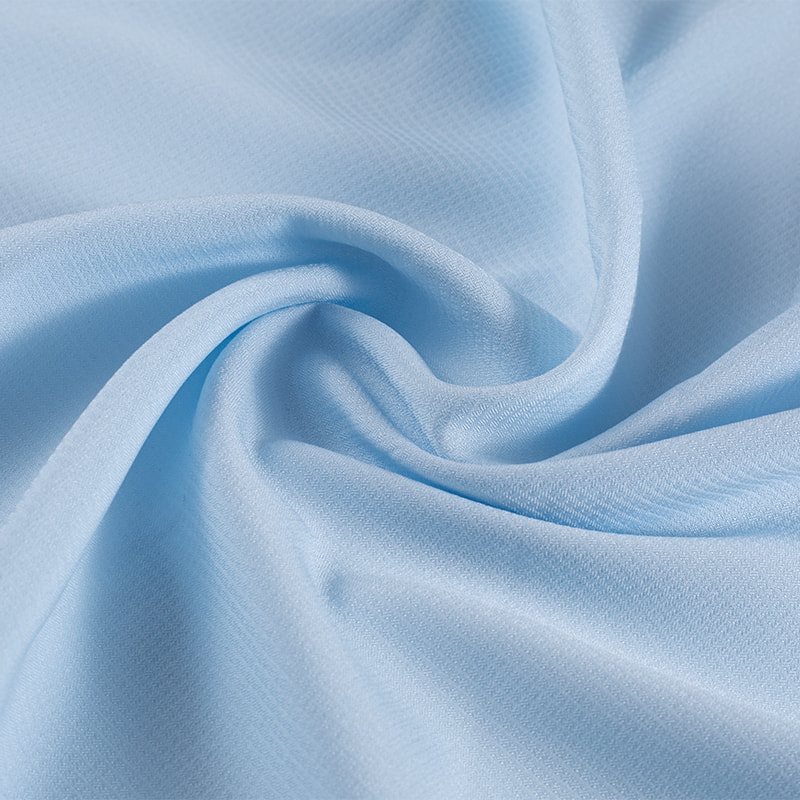
Stretch satin fabric is a luxurious textile characterized by its smooth, glossy finish and elasticity. It is made by combining satin weave with stretch fibers, typically incorporating materials such as polyester, nylon, or spandex. The result is a fabric that offers the same sleek, shiny surface as traditional satin, but with added flexibility and stretch.
The process of weaving stretch satin fabric involves intertwining the fibers in such a way that the fabric has a lustrous surface and a soft drape. The addition of stretch fibers allows the material to conform to the shape of the body, providing a more comfortable and figure-flattering fit compared to non-stretch satin fabrics.
Key Features of Stretch Satin Fabric
-
Elasticity: The primary distinguishing feature of stretch satin is its ability to stretch. Unlike regular satin, which remains rigid and holds its shape, stretch satin adapts to the body, making it ideal for form-fitting designs such as dresses, gowns, and even activewear.
-
Lustrous Appearance: Like traditional satin, stretch satin has a glossy surface that reflects light, giving garments a polished and sophisticated look. This sheen makes it a favorite choice for evening wear and formal occasions.
-
Comfort and Flexibility: The addition of spandex or elastane fibers makes stretch satin more breathable and easier to wear for extended periods. The fabric’s flexibility allows it to move with the body, ensuring both style and comfort.
-
Durability: Despite its delicate appearance, stretch satin fabric is relatively durable. It resists wrinkles, retains its shape, and is more likely to maintain its finish over time compared to regular satin fabrics.
Benefits of Stretch Satin Fabric
-
Versatility in Fashion: Stretch satin fabric is incredibly versatile and can be used for a wide range of fashion items. From structured evening gowns to fluid, flowing skirts, the fabric adapts to different styles and designs.
-
Elegant Draping: The smooth finish and natural sheen of stretch satin give garments a flattering, flowy drape. This characteristic makes it perfect for creating garments that require a graceful, elegant silhouette, such as ball gowns and cocktail dresses.
-
Comfort for Extended Wear: Unlike non-stretch satin, which can feel restrictive or uncomfortable over long periods, stretch satin offers comfort and flexibility, making it a popular choice for garments worn to formal events that last for hours, such as weddings or galas.
Applications of Stretch Satin Fabric in Fashion
Stretch Satin in Wedding Dresses
Stretch satin fabric has become a popular choice for bridal wear due to its luxurious feel and figure-hugging properties. Wedding gowns made from stretch satin often have a fitted bodice, accentuating the bride’s figure while providing comfort and flexibility. This fabric allows for beautiful draping and creates an elegant silhouette that flatters various body types.
When it comes to bridal designs, stretch satin can be used in various styles of wedding gowns, from sleek, modern dresses to more traditional ball gowns. The fabric’s slight elasticity provides the bride with greater freedom of movement, whether she is walking down the aisle or dancing at her reception.
Wedding Dress Fabric Choices
| Wedding Dress Style | Fabric Choices | Advantages | Recommended for |
|---|---|---|---|
| Fitted Bodice | Stretch Satin | Enhances body shape, comfortable fit | Ideal for evening weddings, slim fits |
| Ball Gown | Silk Satin, Taffeta | Luxurious, full-bodied drape | Traditional or large formal weddings |
| A-line Gown | Satin, Organza | Flattering, classic silhouette | Versatile for many wedding styles |
Stretch Satin in Evening Gowns
Stretch satin is often used in evening gowns and cocktail dresses due to its ability to provide both form and fluidity. The fabric’s sheen adds an element of glamour, making it a popular choice for red carpet events, gala dinners, and formal soirées. Designers love using stretch satin for evening wear because it combines sophistication with practicality, offering a luxurious finish without sacrificing comfort.
When designing an evening gown with stretch satin, the fabric’s elasticity allows for tailored, body-contouring shapes that flatter the wearer’s form while ensuring ease of movement. Stretch satin also drapes beautifully, which is especially important for creating elegant, floor-length gowns.
Comparison of Evening Gown Fabrics
| Fabric Type | Benefits | Drawbacks | Best Suited For |
|---|---|---|---|
| Stretch Satin | Glimmering sheen, flexible, comfortable | Can trap heat in warmer climates | Evening wear, cocktail dresses |
| Silk Satin | Luxurious, soft to the touch | Expensive, delicate to care for | Red carpet events, high-end fashion |
| Velvet | Plush, rich texture | Heavier and less breathable | Fall and winter evening wear |
Stretch Satin in Fashion Design
Beyond wedding and evening wear, stretch satin fabric is increasingly being used by fashion designers to create various other garments, including dresses, skirts, blouses, and even trousers. Its smooth surface and slight stretch make it an ideal choice for fashion-forward designs that require a sophisticated look with practical wearability.
Stretch Satin vs. Regular Satin
Difference in Characteristics
While both fabrics have a similar glossy, shiny appearance, the key difference lies in their elasticity. Regular satin fabric is often made from pure silk or polyester and lacks the stretch that is characteristic of stretch satin. This makes stretch satin much more adaptable to the body, offering a more fitted, flattering silhouette.
Regular satin is often stiffer and may not provide the same level of comfort, especially in more form-fitting designs. On the other hand, stretch satin, with its added spandex or elastane fibers, is more flexible and comfortable, making it a better choice for garments that require extended wear or movement.
Comparison of Stretch Satin vs. Regular Satin
| Characteristic | Stretch Satin | Regular Satin |
|---|---|---|
| Elasticity | High (contains spandex) | None or minimal |
| Comfort | More comfortable, flexible | Can feel restrictive or stiff |
| Durability | More durable, less prone to wrinkles | Less durable, can lose sheen over time |
| Use Cases | Wedding gowns, evening wear, activewear | Formal wear, luxury garments |
Care and Maintenance of Stretch Satin Fabric
Stretch satin fabric, with its luxurious feel and elegant appearance, requires special care to maintain its quality and appearance over time. While it is more durable than regular satin, the fabric still demands attention to ensure that it retains its sheen, elasticity, and smooth texture.
How to Clean Stretch Satin Fabric
Cleaning stretch satin fabric can be tricky, as it is a delicate material that can lose its shine and stretch properties if not handled properly. The cleaning method largely depends on the garment’s construction and the fiber content of the stretch satin.
-
Hand Wash vs. Machine Wash
- Hand Wash: The safest method for cleaning stretch satin fabric is hand washing, especially for garments with intricate designs or embellishments. Use cold water and a gentle detergent to avoid damaging the fibers or causing the fabric to lose its elasticity. Gently agitate the fabric by hand and rinse thoroughly.
- Machine Wash: If machine washing is necessary, place the garment inside a mesh laundry bag to protect it from friction. Use a gentle cycle with cold water and a mild detergent. Avoid using bleach or harsh chemicals that could compromise the fabric’s integrity. It’s important to wash the garment alone or with similar fabrics to prevent snags.
-
Drying Stretch Satin Fabric
Stretch satin fabric should never be tumble dried, as the heat can damage the fibers and cause them to lose their elasticity. Instead, air-dry garments by laying them flat on a clean, dry surface, or hang them on a padded hanger to maintain their shape. If needed, lightly steam the fabric to remove any wrinkles. -
Avoiding Fabric Damage
While stretch satin is more resilient than regular satin, it is still prone to damage if handled roughly. Avoid pulling or stretching the fabric excessively during washing or drying. Additionally, be mindful of snagging from jewelry, rough surfaces, or sharp objects.
Stretch Satin Fabric Care Tips
| Care Method | Recommended Approach | Advantages |
|---|---|---|
| Hand Wash | Use cold water, gentle detergent | Safest method to maintain texture and shine |
| Machine Wash | Use a mesh bag, gentle cycle, cold water | Convenient, less time-consuming |
| Air Dry | Lay flat or hang to dry | Prevents shrinkage and fabric damage |
| Ironing/Steaming | Use low heat and steam | Removes wrinkles without damaging the fabric |
How to Store Stretch Satin Fabric
Proper storage is crucial to maintaining the look and feel of stretch satin fabric. Because satin has a tendency to attract dust and dirt, it is essential to store garments made from this fabric in a clean, dry environment.
-
Hanging
When storing garments made from stretch satin, hang them in a closet with ample space to avoid creasing or crushing. Use padded hangers or wide, non-slip hangers to maintain the shape of the garment. If the fabric has a more delicate design, consider placing a garment bag over it to protect it from dust and moisture. -
Folding
If you need to fold stretch satin garments, do so carefully to avoid deep creases. Always fold along the natural seams of the fabric, and store it in a cool, dry place. Avoid hanging items for extended periods, as this could stretch the fabric out of shape. -
Storage Bags
Store garments made of stretch satin in breathable garment bags when not in use. This prevents the fabric from collecting dust while allowing air circulation to prevent any moisture buildup, which can cause mildew or fabric deterioration.
How to Choose the Right Stretch Satin Fabric
Choosing the right stretch satin fabric is essential for ensuring that your designs not only look great but also perform well. Stretch satin is available in a wide range of colors, weights, and finishes, so selecting the perfect fabric depends on the intended use and desired outcome of the garment.
Determine the Fabric Weight
Stretch satin fabric comes in different weights, which affects how it drapes and moves. The weight of the fabric plays a key role in its suitability for various types of garments.
-
Lightweight Stretch Satin: Ideal for flowing garments such as evening gowns, cocktail dresses, and tops. Lightweight stretch satin drapes beautifully and moves gracefully, making it a good choice for designs that require an elegant silhouette.
-
Medium Weight Stretch Satin: This weight is perfect for structured dresses, skirts, and jackets. It provides a balance between flexibility and structure, offering both comfort and shape.
-
Heavyweight Stretch Satin: Suitable for garments that require more structure, such as formal gowns, bridal wear, and outerwear. Heavyweight stretch satin holds its shape better and is less prone to wrinkles.
Fabric Composition and Fiber Content
The composition of stretch satin fabric determines its overall texture, sheen, and stretchability. Most stretch satins are made with a blend of polyester, spandex, and sometimes nylon. The higher the percentage of spandex or elastane, the greater the stretch and recovery of the fabric.
-
Polyester Stretch Satin: Polyester is the most common material used in stretch satin due to its durability, affordability, and ease of care. It also resists wrinkles and maintains its sheen for a longer time compared to other fibers.
-
Silk Stretch Satin: For high-end fashion, silk stretch satin is a luxurious choice. It has a rich, lustrous shine and a soft feel against the skin, making it perfect for couture and evening wear. However, it requires more delicate care than polyester.
-
Nylon Stretch Satin: Nylon offers additional durability and a smooth, glossy finish. It is often blended with polyester to create a more affordable, yet durable, stretch satin fabric.
Choosing the Right Stretch Satin Fabric Based on Use
| Garment Type | Ideal Fabric Weight | Best Fiber Content |
|---|---|---|
| Evening Gown | Lightweight or Medium | Polyester-Spandex Blend |
| Wedding Dress | Medium to Heavy | Silk Stretch Satin |
| Cocktail Dress | Lightweight | Polyester-Spandex Blend |
| Outerwear/Coats | Heavyweight | Polyester-Nylon Blend |
| Skirts and Tops | Medium to Lightweight | Polyester-Spandex or Silk |
Color and Finish
The color and finish of stretch satin fabric are also important considerations when choosing the material for a specific design. Stretch satin is available in a wide range of colors, from rich jewel tones to pastel shades, allowing designers to create various looks for different occasions.
-
Matte vs. Glossy Finish: While stretch satin is typically known for its glossy finish, some variations come in a matte version, which offers a more subtle, understated appearance. Choose the finish based on the overall aesthetic of your design.
-
Solid vs. Patterned: Stretch satin is available in both solid colors and patterned designs, such as floral prints, geometric patterns, and textured weaves. Solid colors are perfect for classic, elegant designs, while patterned fabrics can add interest and visual appeal to more contemporary looks.
Common Issues and How to Solve Them
Despite its numerous advantages, stretch satin fabric can present certain challenges during both design and wear. Knowing how to address these issues is important for ensuring that your garments retain their beauty and longevity.
Stretch Satin Fabric Losing Its Shine
One common issue with stretch satin is that, over time, the fabric may lose some of its natural shine. This can happen due to friction, exposure to sunlight, or improper cleaning methods.
How to Solve It
- Proper Cleaning: To maintain the fabric’s luster, avoid harsh detergents or bleach. Always wash stretch satin in cold water with a gentle detergent, and air dry it to prevent any heat damage.
- Avoid Over-Handling: The more the fabric is handled, the more likely it is to lose its sheen. Always store stretch satin garments in a way that prevents unnecessary friction and damage.
Fabric Snagging or Pulling
Because stretch satin is a smooth, glossy fabric, it can sometimes snag or get caught on sharp objects, jewelry, or rough surfaces. This can create unsightly pulls or tears in the fabric.
How to Solve It
- Be Cautious with Accessories: When wearing or handling stretch satin garments, be mindful of jewelry, belts, or other accessories that may cause snags. If you’re working with stretch satin in the studio, use tools that are fabric-friendly to avoid catching the material.
- Prevent Snags During Storage: Store garments made from stretch satin in a breathable garment bag to protect the fabric from snagging. Ensure that items are not stored in overcrowded spaces where they might rub against other rough fabrics.
Fabric Stretching Out of Shape
Although stretch satin fabric has elastic properties, it is still possible for it to lose its shape over time, especially if it is exposed to extreme heat or improper care.
How to Solve It
- Avoid Over-Stretching: Be mindful not to pull or stretch the fabric too much during wear or while washing. Always follow the fabric’s care instructions, and avoid using high heat on stretch satin to prevent it from losing its elasticity.
- Store Garments Properly: When storing garments made from stretch satin, avoid hanging them for extended periods, as this can cause the fabric to stretch out of shape. Instead, fold items carefully or hang them on padded hangers to preserve their fit.
Wrinkling of Stretch Satin Fabric
Like most fabrics, stretch satin can wrinkle, which is particularly evident in heavier garments such as evening gowns. Wrinkles can detract from the fabric’s smooth, polished appearance.
How to Solve It
- Use Steam: Instead of ironing, which can sometimes damage the fabric’s surface, use a steam iron or garment steamer to remove wrinkles. Hold the steamer a few inches away from the fabric to avoid direct contact, which could cause heat damage.
- Hang Garments Immediately: After wearing or washing stretch satin, hang the garments immediately to allow any minor wrinkles to naturally fall out. This helps keep the fabric smooth and prevents permanent creases.
Conclusion
Stretch satin fabric is a timeless and versatile material, beloved for its luxurious appearance and practical stretch properties. From wedding dresses to evening gowns, this fabric has proven its worth in high-fashion applications. However, it’s essential to understand its care requirements, potential issues, and how to select the right stretch satin for your designs.
Whether you’re a designer, seamstress, or fabric enthusiast, understanding the ins and outs of stretch satin fabric will allow you to make the best use of this stunning material. With the right knowledge and careful attention to detail, your stretch satin creations will continue to shine for years to come.